


Dental implants are a popular and effective solution for replacing missing teeth, offering a natural look and feel. However, when considering the procedure, one of the most common questions is whether they are painful. The truth is, the pain associated with them is often exaggerated due to myths surrounding the procedure.
Dental restorations offer a life-changing solution, whether you’re enjoying a park or grabbing a bite at Parkway Deli. It’s essential to understand what to expect during the procedure. At Maryland Family & General Dentistry – Silver Spring, we ensure that our patients feel at ease every step of the way. We provide exceptional care for those seeking dental implants in Silver Spring. In this blog, learn how modern dental technology has made the process more comfortable than ever before.
What Are Dental Implants?
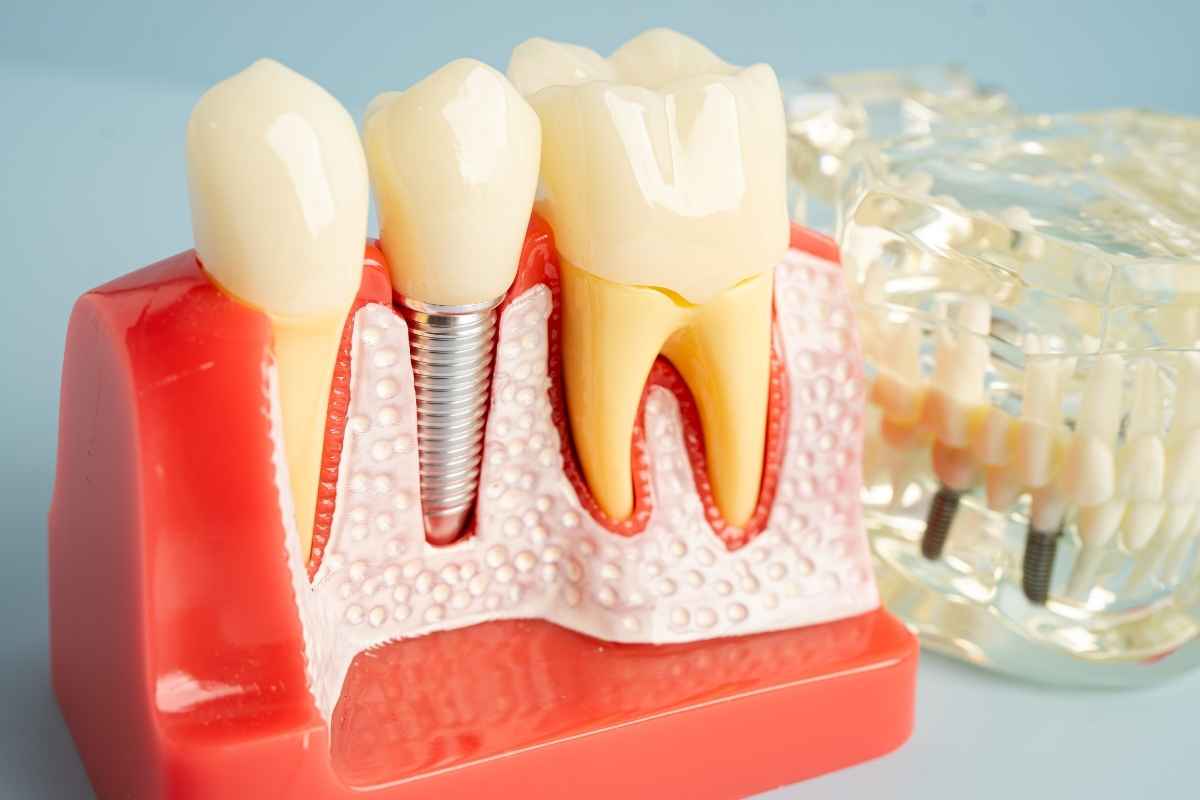
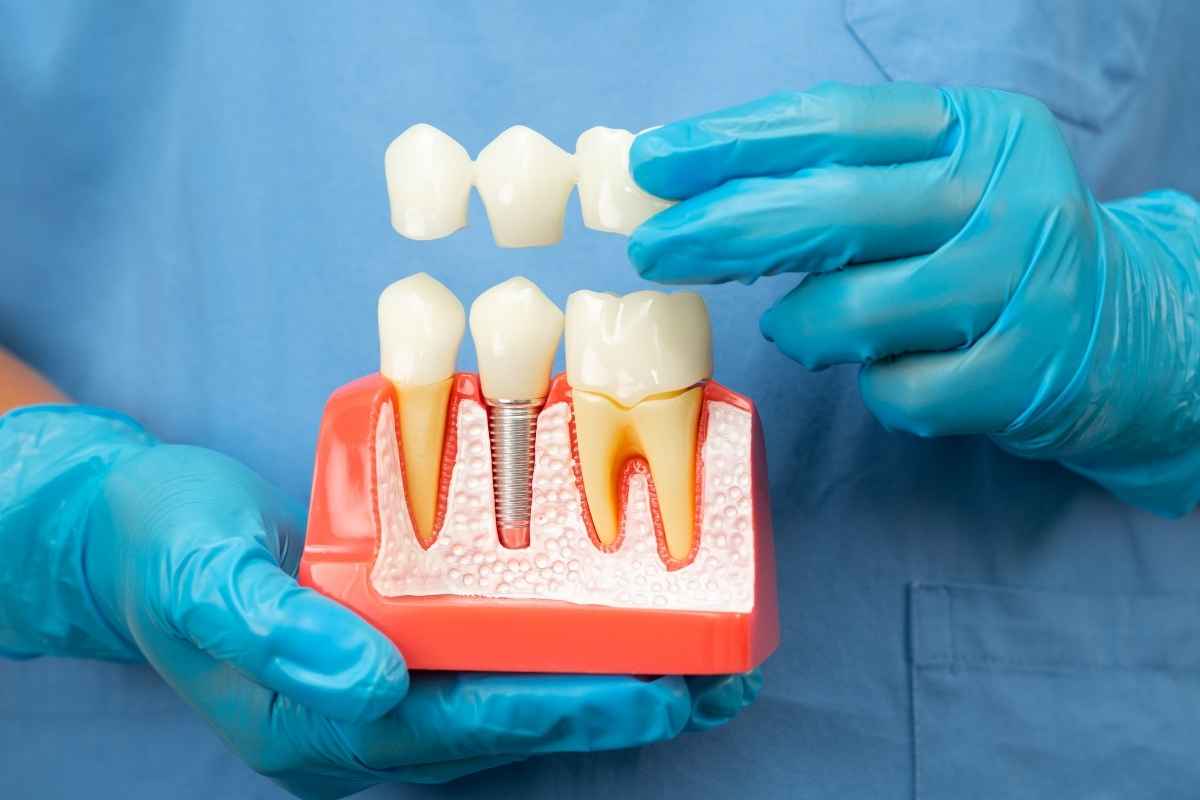
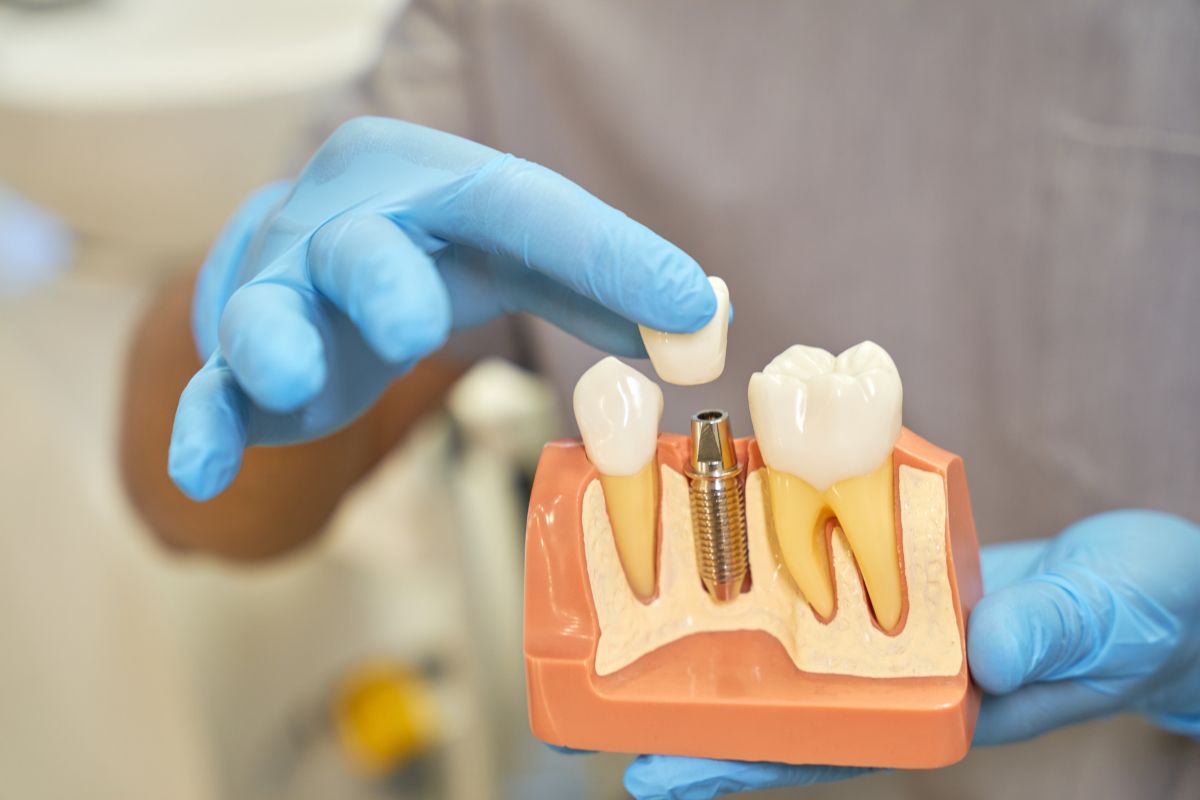
Before diving into pain management, it’s important to understand what dental restorations are and why they are such a reliable solution for missing teeth. They are artificial tooth roots that are surgically placed into your jawbone. These fixtures provide a stable foundation for replacement teeth or bridges.
The Process of Getting Dental Implants
Prosthetic teeth are a multi-step procedure that involves careful planning and healing. Here’s a brief breakdown of each step:
1. Consultation and Evaluation
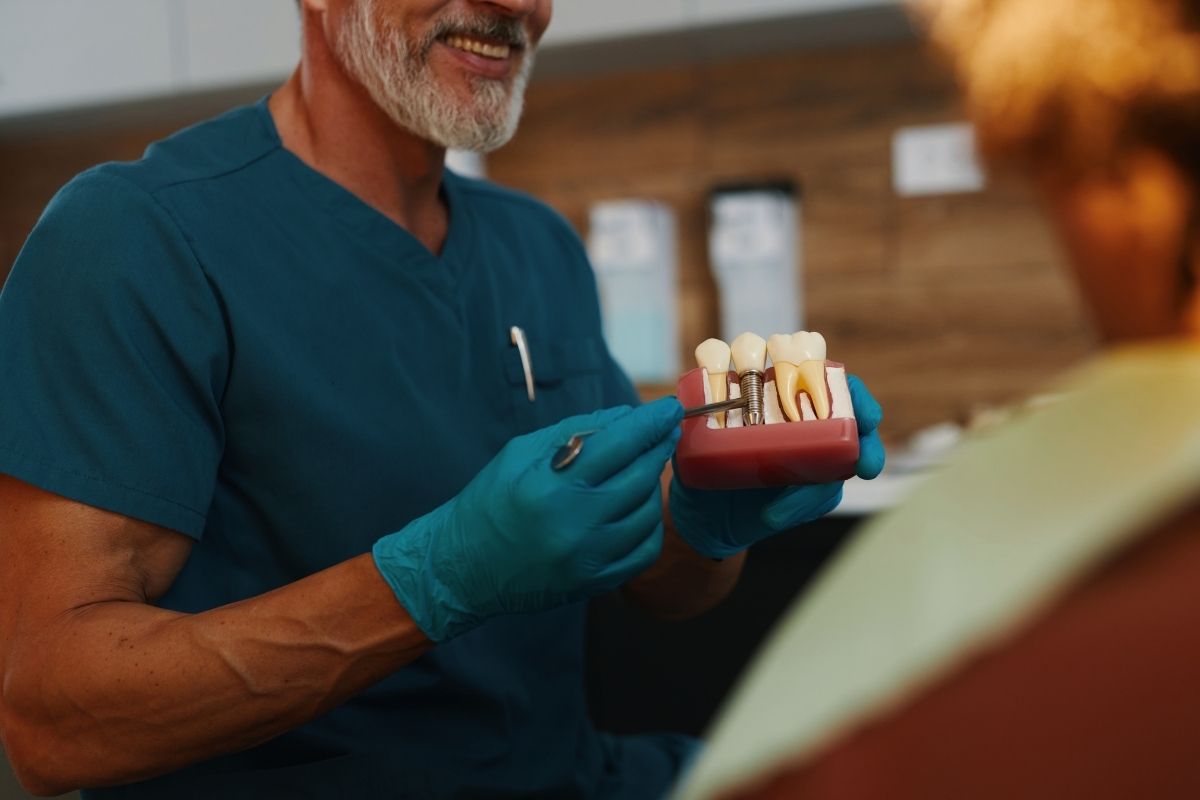
Your journey begins with a consultation where your dentist evaluates your oral health through X-rays and scans. This helps determine if you’re a good candidate for them and if additional procedures, like bone grafting, are needed.
2. Surgical Placement
During this step, the dental practitioner places the titanium fixture into your jawbone under local anesthesia. After the restoration is placed, the gums are stitched, and a temporary tooth may be added while the healing process begins.
3. Healing and Osseointegration
The healing period takes 3-6 months, allowing the restoration to fuse with your jawbone. This process, called osseointegration, ensures that the fixture is securely fixed in place.
4. Final Restoration
Once healed, a custom crown, bridge, or denture is attached to the prosthetic teeth. This final step restores the appearance and function of your teeth, providing you with a natural-looking and comfortable smile.
Dental restorations are an effective, long-term solution for missing teeth, offering both aesthetic and functional benefits.
Benefits of Dental Implants
If you’re considering this option, you’re making a positive step towards better oral health and a brighter future. Here are the many benefits of these permanent tooth replacements:
- Improved Appearance: They look and feel remarkably like natural teeth, closely mimicking both the appearance and texture of real, healthy teeth. This provides a seamless and authentic experience.
- Enhanced Function: They function just like real teeth, significantly enhancing your ability to chew food effectively and speak clearly. This offers a natural and comfortable experience.
- Longevity: With proper care and maintenance, dental restorations have the potential to last for several decades. It provides a durable and reliable solution for restoring your smile.
Common Myths About Dental Implants and Pain
There are numerous misconceptions about prosthetic teeth, especially regarding the pain involved. It’s essential to separate myth from reality when it comes to the pain of dental restorations. Here are the most common myths about the procedure:
Myth #1: “The Procedure is Extremely Painful”
Many people fear dental restorations because they believe the procedure is unbearably painful. In reality, the procedure is done under local anesthesia, ensuring you don’t feel pain during the process. After the procedure, any discomfort is typically manageable with over-the-counter pain relievers. Most patients report feeling only mild discomfort.
Myth #2: “Recovery Takes a Long Time and Is Extremely Painful”
While the healing process can take a few months, most patients experience only mild discomfort during the recovery period. Modern advancements in dental technology have significantly reduced the pain associated with prosthetic teeth. Swelling and discomfort are common but typically subside within a few days.
Myth #3: “You Can’t Eat Solid Food After Getting Dental Implants”
This is another common myth. While it’s true that you may need to stick to soft foods during the initial healing period, once the fixture has integrated with your jawbone, you can enjoy your regular diet. Eating solid food can be resumed gradually as your mouth heals.
What to Expect During and After the Procedure?
Understanding what to expect before, during, and after the procedure can help alleviate concerns about pain and discomfort. Here are the steps of this procedure:
During the Procedure
This procedure is typically performed in a dental office and requires only mild sedation. This means that you’ll be awake during the procedure but won’t feel any pain. Sedation options are also available for those who are anxious or prefer a deeper level of relaxation.
Post-Procedure Care and Pain Management
After the procedure, there will be some discomfort as your body adjusts to the new fixture. However, most people experience only mild to moderate discomfort. Ice packs can be used to reduce swelling, and prescribed or over-the-counter medications can help manage any discomfort.
Long-Term Pain Management
Once the healing period is over and your dental restorations are fully integrated with your jawbone, you should feel no discomfort. Your fixtures will function just like natural teeth, and there should be no ongoing pain related to the prosthetic teeth themselves.
Restore Your Missing Teeth without Any Fear
Dental implants are an excellent solution for those who are looking to restore their smile and functionality. The procedure is not as painful as many myths suggest, and with modern technology, recovery is easier than ever before. By understanding what to expect, you can approach the process with confidence and ease.
If you’re considering dental implants in Silver Spring, don’t hesitate to reach out to us. At Maryland Family & General Dentistry – Silver Spring, our team is here to guide you through every step of the process. We will ensure your comfort and satisfaction. Whether you’re enjoying the local sights or just relaxing at home, dental restorations can give you the confidence to smile again. So don’t wait anymore and book an appointment with us today.
Frequently Asked Questions (FAQs)
How long does the recovery period last after getting dental implants?
The recovery period varies but typically takes a few months to fully heal. Swelling and discomfort usually subside within a few days, with the entire process completed once the fixtures have fully integrated with the jawbone.
Are dental prosthetic teeth better than dentures for replacing missing teeth?
Yes, dental restorations provide a more permanent and stable solution compared to dentures. Unlike dentures, they do not require adhesives or frequent adjustments and offer better function and appearance in the long term.
Can dental implants be placed in patients with bone loss?
In many cases, patients with bone loss can still receive prosthetic teeth with the help of bone grafting procedures. A consultation with a dental health care provider will determine if this is necessary for you.
Is there any downtime required after getting dental restorations?
There is minimal downtime after the procedure. Most people can return to their normal activities within a few days, though avoiding strenuous activities is recommended during the initial healing phase.
Are there any risks or complications associated with prosthetic teeth?
Like any surgical procedure, there are potential risks, including infection or treatment failure. However, these complications are rare, and proper care during the healing process significantly reduces the likelihood of issues.