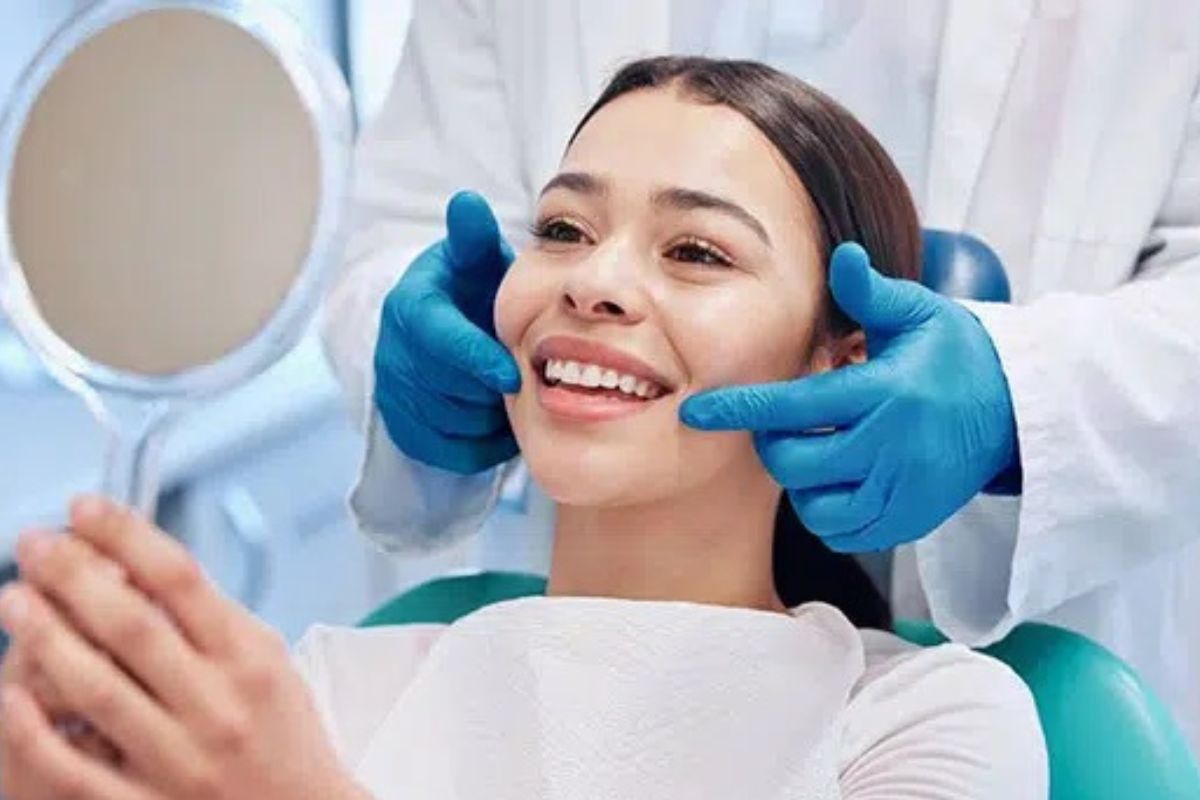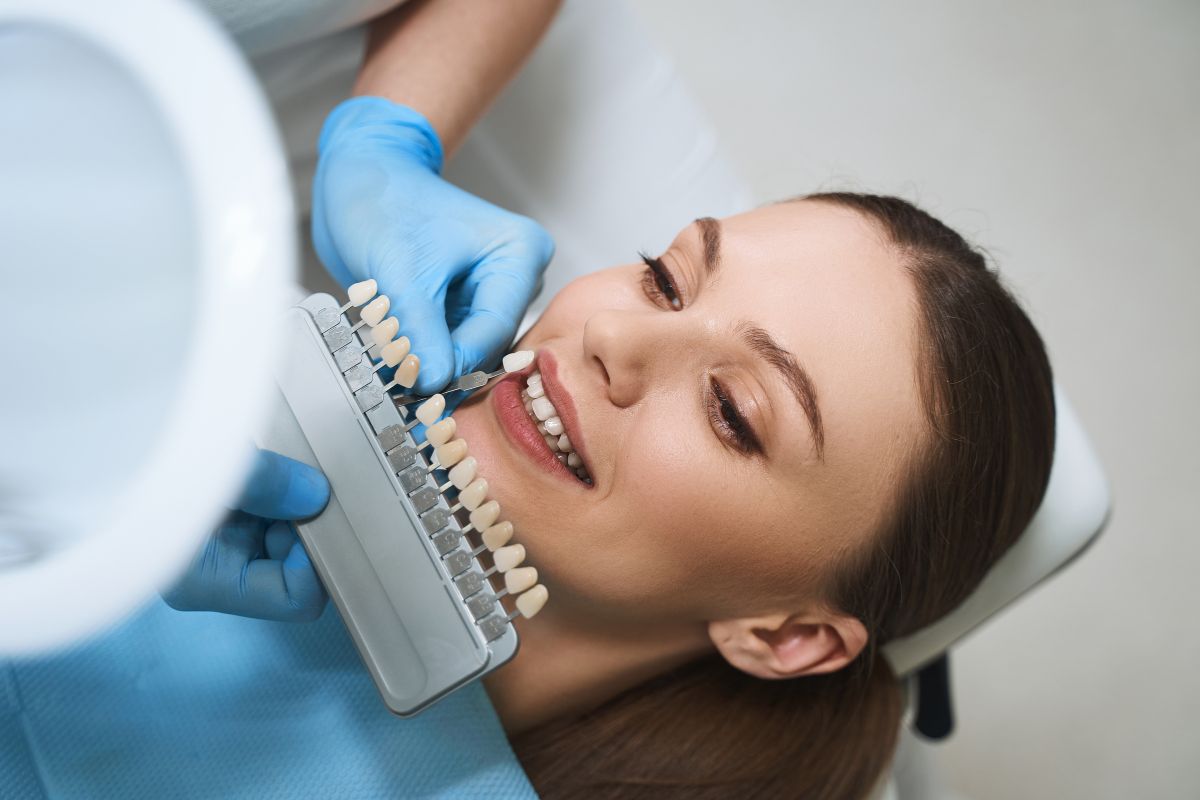




Professional teeth whitening can improve tooth color by reducing stains caused by food, beverages, and tobacco. At Maryland Family & General Dentistry, patients can discuss professional teeth bleaching as part of their cosmetic dental care. If you are considering treatment, understanding how long does teeth whitening last can help you plan maintenance and protect your results. Patients in Germantown can also go through our cosmetic services before discussing their whitening goals.
How Long Do Professional Teeth Whitening Results Last?
Professional teeth whitening results can last several months to a year or longer, depending on the treatment method, staining habits, and oral hygiene routine.
There is no fixed expiration date for whitening results. Some patients maintain a lighter tooth shade for an extended period. Others notice discoloration sooner because of frequent exposure to staining substances.
Clinical research supports the possibility of long-lasting results. A randomized clinical trial published in the Journal of the American Dental Association found that teeth remained significantly lighter than their original shade one year after at-home bleaching with carbamide peroxide.
A separate systematic review published in 2024 examined 30 studies involving different professional whitening methods. It found that all evaluated approaches improved tooth color, although results varied by treatment protocol and follow-up period.
These findings show that whitening can provide lasting improvement. However, individual results depend on several factors.
What Factors Affect How Long Teeth Whitening Results Last?
Diet, tobacco use, oral hygiene, natural tooth discoloration, and the whitening method all influence how long the results remain visible.
Several everyday factors can gradually change tooth color after treatment.
- Staining beverages: Coffee, black tea, and red wine contain pigments that can contribute to surface discoloration.
- Tobacco use: Cigarettes and other tobacco products can cause persistent yellow or brown staining.
- Oral hygiene: Inconsistent brushing and flossing allow plaque and surface deposits to accumulate.
- Natural discoloration: Age-related enamel changes and certain medications can affect the underlying tooth color.
- Whitening method: In-office bleaching and dentist-supervised take-home trays use different treatment protocols.
The American Dental Association (ADA) identifies hydrogen peroxide and carbamide peroxide as common active ingredients in tooth-whitening products. These ingredients help break down compounds responsible for discoloration.
Your dentist can assess the cause of staining before recommending a whitening approach.
Does Professional Teeth Whitening Last Longer Than At-Home Whitening?
Professional whitening and dentist-supervised at-home whitening can both produce lasting results, but neither method guarantees a longer-lasting outcome for every patient.
The main difference involves treatment delivery, peroxide concentration, and supervision.
| Feature | In-office whitening | Dentist-supervised home whitening |
|---|---|---|
| Application | Performed by a dental professional | Patient applies dentist-prescribed gel |
| Whitening agent | Hydrogen peroxide-based gel may be used | Carbamide peroxide or hydrogen peroxide |
| Treatment schedule | Completed during scheduled office visits | Followed over a prescribed period |
| Monitoring | Direct professional supervision | Dentist-guided treatment and follow-up |
The 2024 systematic review in Bioengineering evaluated 30 studies and found no clear evidence that one professional whitening approach consistently outperformed every other approach. Some included studies reported better color stability with carbamide peroxide take-home trays.
The appropriate method depends on your dental examination, discoloration, and treatment goals. Your dentist can explain which approach is suitable.
How Can You Make Teeth Whitening Results Last Longer?
Consistent oral hygiene, reduced exposure to staining substances, and regular dental cleanings can help maintain a lighter tooth shade.
After professional bleaching, follow your dentist’s aftercare instructions. Long-term maintenance should focus on limiting new stains and keeping natural teeth clean.
Consider these practical steps:
- Brush twice daily: Use fluoride toothpaste and a soft-bristled toothbrush to remove plaque and surface deposits.
- Floss daily: Clean between teeth to remove food particles and plaque that brushing may miss.
- Limit staining beverages: Reduce frequent consumption of coffee, black tea, and red wine.
- Rinse with water: Drink or rinse with water after consuming staining beverages.
- Avoid tobacco: Tobacco use contributes to discoloration and negatively affects oral health.
- Schedule dental cleanings: Professional cleanings help remove external deposits that regular brushing cannot completely eliminate.
These habits do not stop every form of discoloration. However, they can reduce preventable surface staining and support overall dental health.
How Often Can You Whiten Your Teeth?
The appropriate whitening frequency depends on the bleaching product, peroxide concentration, existing tooth sensitivity, and your dentist’s recommendations.
There is no universal schedule for repeating professional whitening. Some patients may need occasional maintenance, while others may not require another treatment for an extended period.
Repeated bleaching without professional guidance can increase the risk of temporary tooth sensitivity and gum irritation. The ADA identifies these effects as common adverse reactions associated with tooth whitening.
Before scheduling another session, your dentist should assess your current tooth shade, enamel condition, and previous treatment history.
Avoid using additional whitening strips or concentrated bleaching gels simply because you notice minor discoloration. The correct maintenance schedule should be based on your dental needs.
When Should You Schedule Teeth Whitening Touch-Ups?
Teeth whitening touch-ups should be scheduled when noticeable discoloration returns, rather than at a fixed interval for every patient.
A touch-up may help restore some of the brightness achieved during the original treatment. However, your dentist should first determine whether the discoloration is caused by new surface stains or changes within the tooth.
Before repeating treatment, consider the following:
- Mild surface staining: A professional dental cleaning may remove some external deposits without requiring another bleaching session.
- Returning yellow discoloration: Your dentist can assess whether another whitening treatment is appropriate.
- Persistent internal discoloration: Some intrinsic stains may respond differently to bleaching and require a different treatment plan.
- Uneven tooth color: Existing dental restorations or differences in natural tooth structure may affect the appearance of the final result.
Touch-ups should use dentist-approved products and instructions. The frequency should account for your previous whitening treatment and current oral health.
Do Dental Crowns, Fillings, and Veneers Whiten?
No. Teeth whitening products lighten natural tooth structure but do not change the existing shade of crowns, fillings, or veneers.
This distinction is important before starting cosmetic treatment.
The ADA confirms that whitening products work on natural teeth, not tooth-colored restorations. Existing materials may retain their original shade even when surrounding natural teeth become lighter.
For example:
- Porcelain crowns do not respond to peroxide bleaching.
- Composite fillings retain their existing material shade.
- Porcelain veneers do not become lighter through conventional teeth whitening.
If you have visible restorations, discuss their location and shade with your dentist before treatment. Whitening natural teeth first may help your dentist plan any necessary restorative adjustments.
Maryland Family & General Dentistry offers cosmetic dental care, including teeth bleaching and porcelain veneers. The dental team can evaluate your existing restorations and discuss appropriate treatment options.
Is Professional Teeth Whitening Safe for Long-Term Maintenance?
Professional teeth whitening is generally safe when performed under appropriate dental supervision, but repeated or excessive bleaching can cause temporary sensitivity and gum irritation.
A dental examination helps identify concerns before treatment. Your dentist may check for untreated cavities, gum inflammation, exposed root surfaces, and existing restorations.
The ADA identifies temporary tooth sensitivity and gingival irritation as the most common adverse effects of vital tooth whitening. These effects are generally mild and temporary.
If sensitivity develops after bleaching, contact your dentist before repeating treatment. Your dentist can review the product concentration, application time, and treatment schedule.
Patients with significant existing sensitivity may need an alternative approach. Professional assessment helps determine whether bleaching is appropriate and how to maintain the results safely.
Where Can You Get Professional Teeth Whitening in Germantown, MD?
Maryland Family & General Dentistry provides cosmetic dental services, including professional teeth bleaching, for patients seeking treatment in Germantown and Silver Spring, Maryland.
The practice’s cosmetic dentistry service includes peroxide-based teeth bleaching. The dental team evaluates individual dental needs before recommending treatment.
If you are researching a cosmetic dentist in Germantown, schedule a consultation to discuss your current tooth shade, whitening expectations, and maintenance requirements.
Maryland Family & General Dentistry has two locations:
- Germantown: 13529 Clopper Road, Germantown, MD 20874.
- Silver Spring: 13975 Connecticut Avenue, Silver Spring, MD 20906.
You can also view the practice’s Google Business Profile for Germantown location information and patient reviews.
FAQs
How long does teeth whitening last after one professional treatment?
Professional whitening results can last several months to a year or longer, depending on staining habits, oral hygiene, and the treatment method.
How often can you whiten your teeth professionally?
The frequency depends on your dental condition, previous treatment, and the bleaching product used; your dentist should recommend an appropriate schedule.
Do teeth become yellow again after professional whitening?
Yes. Natural discoloration and surface stains can gradually return through exposure to coffee, tea, tobacco, and other staining substances.
Are teeth whitening touch-ups necessary?
Not always. Touch-ups are appropriate when noticeable discoloration returns and a dental professional determines that additional bleaching is suitable.
Does professional teeth whitening damage enamel?
When used appropriately under dental supervision, professional whitening is generally considered safe, although temporary tooth sensitivity and gum irritation can occur.