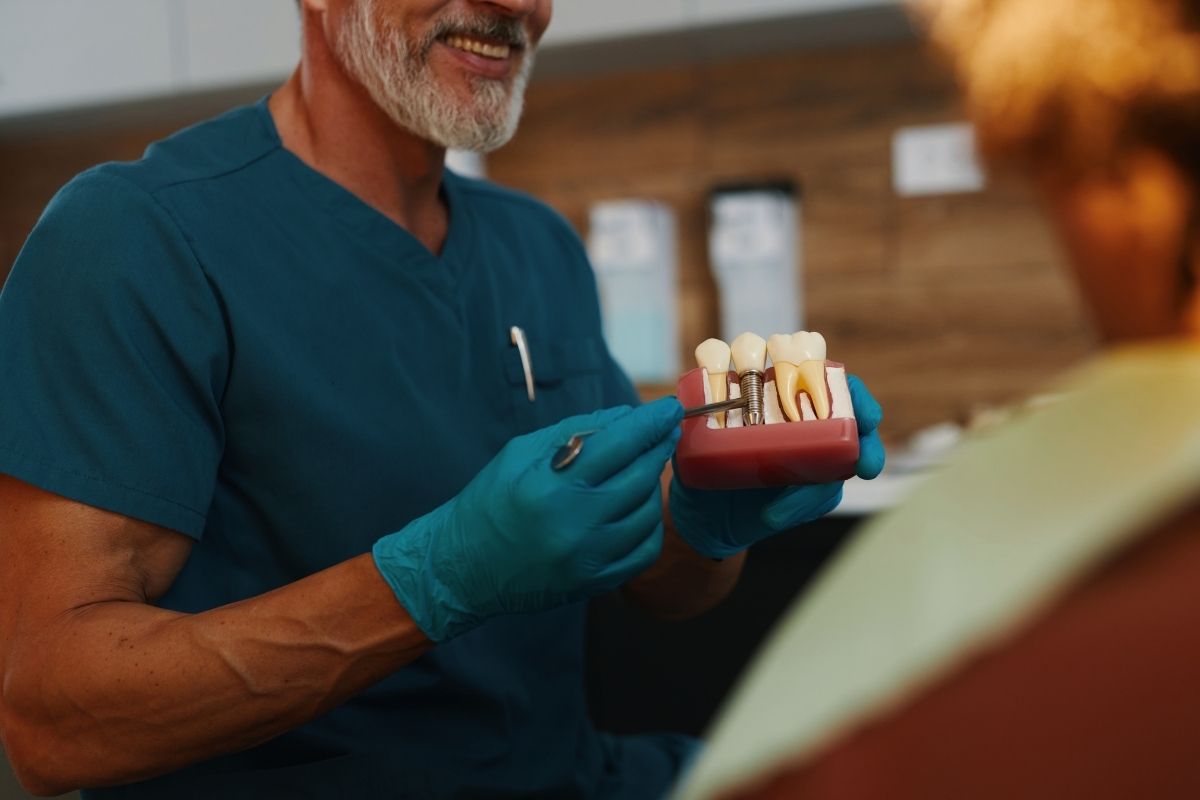



Tooth loss can have a significant impact on your quality of life. Having a gap in your smile doesn’t just affect your look but also how you eat, speak, and feel about yourself. Implants have become a reliable solution for replacing missing teeth, offering both functional and aesthetic benefits.
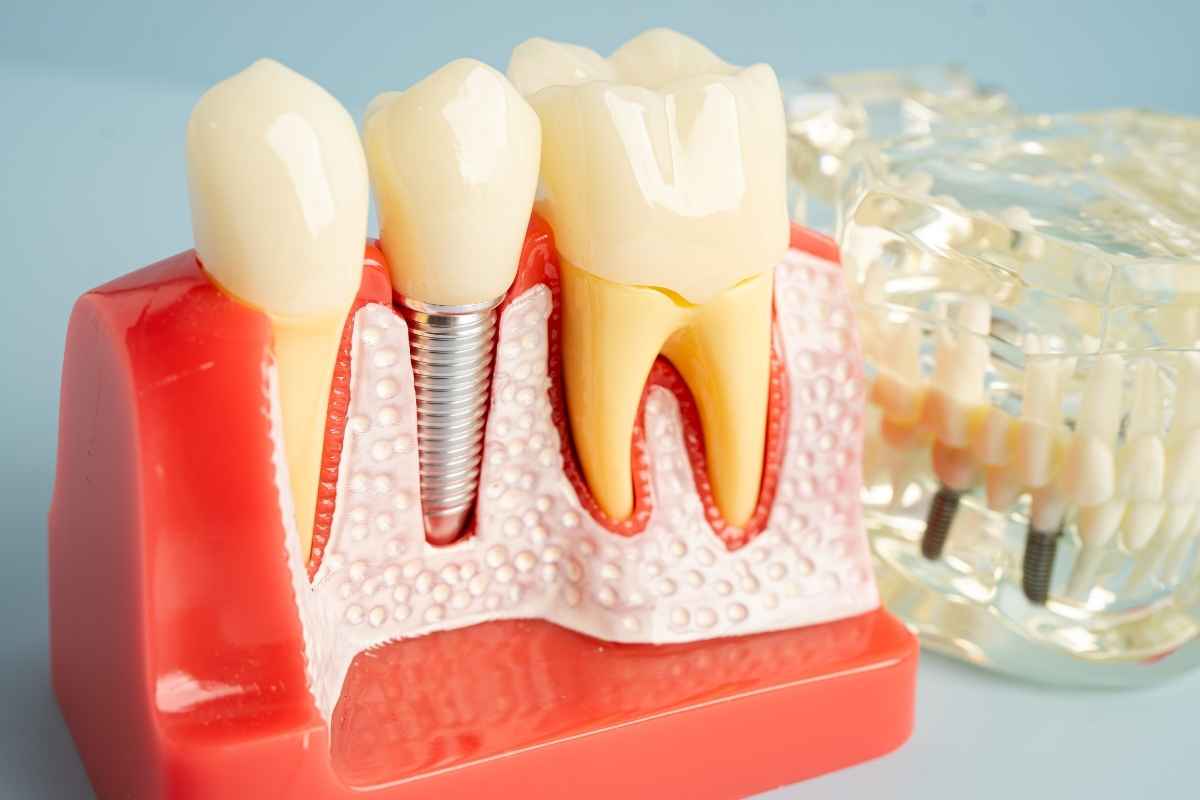
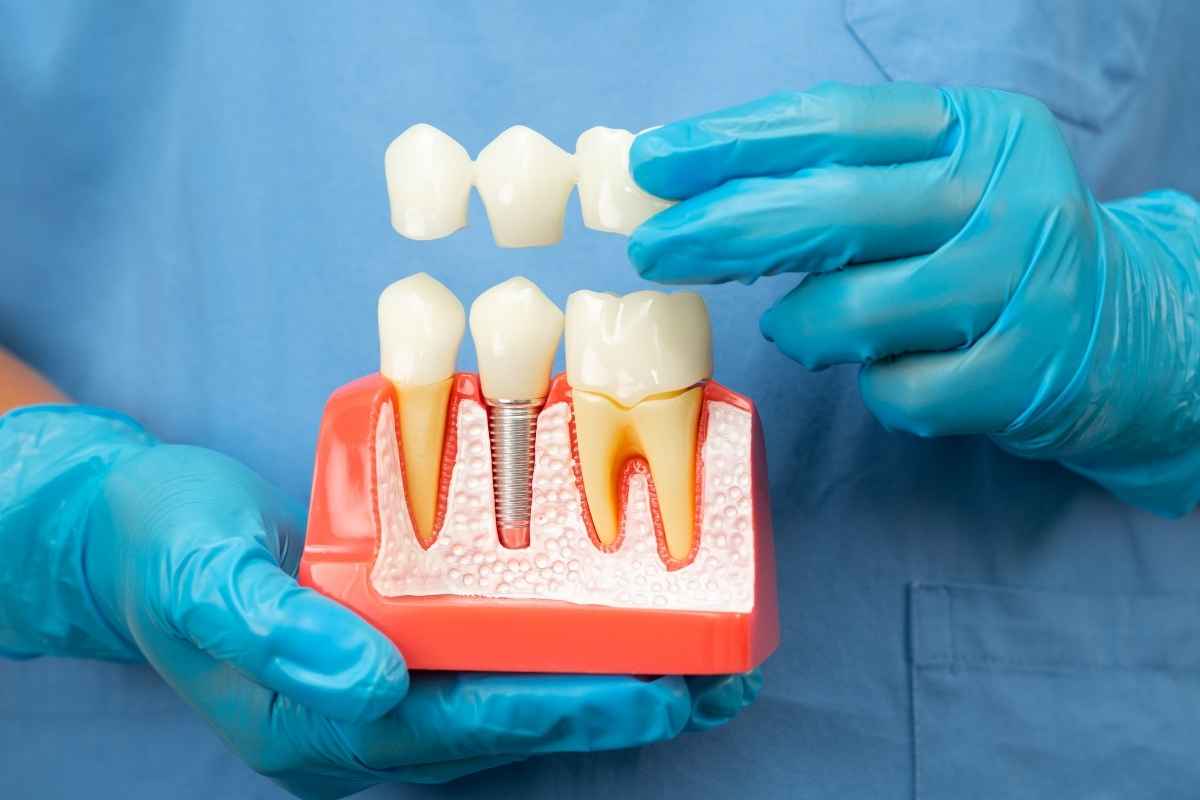
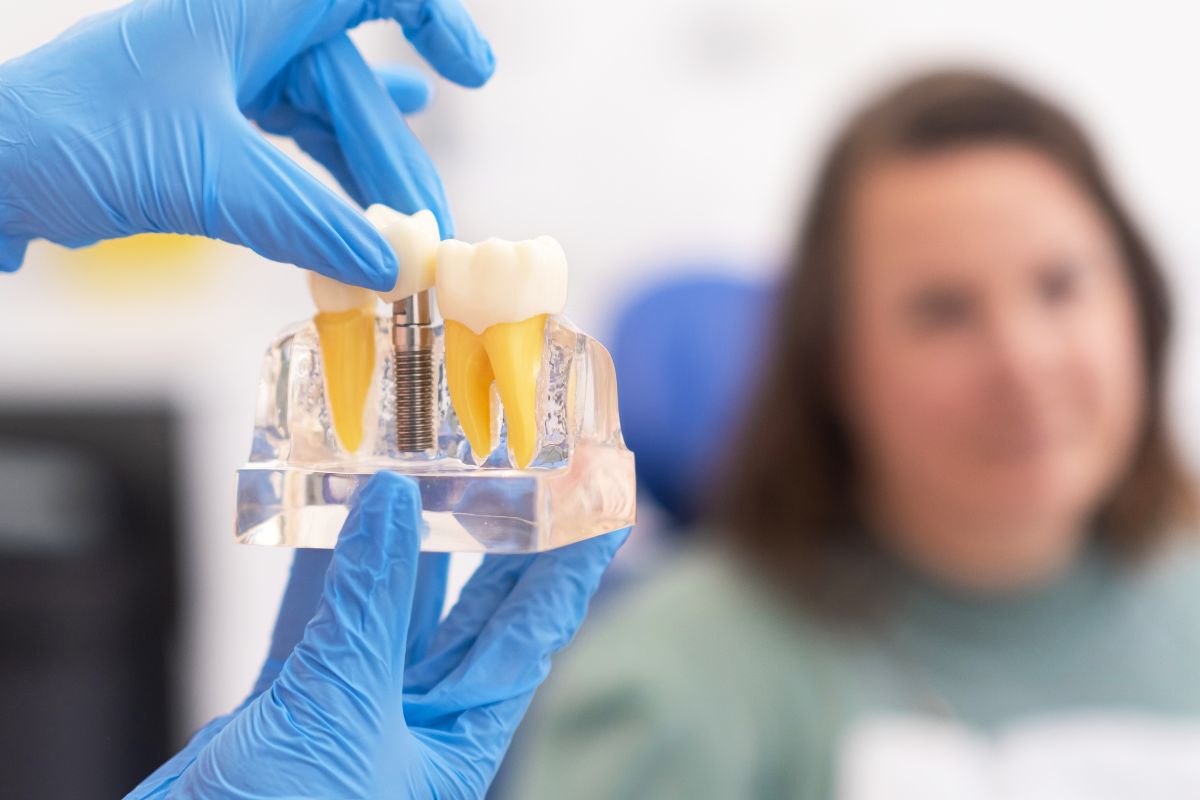
These small titanium posts are surgically placed into the jawbone to serve as solid anchors for crowns, bridges, or dentures. Once healed and fully integrated with the surrounding bone, they function much like natural teeth.
Read this blog to understand the longevity of dental implants, according to prosthetic specialists.
How Long Do Dental Implants Last?
One common question that always revolves around a patient’s mind is the expected life expectancy of prosthetic teeth. According to many dental experts, these artificial roots can last anywhere from 20 to 30 years or longer, depending on how well you care for them.
Clinical studies have reported survival rates of over 90% after 15 years, with some showing success even beyond 30 years. However, several factors influence this outcome and ensure permanent restoration with dental implants in Germantown.
What Determines Implant Longevity?
While the materials used in modern implants are highly durable, the actual lifespan is determined by these factors:
Skill and Experience of the Dentist
The precision involved in placing dental prostheses is crucial. A well-trained and reliable dentist ensures the implant is correctly positioned and that the surrounding tissues are healthy. Remember, errors in placement can cause misalignment or even nerve damage. Besides, implant specialists follow thorough protocols, use updated technology like 3D scans, and understand how to avoid high-risk areas of the jaw.
Bone Density and Jaw Health
Implants rely on solid bone structure for stability. If bone density is low due to age, gum disease, or erosion, the artificial root may not be supported well. In this case, bone grafting may rebuild the jaw before placing the titanium post. Denser bone improves integration and reduces the possibility of prosthetic failure.
Medical Conditions
Chronic health issues such as uncontrolled diabetes, cancer treatments, or autoimmune diseases can impair healing and trigger implant complications. Patients undergoing chemotherapy or radiation may experience slower recovery and reduced bone integration.
Oral Hygiene and Daily Habits
Prosthetic teeth also need proper oral care like your natural pearly whites. Plaque buildup can lead to gum infections, which can weaken the surrounding bone and impact the stability of the post. Smoking restricts blood flow to the gums, which further delays healing and reduces the lifespan of implants.
Stress and Mechanical Pressure
Grinding your teeth, which is also known as bruxism or clenching, can cause them to shift or wear down prematurely. If you grind consistently, get advice on wearing a night guard from your practitioner to protect natural and replacement teeth.
Why Are Routine Checkups Critical for Implant Health?
Regular dental checkups play an essential role in extending the lifespan of artificial tooth roots and crowns. Even if everything feels fine, problems like bone loss or gum inflammation can develop silently. An expert always utilizes X-rays and periodontal measurements to detect issues early and prevent complications with prostheses. Moreover, to preserve your implant and prevent more invasive procedures, you need prompt care from a dentist in Germantown.
How to Maximize the Lifespan of Dental Implants?
Here are a few things specialists advise to keep prosthetic teeth in top shape.
- Brush your teeth at least twice a day with a soft-bristled toothbrush
- Floss daily to remove plaque between teeth and around implants
- Avoid biting hard items like pens, ice, or bottle caps
- Quit smoking and reduce alcohol consumption
- Use a mouthguard if you grind your teeth at night
- Visit our dental office for regular exams and professional cleanings
Book an appointment if you notice pain, swelling, or movement around your implant or if it’s been a while since your last evaluation. Early detection can significantly impact treatment outcomes.
Can Implants Really Last a Lifetime?
In many cases, yes. With precise placement, solid bone structure, good general health, and excellent oral hygiene, prostheses can function effectively for decades. For many people, especially those who receive them later in life, a single implant may last the rest of their lives without needing replacement.
Undoubtedly, dental implants offer a reliable solution for achieving and maintaining a gapless smile. However, regular monitoring and personal care are necessary to ensure long-term success and avoid prosthetic impairment.
If you are seeking a dentist who can help your dental prostheses remain intact for years, contact us. At Maryland Family and General Dentistry, we restore oral function, improve quality of life, and help you chew, smile, and speak confidently with personalized implant solutions.