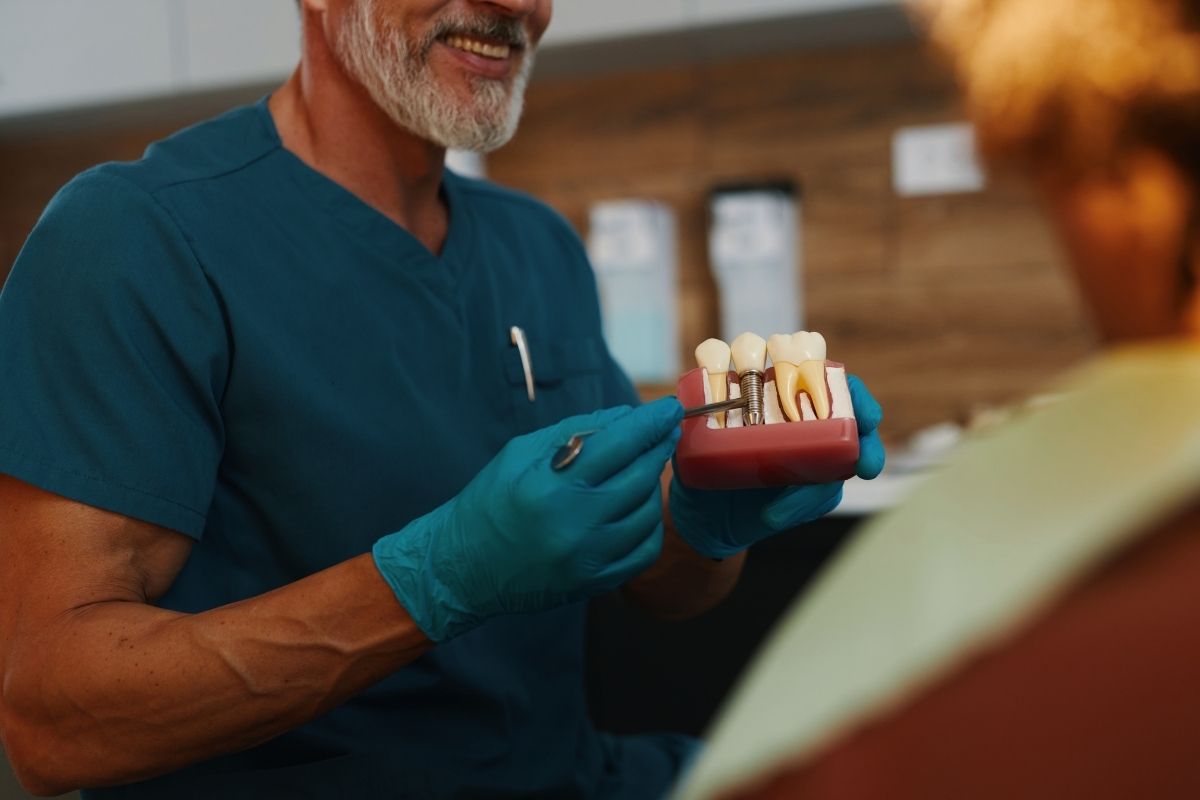



Dental implants are a revolutionary solution for replacing missing teeth, offering both durability and a natural appearance. If you’re in this city and considering them, you may be wondering: how long do they actually last? While dental restorations are known for their strength, they do require proper care and maintenance to reach their full lifespan. Understanding the factors that affect their longevity and how to maintain them can help you make an informed decision about your dental health.
In this blog, we will dive into the lifespan of dental restorations and the factors that influence their durability. We will also discuss tips for ensuring they last as long as possible. Whether you’re exploring dental implants Germantown or already have them, this guide will answer all your key questions.
Understanding the Lifespan of Dental Implants
Dental restorations are designed to provide a long-term solution for missing teeth. On average, they last anywhere from 20 to 30 years or more with proper care. However, the actual lifespan can vary based on several factors, including the quality of the materials, how well they are maintained, and the specific conditions of your oral health. The durability of permanent is one of their most significant advantages over traditional bridges or dentures.
Factors That Affect the Longevity of Dental Implants
While dental restorations are built to last, their longevity is influenced by various factors. Here are some key elements that impact how long they will last:
Quality of Materials
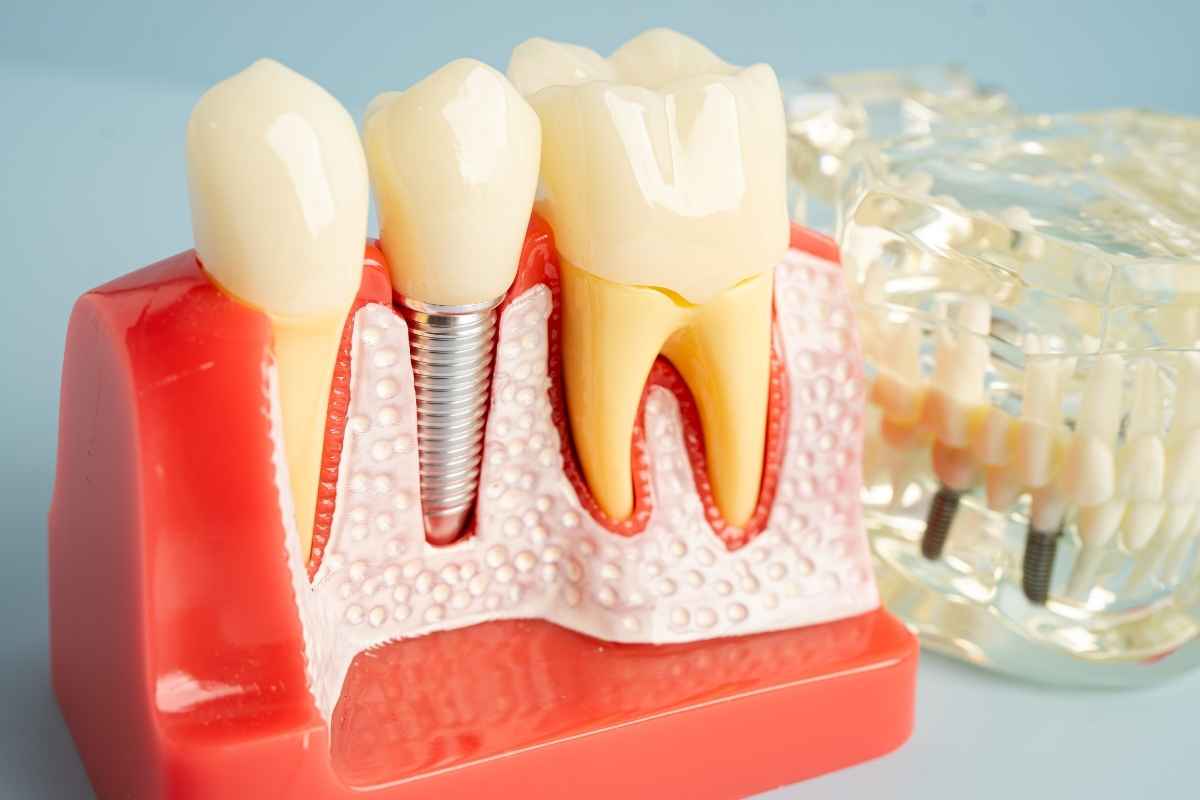
Dental restorations are commonly crafted from titanium, a metal renowned for its exceptional strength, durability, and biocompatibility with human tissue. Utilizing high-quality titanium ensures that these restorations are not only robust but also safe for long-term placement within the body. Consequently, these factors contribute to a higher likelihood of the restorations lasting for many years. It provides patients with a reliable and enduring solution for dental repair and restoration.
Your Oral Health
Maintaining good oral hygiene and overall dental health is crucial for the longevity of dental restorations. Healthy gums and strong bones create a stable foundation that supports the placement, reducing the risk of complications or failure. Regular brushing, flossing, and routine dental checkups are essential practices to ensure the health of your gums and bones, ultimately helping them to last longer and function effectively over time.
Age and General Health
Younger patients with healthier, denser bones generally have a higher likelihood of experiencing longer-lasting restorations. This is because bone density naturally tends to decrease with age. It can affect how well the implant integrates with the bone. Additionally, certain health conditions, such as diabetes or lifestyle choices like smoking, can negatively impact the success and longevity of this dental treatment. It is making overall health an important consideration for restoration candidacy.
Placement Technique
The skill and experience of the dentist are vital factors that significantly influence both the success rate and the long-term durability of a dental restoration. A dentist in Germantown with extensive training and proven expertise can ensure the precise placement of the restoration. It reduces the risk of complications and increases the likelihood that the implant will integrate well with the jawbone. When it is properly placed, it has a much higher chance of lasting for many years. It provides a stable foundation for dental restorations and maintains oral health.
Oral Hygiene and Maintenance
Regular brushing, flossing, and professional cleanings are essential practices to maintain the health and longevity of your dental restorations. These routines help remove plaque and bacteria that can accumulate around the site, significantly reducing the risk of infections or gum disease. If left unchecked, infections can compromise their stability and potentially lead to their premature failure, shortening their lifespan. Therefore, consistent oral hygiene combined with regular dental visits is crucial to ensure they remain healthy and functional for many years.
How Durable Are Dental Implants?
Dental restorations are one of the most durable options for replacing missing teeth. Unlike bridges or dentures, which may need to be replaced over time, they are designed to last for decades if properly cared for. Here’s why they’re so durable:
- Titanium Material: Utilizing titanium in permanent dental replacements significantly enhances their strength and durability. It naturally bonds with your bone, offering excellent stability and helping the implant become a lasting part of your smile.
- Bone Integration: The process called osseointegration, where the restoration bonds with the jawbone, adds extra strength. This helps ensure that it remains securely in place for many years.
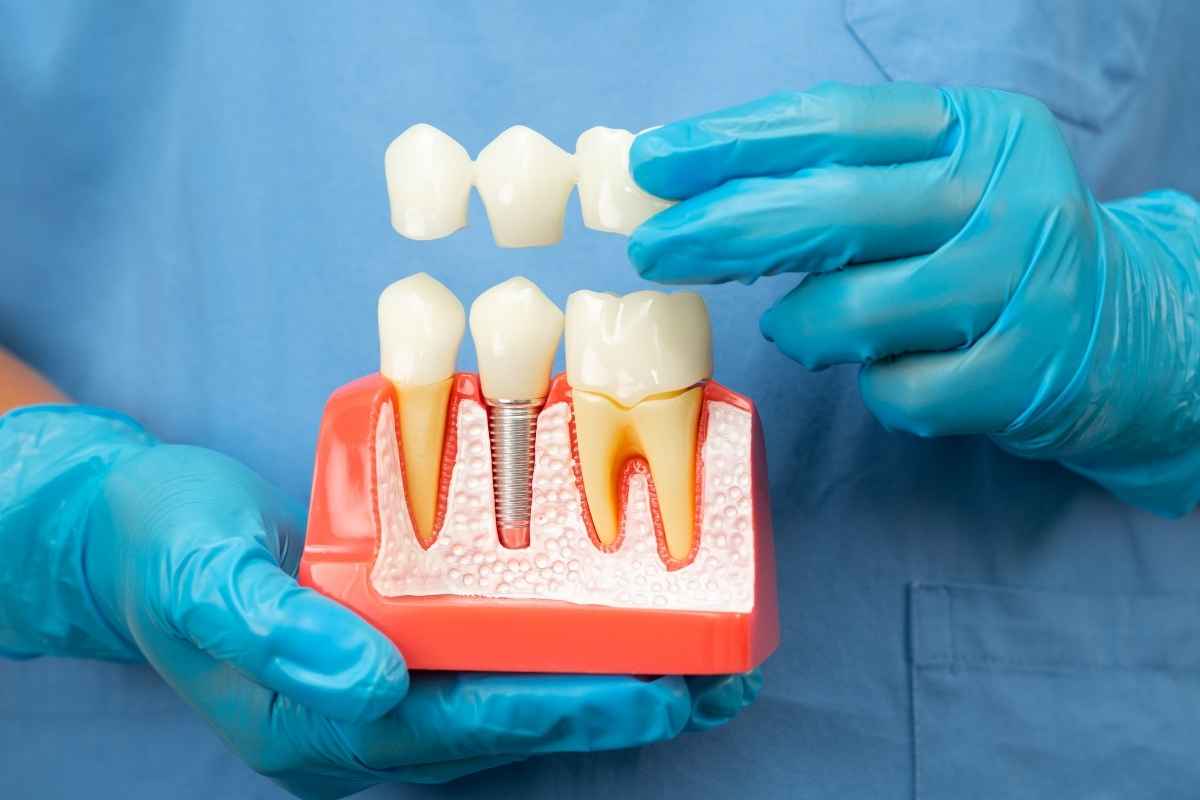
- Custom Fit: Each dental restoration is carefully tailored just for your mouth, helping to minimize any chance of complications or discomfort. When it fits well, it also lasts longer and works better for you.
- Resistance to Decay: Because permanent dental placements are crafted from metal and ceramic materials, they are less susceptible to cavities and decay. This helps them last even longer.
Dental Implant Maintenance Tips
To get the most out of your dental restorations, regular maintenance is key. Follow these tips to ensure they stay in great shape for years to come:
Brush Regularly
Gently brush them twice daily with a soft-bristle toothbrush to help keep plaque and food particles at bay. It’s best to avoid abrasive toothpaste, as it could scratch the surface of your restoration. Taking this small step can make a big difference in maintaining their health!
Floss Daily
Flossing is a great way to keep your gums healthy and prevent plaque from building up around the site. Be sure to use floss specifically made for dental restorations to protect both your restoration and the nearby tissues.
Visit Your Dentist Regularly
Regular checkups and cleanings are key to maintaining your permanent replacements and keeping them in great shape. Your dentist in Germantown will carefully examine them for any signs of wear and make sure that the surrounding gum tissue remains healthy and strong.
Avoid Hard Foods
Although dental restorations are very durable, it’s best to be cautious with very hard foods. Try to avoid biting into ice, hard candies, or other tough treats that might crack or loosen your implant. Taking care with what you eat can help keep them secure and long-lasting!
Quit Smoking
Smoking can slow down your healing after the surgery and may raise the chance of gum disease, which could reduce how long the results last. Taking steps to avoid smoking can really help your recovery and keep your restorations healthy for years to come.
Ensuring Your Dental Implants Last a Lifetime
When considering dental implants in Germantown, MD, understanding their longevity and maintenance is crucial for making an informed decision. By following the proper care guidelines and choosing our dentist, you can expect your dental restorations to last for many years, providing you with a permanent solution for missing teeth.
At Maryland Family and General Dentistry, we offer expert guidance on implants and their care. If you’re ready to learn more about how they can improve your smile, contact us today for a consultation.
Frequently Asked Questions
How long do dental implants last?
Dental implants can last between 20 and 30 years or more, depending on how well they are maintained and the health of your gums and bones.
Do dental implants require special care?
Yes, they require regular brushing, flossing, and professional cleanings to ensure they last as long as possible and remain free of infection.
What factors affect the lifespan of dental implants?
Factors such as oral hygiene, the quality of materials, the dentist’s expertise, and overall health play a role in determining how long dental implants last.
Are dental implants more durable than dentures?
Yes, dental implants are more durable than dentures, as they are designed to last a lifetime with proper care, while dentures typically need to be replaced every 5-10 years.
Can dental implants get cavities?
No, dental implants cannot get cavities since they are made of titanium and ceramic materials. However, they can still develop plaque buildup and gum disease if not properly cared for.