


Dental implants are a popular and effective solution for replacing missing teeth, offering a permanent, natural-looking smile. However, while dental implants can last for many years, their longevity depends on proper care and maintenance. One of the most important steps in ensuring the health of your implants is to have regular checkups with your dentist. These routine visits play a vital role in extending the life of your tooth implants, keeping your smile strong and healthy for years to come.
In this blog, we will explore why regular checkups for dental implants in Silver Spring are essential, what to expect during your visits, and how to care for your implants between appointments.
The Role of Regular Checkups in Maintaining Dental Implants
When you first get dental implants, your dentist will guide you through the necessary steps to care for them. But even after the initial healing period, regular visits to your dentist are crucial for ongoing maintenance. These checkups allow your dentist to monitor the health of your implants and ensure they remain secure and functional. Regular checkups also provide an opportunity to address any issues before they become significant problems.
Implants may be durable, but they are still susceptible to complications if not cared for properly. Without routine checkups, potential issues like infection, gum disease, or implant failure might go unnoticed, leading to more severe problems in the future.
What Happens During Your Regular Dental Implant Checkups?
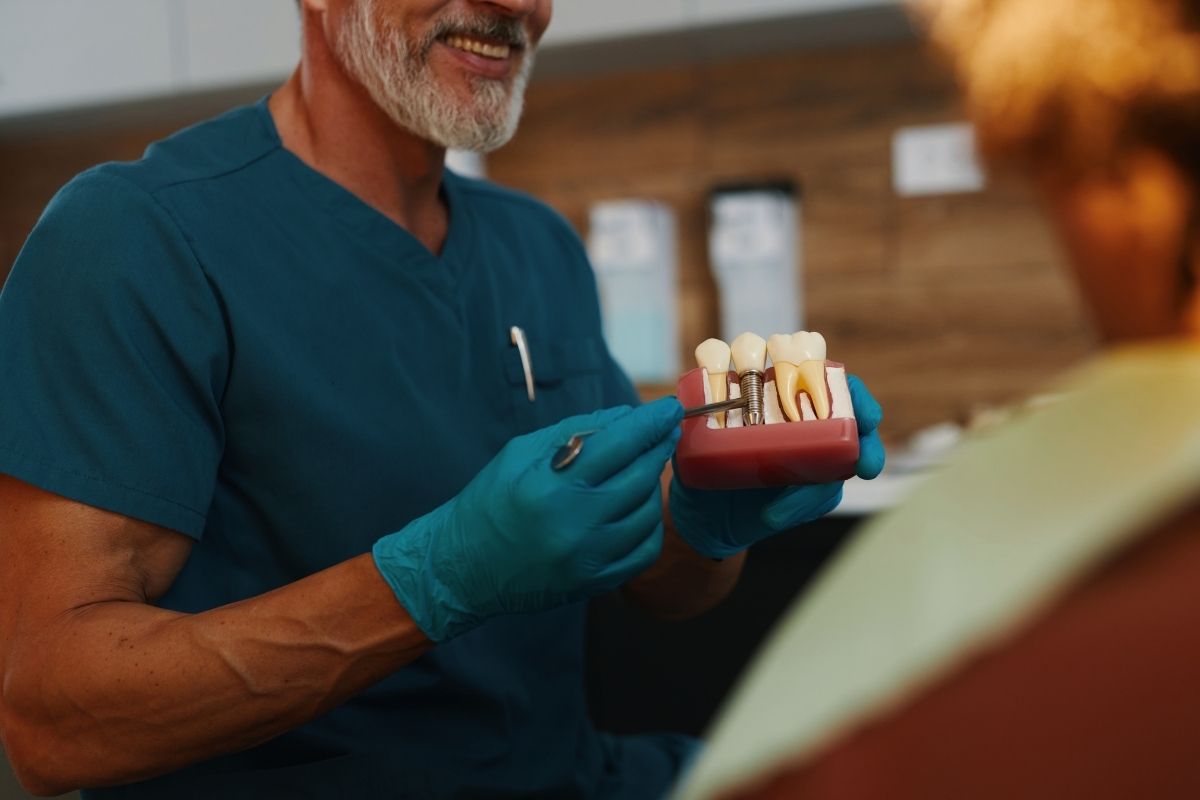
During your regular checkup, your dentist will assess the health of your dental implants, gums, and surrounding teeth. Here’s what you can expect during your dental visit:
- Comprehensive Examination: Your dentist will perform a thorough examination of your tooth implants, checking for signs of wear, damage, or infection. They will also assess your gums to ensure there is no gum disease, which could impact the success of your implants.
- X-rays: Periodic X-rays are taken to ensure that the bone around your implant is healthy and secure. These images help your dentist detect any underlying issues that may not be visible during a physical examination.
- Cleaning: Regular cleanings are essential for keeping your implants healthy. Just like natural teeth, implants need to be cleaned regularly to remove plaque and tartar buildup that can cause gum inflammation and other oral health issues.
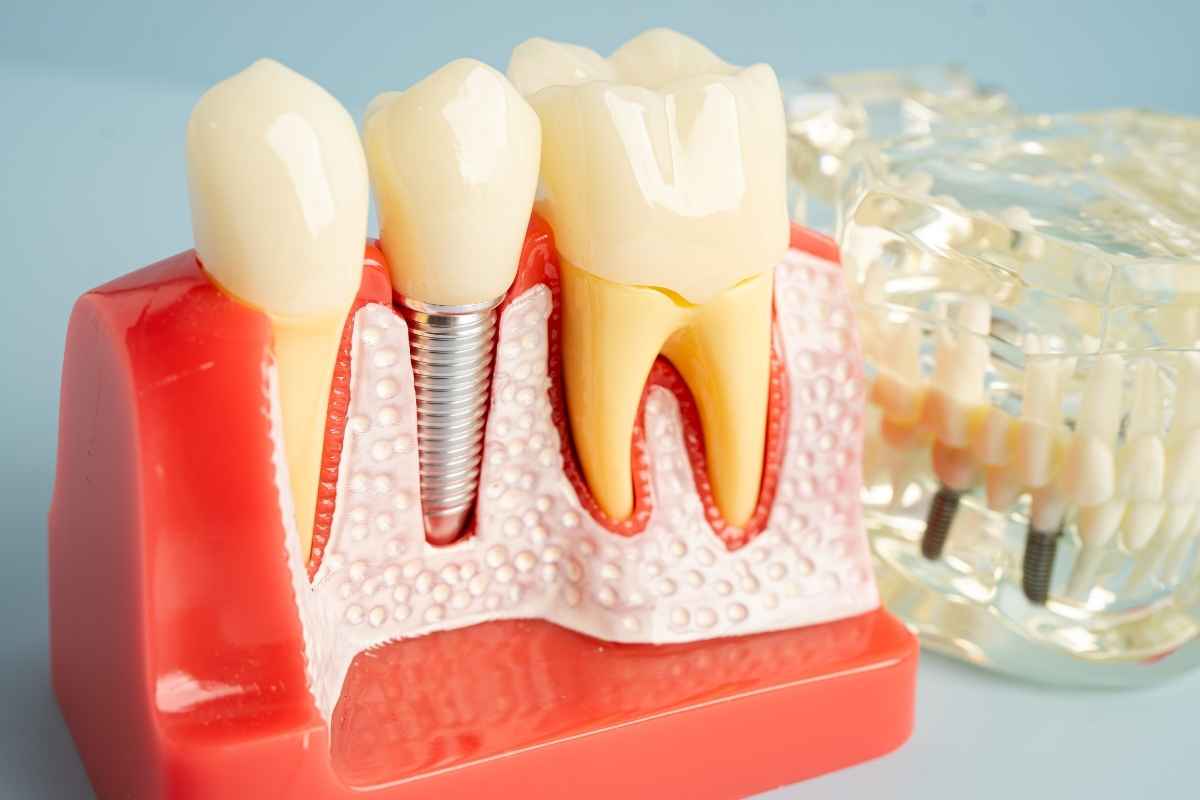
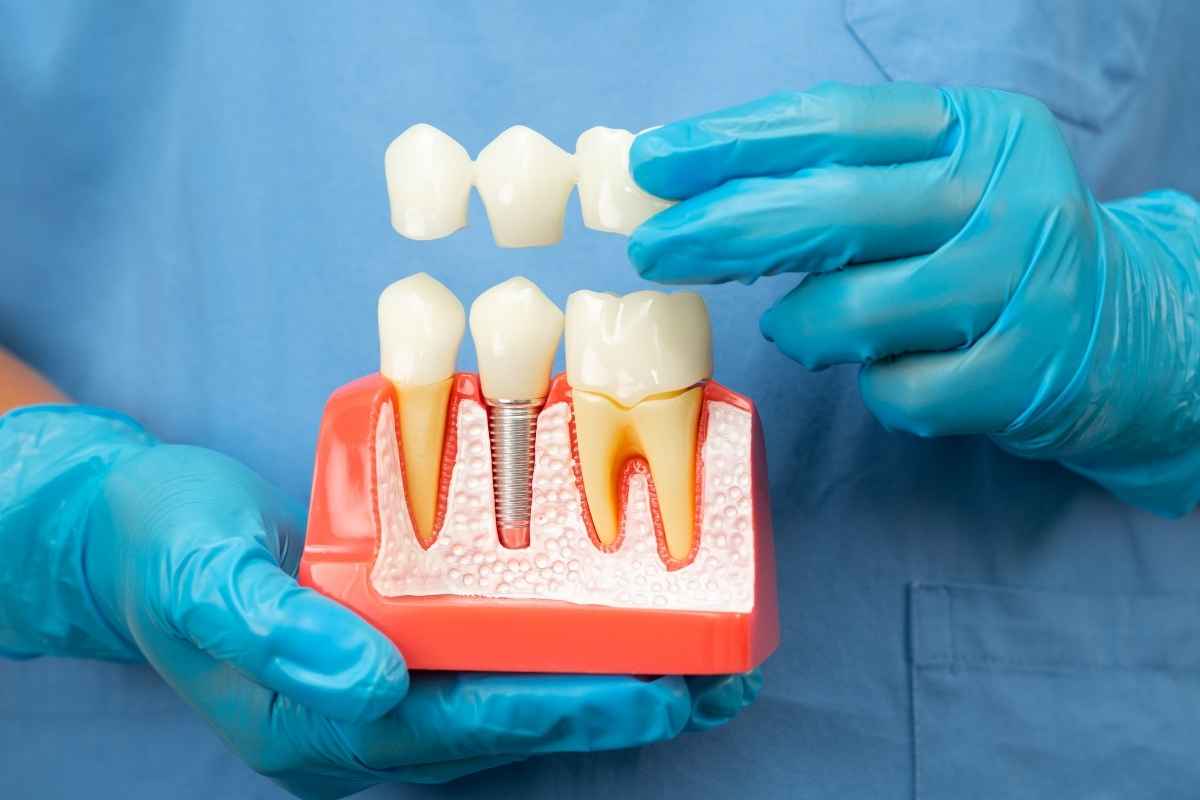
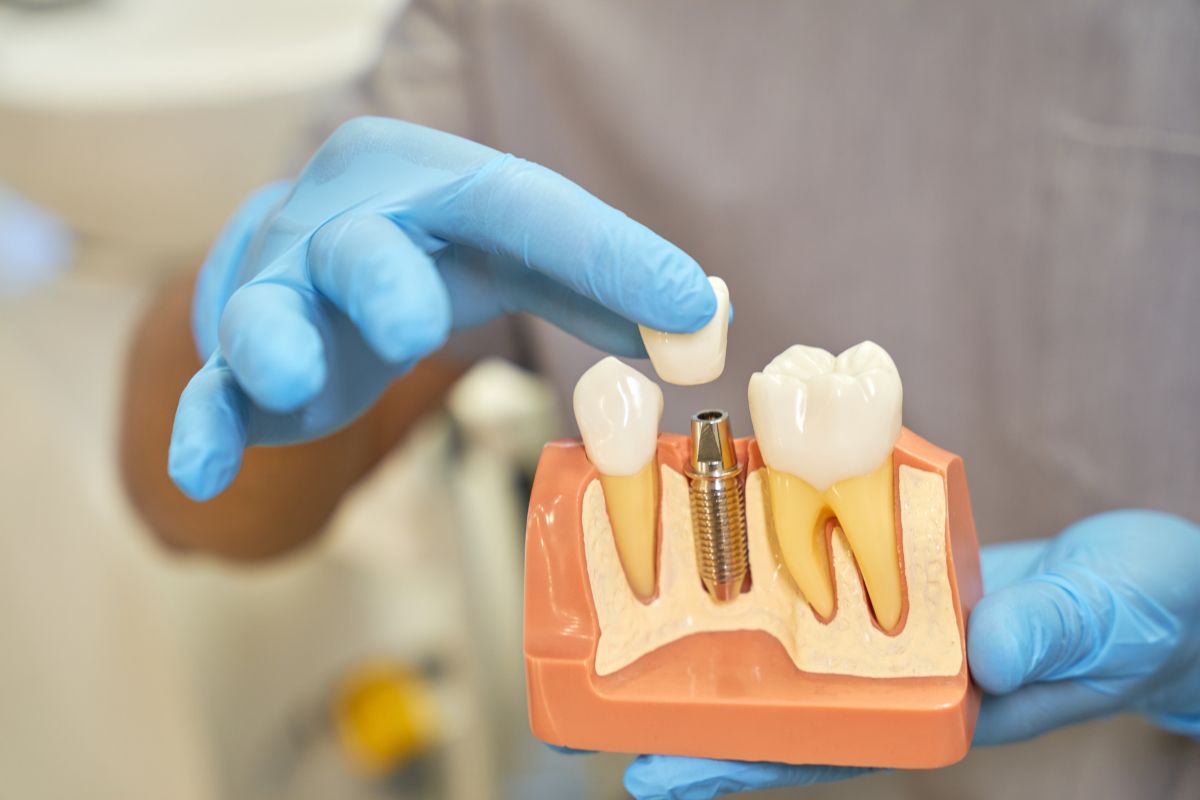
- Adjustments: If necessary, your dentist may adjust the fit of your implant or the crown that sits on top of it. Over time, minor adjustments may be required to ensure the implant remains comfortable and functional.
Why Preventative Care Is Key For Long-Term Implant Success
Tooth implants are designed to be long-lasting, but they require regular care to remain healthy. Preventive care through checkups allows your dentist to identify potential problems early and address them before they become major concerns. Regular checkups also help:
- Prevent Gum Disease: Gum disease is a leading cause of implant failure. Routine visits help catch gum disease early and ensure that your gums stay healthy.
- Ensure Implant Stability: Your dentist can check if your implants are secure and functioning properly. If an issue arises, it can be addressed promptly to prevent further complications.
- Protect the Health of Surrounding Teeth: Implants interact with surrounding teeth, and it’s important to keep the surrounding area free of plaque and decay. Regular visits ensure that the surrounding teeth and gums are healthy, supporting the longevity of your implants.
Caring for Your Implants Between Checkups
While regular dental checkups are important, your at-home care also plays a significant role in the longevity of your implants. Here are a few tips for maintaining your implants between checkups:
- Brush and Floss Regularly: Just like natural teeth, dental implants need to be brushed and flossed to keep them clean and free of plaque. Use a soft-bristled toothbrush and non-abrasive toothpaste to gently clean your implants and the surrounding gum area.
- Avoid Hard Foods: While tooth implants are strong, biting into very hard foods like ice or hard candies can cause damage. Stick to foods that won’t put excessive pressure on your implants.
- Use an Antimicrobial Mouthwash: It can help reduce plaque buildup and prevent gum disease. Ask your dentist for recommendations on which products are best for your implants.
- Be Mindful of Habits: Avoid grinding your teeth or using your teeth to open packages, as these can damage your implants and surrounding teeth.
The Benefits of Regular Dental Implant Checkups
Maintaining a regular checkup schedule with your dentist is key to prolonging the life of your dental implants. Not only do these appointments help maintain the health of your implants, but they also provide peace of mind, knowing that your smile is well cared for. By scheduling routine visits, you’re investing in the long-term success of your implants and ensuring that you continue to enjoy the benefits of a beautiful, functional smile.
If you’re looking for dental implants in Silver Spring or need to schedule a checkup, Maryland Family & General Dentistry is here to help. Contact us today to book your appointment and keep your implants and your smile healthy for years to come!
FAQs
How Often Should I Visit My Dentist For Dental Implant Checkups?
It’s recommended to visit your dentist every 6 months for a routine checkup. However, if you have any concerns or discomfort, don’t hesitate to schedule an appointment sooner.
Can I Brush My Dental Implants Like Regular Teeth?
Yes, you should brush your dental implants just like you would your regular teeth. Use a soft-bristled toothbrush and non-abrasive toothpaste to avoid damage to the implant surface.
What Should I Do If My Dental Implant Feels Loose?
If you notice that your dental implant feels loose or uncomfortable, schedule an appointment with your dentist immediately. Early intervention can help prevent more serious issues.
Are Dental Implants Prone To Cavities?
Dental implants themselves don’t get cavities, but the surrounding gums and natural teeth can still develop issues like gum disease or cavities, which is why regular checkups are important.
Can I Still Eat Hard Foods With Dental Implants?
Dental implants are strong, but it’s best to avoid biting into extremely hard foods like ice or hard candies to prevent damaging the implant or surrounding teeth.