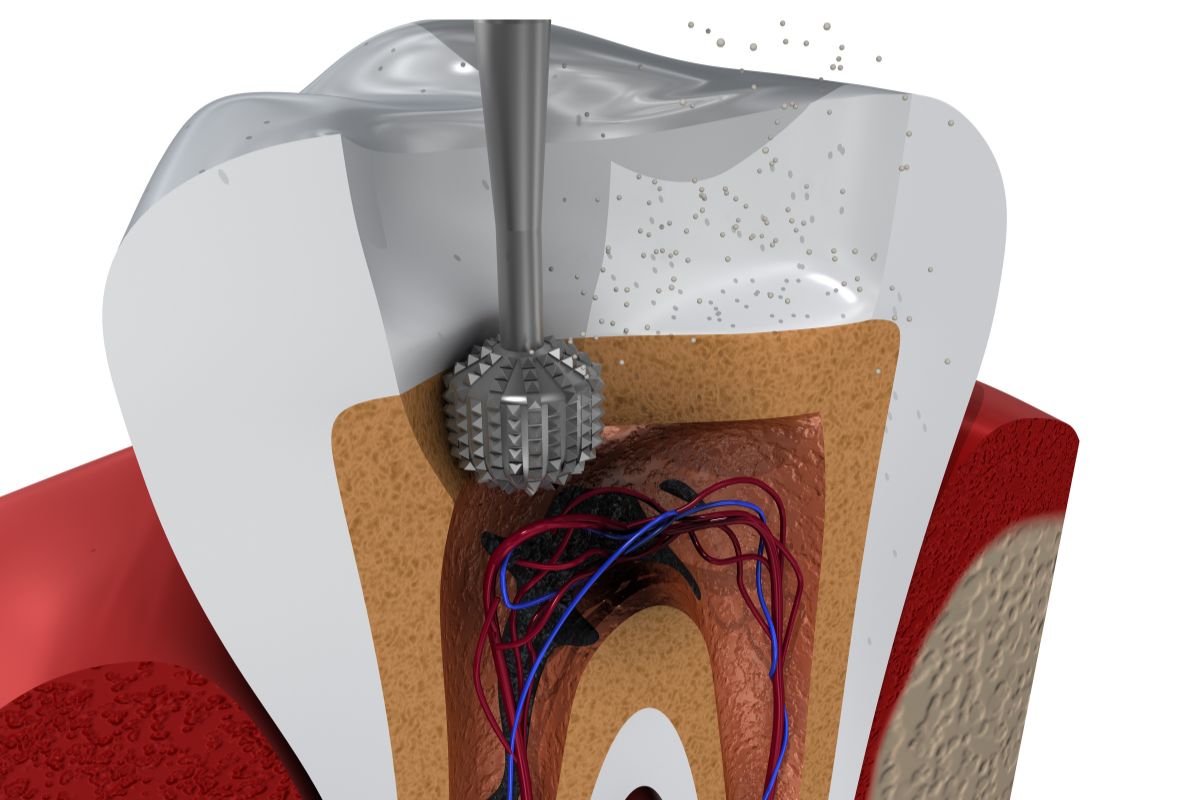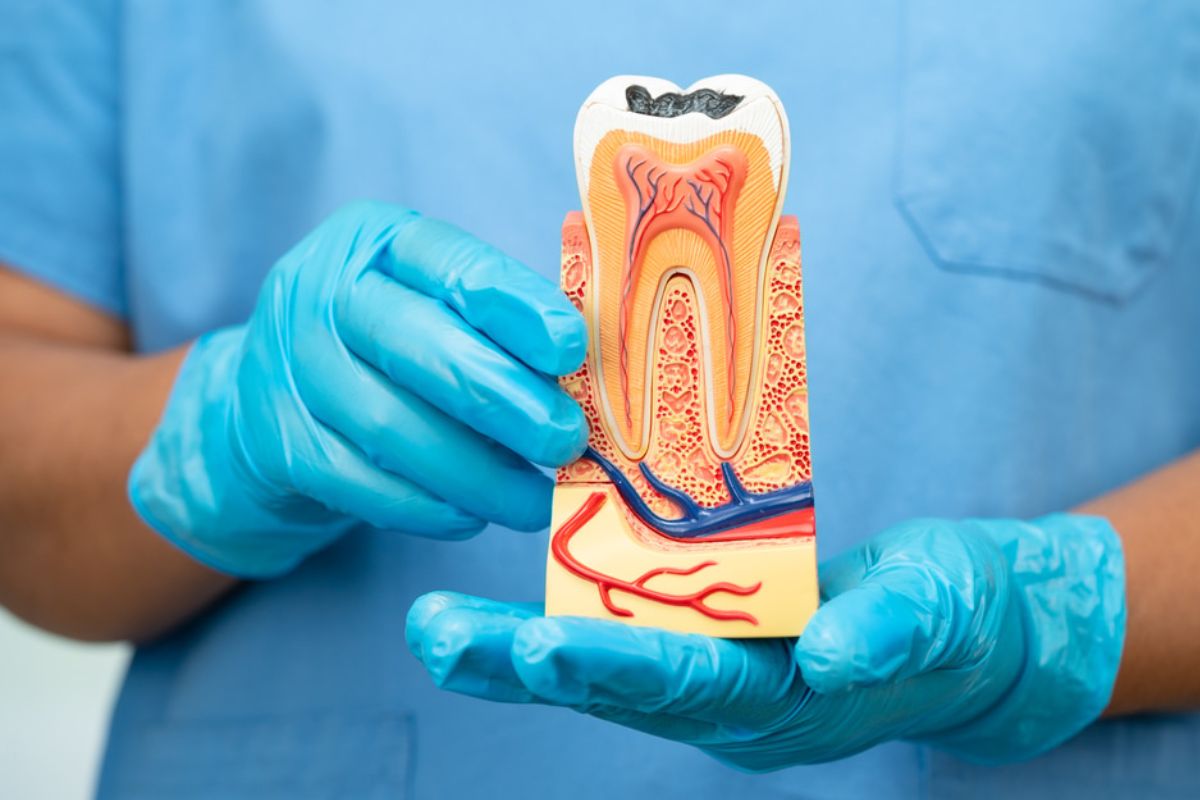



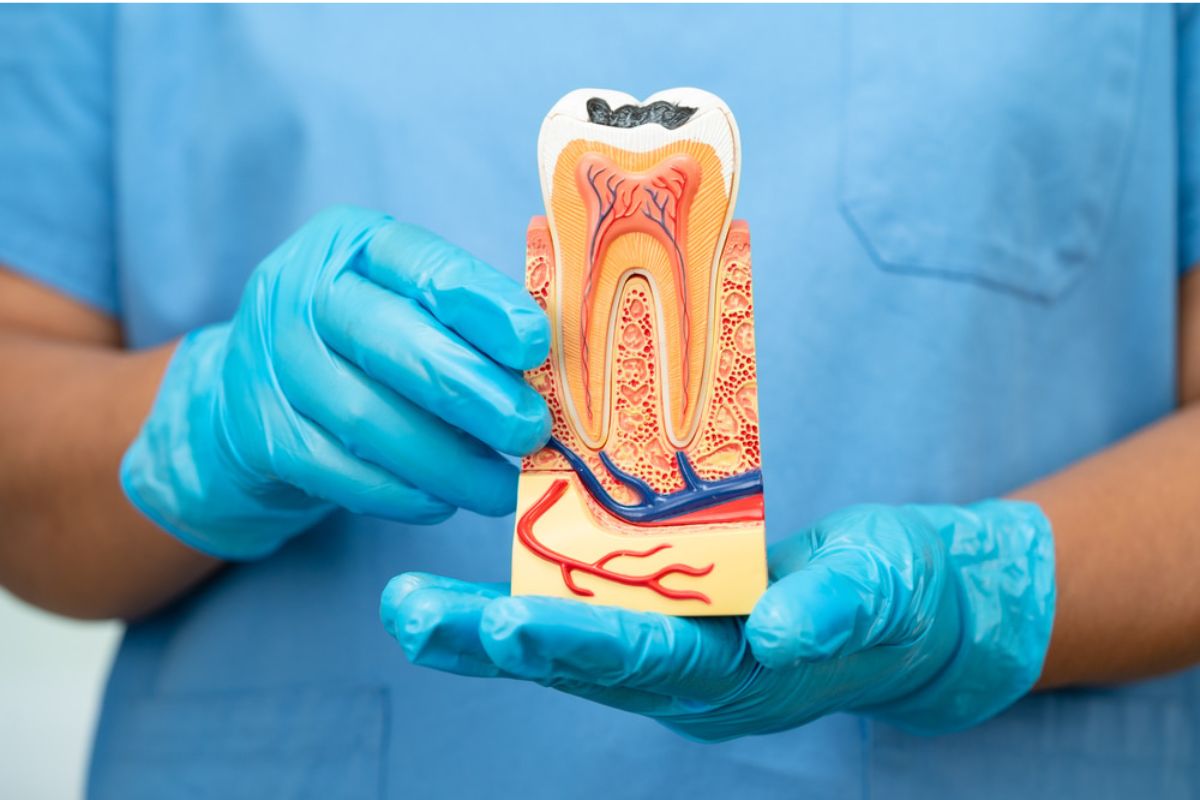
Root canal therapy has earned a reputation for being intimidating, but the reality is far less dramatic. With modern dental technology and a skilled provider, the procedure itself is often no more uncomfortable than getting a filling. What matters most is how you care for your tooth afterward. Following the right steps during your recovery can help ensure the treatment lasts—and that you stay pain-free.
If you’ve recently undergone root canal therapy in Silver Spring or are planning to soon, here’s what you need to know to support proper healing and protect your restored tooth.
1. Rest and Let Your Body Heal
While the procedure itself might be over in a single visit, the healing process takes a little more time. Right after your appointment, give yourself permission to rest. Avoid any heavy lifting or intense physical activity for the first 24 hours. Your body will use this downtime to reduce inflammation and start the healing process.
If your schedule allows, try to take the rest of the day off—especially if local anesthesia or sedation was used during the treatment. You might feel a little groggy or simply worn out. That’s normal, and temporary rest can do wonders.
2. Manage Discomfort the Right Way
Some sensitivity or soreness after a root canal is expected. Typically, this discomfort is due to the tissue around the tooth rather than the tooth itself (which no longer has a nerve). Over-the-counter pain relievers like ibuprofen or acetaminophen can ease inflammation and help you stay comfortable.
Your dentist may also prescribe medication or recommend a certain dosage based on your health history. Stick to these instructions closely and avoid switching medications without checking in first.
3. Avoid Hard or Crunchy Foods
Your tooth will likely be sealed with a temporary filling until your final crown is placed. In the meantime, it’s important to treat that area gently. That means no hard nuts, sticky candy, or crunchy chips. Even things like raw carrots or crusty bread can cause discomfort or disturb the healing area.
Stick to soft foods for the first few days—soups, smoothies, mashed potatoes, yogurt, scrambled eggs. Chew on the opposite side of your mouth and take smaller bites. Your comfort will guide you, so pay attention to how things feel.
4. Keep Your Mouth Clean
Cleanliness is key to avoiding complications. While you’ll want to avoid brushing too aggressively around the treated area for the first day or two, maintaining overall oral hygiene is still essential. Brush gently with a soft-bristled toothbrush and rinse with warm salt water to reduce bacteria and promote healing.
Avoid using mouthwash with alcohol during this period—it may irritate the area. And don’t skip flossing altogether. Just be extra gentle around the affected tooth.
5. Attend Follow-Up Appointments
Your recovery isn’t fully complete until the permanent restoration—usually a dental crown—is placed. This final step protects your tooth from further damage and restores full chewing ability. Skipping or delaying this appointment can compromise your results, even if the discomfort has gone away.
If you’re unsure when your follow-up is scheduled, call the office and confirm. Prompt placement of your crown ensures long-term success and helps prevent the tooth from cracking or reinfection.
6. Watch for Unusual Symptoms
Some sensitivity is normal, especially if you’re dealing with some post-operative swelling. However, if pain worsens after a few days, or if you notice things like a foul odor, discharge, visible swelling, or fever, it’s time to contact your dentist right away.
These could be signs of an infection or another issue that needs to be addressed quickly. When it comes to root canal recovery, trust your instincts—if something feels off, don’t wait it out.
7. Stay Hydrated and Avoid Smoking
Drinking plenty of water supports your body’s natural healing and helps flush away bacteria. On the other hand, smoking can delay healing and increase your risk of complications. The chemicals in tobacco products restrict blood flow and impair your immune response.
If you smoke, try to at least refrain for a few days after your procedure. Better yet, use this opportunity as a reason to consider quitting for good. Your mouth—and your overall health—will benefit in countless ways.
8. Long-Term Care Matters
Once your root canal recovery is complete, the real work begins: maintaining your restored tooth and overall oral health. That means brushing twice daily, flossing regularly, and continuing with professional cleanings and checkups.
If you received root canal therapy in Silver Spring, be sure your provider tracks your healing and monitors the area during routine visits. With the right care, your treated tooth can last for many years—possibly a lifetime.
Final Thoughts
Recovering from a root canal doesn’t have to be a painful or frustrating experience. With the right steps, most people return to their normal routine within a day or two—and enjoy long-term relief from the infection or discomfort that led them to seek treatment in the first place.
Whether you’re facing your first root canal or have already completed the procedure, following these aftercare tips will make your recovery smoother and help ensure your treatment is a long-term success. If you’re searching for guidance on root canal therapy in Silver Spring, make sure to choose a provider who not only performs the procedure skillfully but also supports you every step of the way through recovery.