


When most people think about improving their smile, they focus on appearance. However, the true value of these procedures goes beyond looks. A trained cosmetic dentist in Germantown can enhance strength, balance, and long-term stability while improving aesthetics. Modern smile enhancements are designed to protect natural structure, improve bite alignment, and support daily comfort.
In a community where outdoor concerts, spring festivals, and summer gatherings bring neighbors together, confidence matters. But so does function. Being able to chew comfortably, speak clearly, and smile without discomfort improves quality of life year-round.
How Do Cosmetic Dental Treatments Improve Oral Functions?
Cosmetic dental treatments are often associated with appearance, but their true impact becomes clear in everyday function. Small structural corrections can influence how comfortably you chew, how evenly your bite distributes pressure, and how efficiently your teeth work together. Even minor adjustments may prevent long-term wear and reduce unnecessary strain on surrounding teeth.
The benefits extend beyond aesthetics. Below are the key ways these treatments can strengthen performance, protect natural structure, and improve daily comfort.
1. Strengthening Weakened Tooth Structure
Chipped, worn, or thin enamel reduces durability. Reinforcement restores stability and prevents further breakdown.
Functional advantages include:
- Improved resistance to cracks and fractures
- Even distribution of chewing pressure
- Protection of inner tooth layers
- Reduced sensitivity to temperature
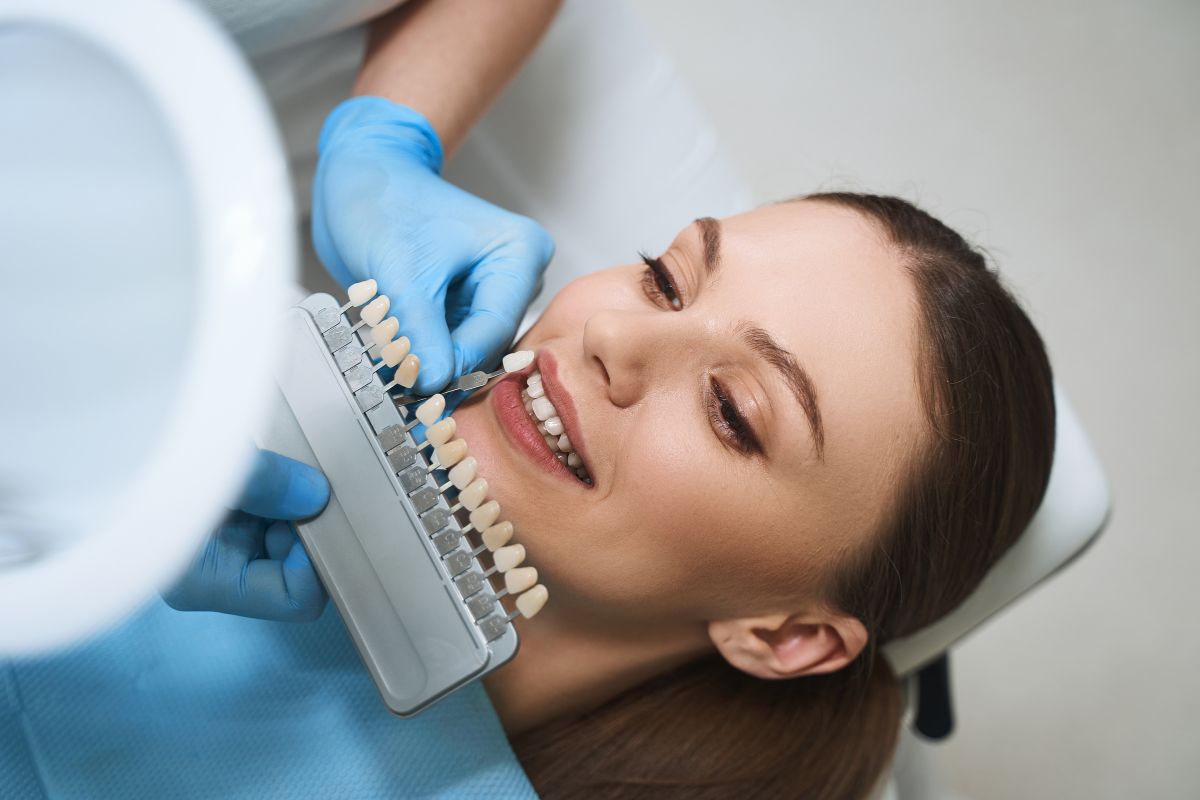
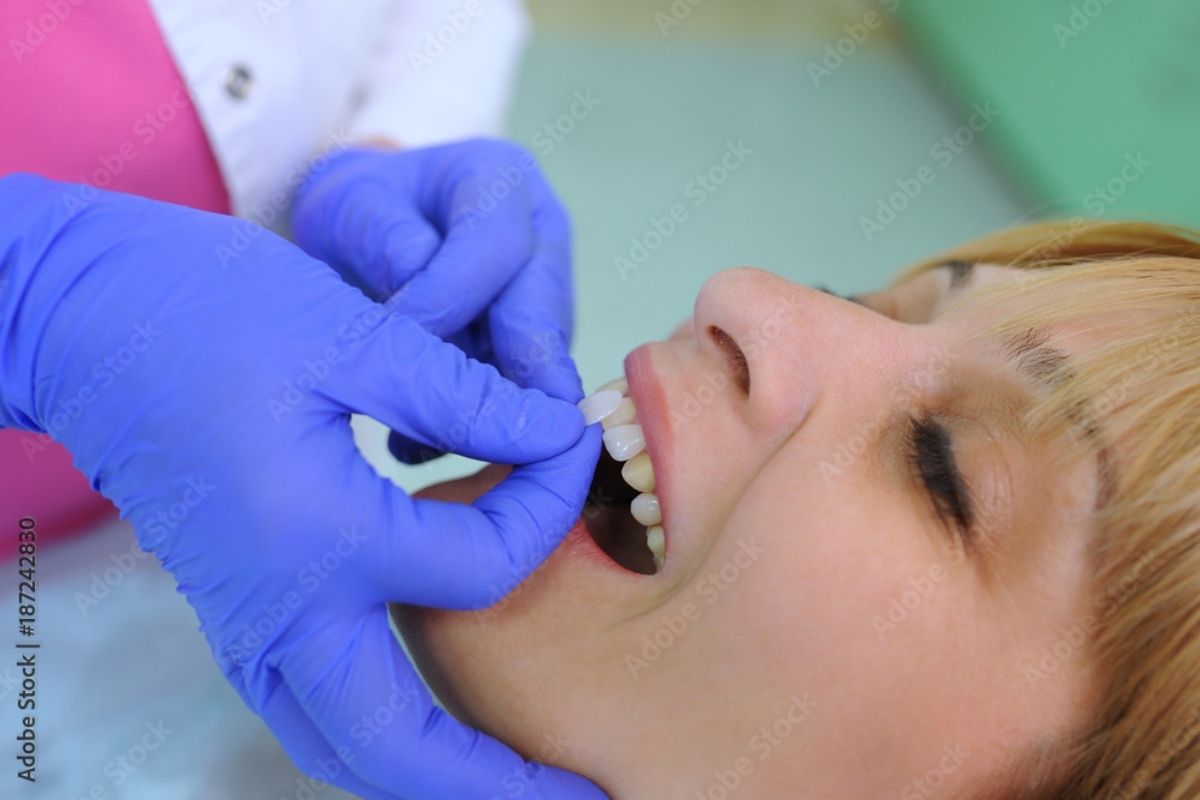
Patients often research the best porcelain veneers for chipped teeth because veneers strengthen weakened tooth structures while restoring natural contours. Modern ceramics mimic enamel and provide lasting durability when properly placed.
2. Restoring Bite Balance
An uneven bite creates excessive force on certain teeth. Over time, this leads to wear patterns, discomfort, and jaw strain.
Corrective procedures help:
- Align upper and lower teeth more evenly
- Reduce pressure on specific contact points
- Minimize jaw muscle tension
- Improve overall chewing efficiency
Many individuals explore teeth reshaping and contouring to correct minor crowding or uneven edges. Even small adjustments by a cosmetic dentist in Germantown can eliminate interference points and restore functional harmony.
For active community residents who participate in seasonal activities year-round, bite balance supports long-term durability.
3. Preventing Progressive Damage
Minor imperfections often worsen if ignored. Small cracks expand under repeated pressure. Surface damage allows bacteria to penetrate deeper layers.
Functional improvements provide:
- Sealing of vulnerable enamel
- Reinforcement of weak areas
- Reduced risk of structural failure
- Long-term preservation of natural teeth
When bite balance is restored, restorations protect rather than strain surrounding teeth. This preventive approach reduces the likelihood of extensive restorative procedures later.
4. Improving Chewing Efficiency
Teeth must meet evenly to function properly. Worn or uneven surfaces interfere with smooth chewing.
Enhancements can:
- Restore proper contact between arches
- Improve food breakdown during chewing
- Reduce uneven wear
- Enhance daily comfort while eating
Replacing damaged edges restores natural anatomy. Reinforcing enamel decreases sensitivity. Functional contouring improves performance during everyday meals.
5. Supporting Speech Clarity
Teeth influence pronunciation. Gaps, uneven edges, or alignment issues affect tongue placement.
Smile refinements may:
- Improve articulation
- Reduce air leakage during speech
- Enhance clarity in certain sounds
Balanced positioning allows smoother, more natural speech patterns.
6. Encouraging Better Hygiene
Crowded or irregular surfaces trap plaque. Smoother alignment makes daily care easier.
Functional improvements help:
- Simplify brushing and flossing
- Reduce plaque accumulation
- Support healthier gums
- Lower long-term inflammation risk
Many patients researching professional teeth whitening results timeline learn that underlying health must be stable first. Brightening procedures often begin with a structural evaluation to ensure safety and durability.
When patients consult a cosmetic dentist in Germantown, treatment plans frequently emphasize maintainability along with aesthetics.
Comprehensive Evaluation Before Any Cosmetic Treatment
Functional cosmetic dentistry begins with a detailed assessment. Before recommending veneers, bonding, or contouring, your dentist evaluates:
- Bite alignment and occlusion
- Jaw joint health
- Signs of grinding or clenching
- Enamel thickness
- Existing restorations
- Structural weaknesses
Where Function And Beauty Come Together
Cosmetic dentistry should never be limited to appearance alone. When properly planned, it reinforces enamel, balances bite forces, reduces strain on surrounding teeth, and supports long-term oral stability. A smile that looks refined but also functions smoothly during meals, conversations, and daily activities offers true value.
At Maryland Family & General Dentistry, treatment plans are designed with both aesthetics and structural integrity in mind. Every enhancement is guided by careful evaluation, precise alignment, and long-term preservation of your natural teeth. Schedule an appointment for your smile enhancement.
If you are considering cosmetic improvements, choose care that protects as much as it perfects. A confident smile should not only look beautiful — it should feel strong, balanced, and dependable every single day.
FAQ
1. Are cosmetic dental procedures permanent?
Most cosmetic treatments are long-lasting but not technically permanent. Their durability depends on material strength, bite alignment, oral hygiene, and habits such as grinding or clenching.
2. Do veneers damage your natural teeth?
Veneers require minimal enamel reshaping to ensure proper fit and bonding. When carefully planned and maintained, they protect the underlying structure rather than weaken it.
3. Can cosmetic dentistry fix bite problems?
Certain cosmetic procedures can correct minor bite discrepancies by reshaping or reinforcing tooth surfaces. More complex misalignment, however, may require orthodontic or functional treatment before cosmetic refinement.
4. Is cosmetic dentistry safe for enamel?
Modern techniques prioritize conservative preparation to preserve enamel whenever possible. Advanced bonding systems and digital planning help maintain structural integrity while improving appearance.
5. How long does it take to recover from cosmetic dental procedures?
Recovery varies depending on the procedure and the extent of structural modification. Most minimally invasive treatments involve little downtime, though temporary sensitivity may occur as teeth adjust.