



The holidays bring joy, lights, and tables full of treats. Candy bowls appear everywhere. From soft caramels to hard mints, sugar is part of the season. Many families do not think about dental health until pain starts. A visit to a dentist in Germantown can help prevent problems, but knowing how candy affects your teeth matters just as much.
Sugar feeds bacteria in the mouth. These bacteria make acid. Acid wears down enamel. Enamel does not grow back. Once it is damaged, cavities can form. During Christmas, candy is often eaten many times a day, not just at meals. This keeps acid on the teeth longer and raises the risk of decay.
Why Christmas Candy Is Tough on Teeth
Candy is made to last in the mouth. Sticky candy clings to teeth. Hard candy dissolves slowly. Chewy candy hides in grooves. Each type brings risk.
When sugar stays on teeth, bacteria stay active. Acid attacks enamel for about 20 minutes after each bite. If candy is eaten all day, teeth face acid all day.
Children are at higher risk. Their enamel is still growing. Adults face risk too. Fillings, crowns, and exposed roots can trap sugar and bacteria.
Types of Candy That Cause the Most Damage
Not all candy harms teeth in the same way. Some are worse than others.
Sticky candy
Caramels, gummies, and taffy stick to teeth. They are hard to wash away with saliva. Sugar stays trapped.
Hard candy
Lollipops and mints melt slowly. This bathes teeth in sugar for a long time. Biting hard candy can also crack teeth.
Sour candy
These have both sugar and acid. Acid softens enamel. Sugar feeds bacteria. This combo speeds damage.
Chocolate
Plain chocolate melts fast. It washes away quicker than sticky candy. It is still sugar, but less harmful than gummies.
How Candy Leads to Cavities
Cavities do not form overnight. They build over time.
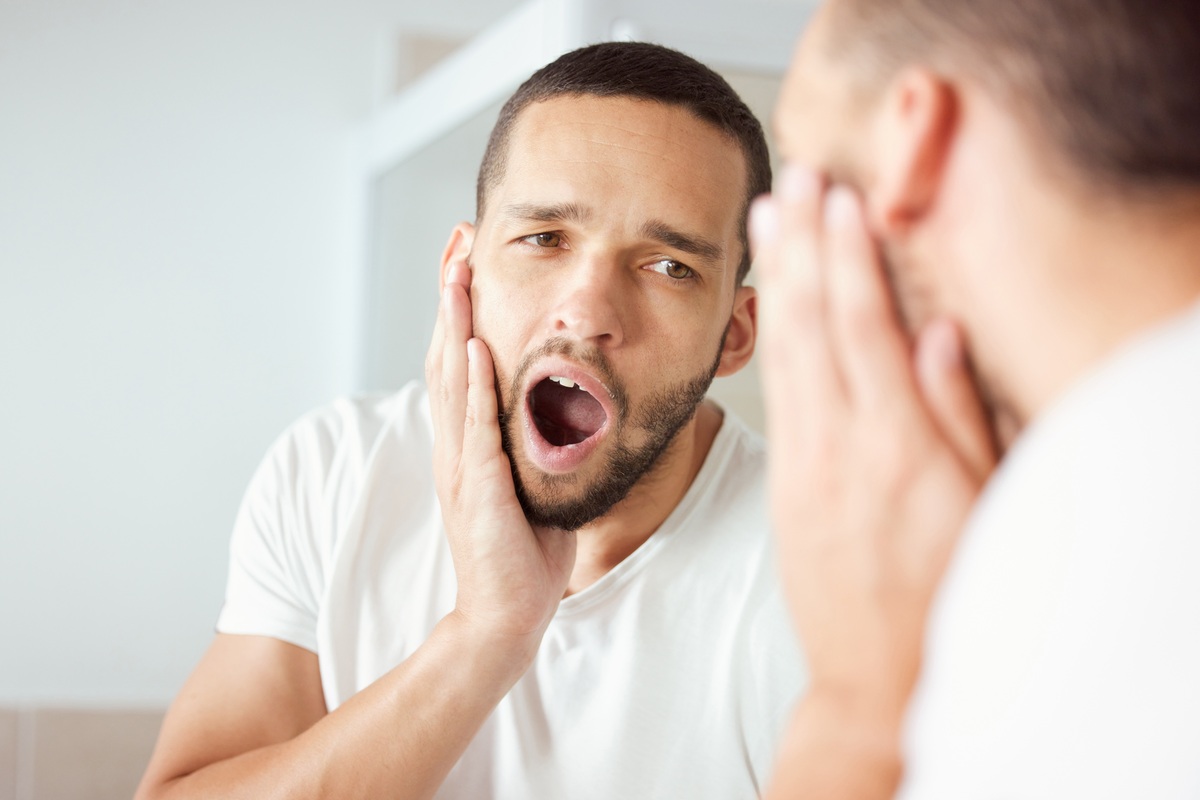
First, plaque forms. Plaque holds bacteria. When sugar enters the mouth, bacteria feed. Acid forms. Enamel weakens. Small holes begin. If ignored, holes grow. Pain starts. Infection can follow.
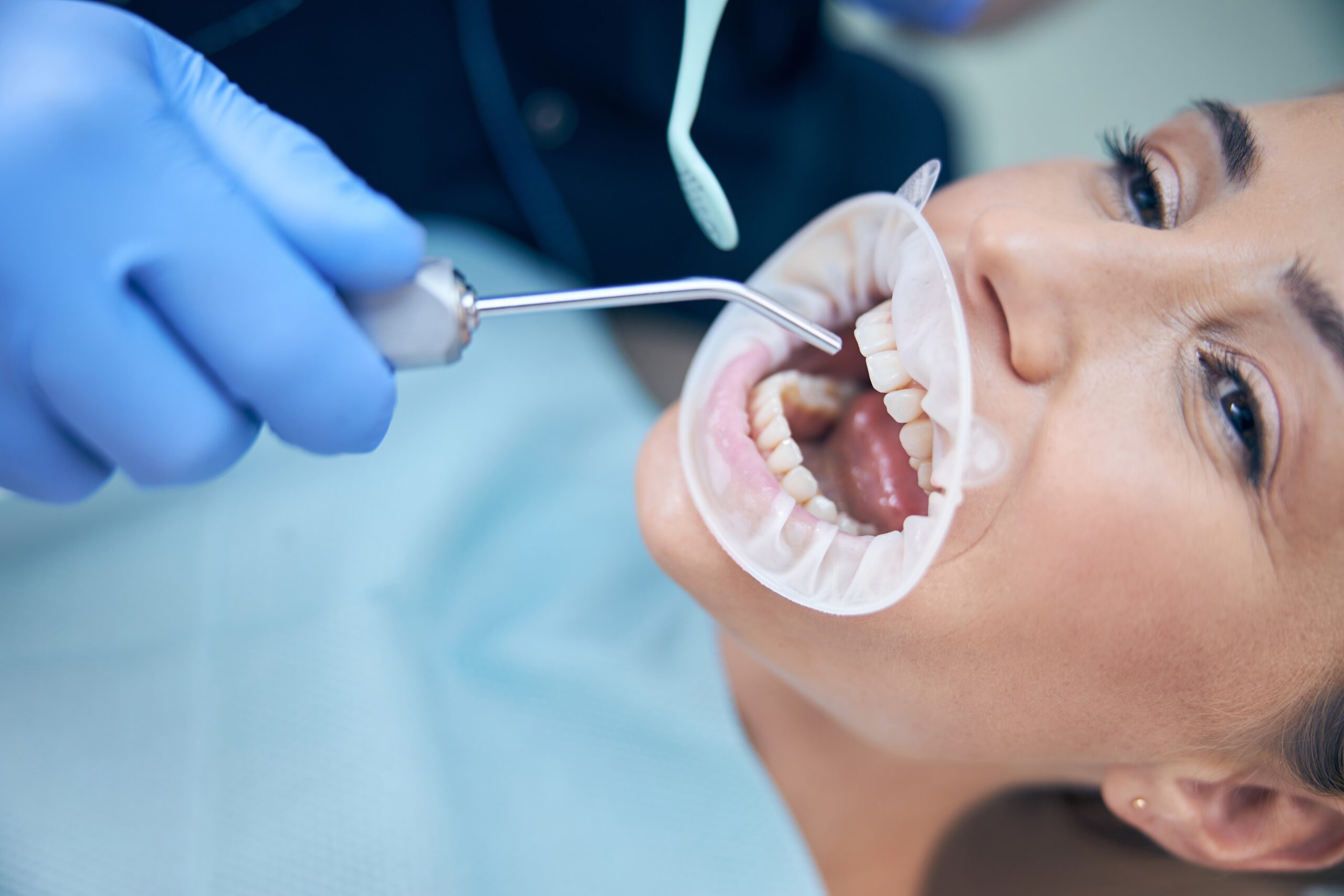
Seeing a dentist in Germantown for cleanings removes plaque before it hardens into tartar. Clean teeth resist decay better.
Holiday Habits That Make Things Worse
Candy is not the only problem. Habits matter.
Snacking often keeps acid active. Skipping brushing at night leaves sugar on teeth for hours. Dry mouth from cold weather or stress reduces saliva. Saliva protects teeth.
Late nights and travel also disrupt routines. Brushing gets rushed. Flossing gets skipped. These small lapses add up.
Smart Ways to Enjoy Candy Safely
You do not have to avoid candy fully. Balance helps.
Eat candy with meals. Saliva flow is higher then. Rinse with water after sweets. Brush twice a day. Floss once a day. Wait 30 minutes after sour candy before brushing. Enamel needs time to harden.
Sugar free gum helps. It boosts saliva and clears debris.
Dental Insight
Dr Jamaad Abdi explains that most holiday dental issues come from habits, not one treat. Small changes protect teeth. Regular cleanings before or after the holidays help catch problems early. Care stays simple when damage is small.

A Patient’s Real Experience
Maribel R R shared her visit story:
My first visit to Maryland Family & General Dentistry felt like coming to an old friend’s home. Staff were friendly and helpful and quick to assist. Dr. Abdi spent time explaining course of services and details of my dental treatment. Yadi is friendly and professional. I highly recommend this dental office in Germantown to all whom are seeking quality dental services. Maribel R R
See what our patients share about their experience
Why Routine Dental Visits Matter After the Holidays
Even with good habits, candy leaves traces. Plaque can harden into tartar. Tartar cannot be removed at home. Cleanings remove buildup. Exams spot weak enamel early.
A dentist in Germantown can also guide parents on kids’ care. Sealants and fluoride help protect young teeth during high sugar seasons.
FAQs
Does candy cause cavities right away?
No. Cavities form over time with repeated sugar exposure.
Is brushing right after candy safe?
Wait 30 minutes, especially after sour candy.
Which candy is safest for teeth?
Plain chocolate melts fast and clears easier.
Can flossing really help after candy?
Yes. It removes sugar trapped between teeth.
Do kids need dental visits after holidays?
Yes. Early checks prevent future pain.
Does sugar free candy protect teeth?
It lowers risk but still may contain acids.
How often should I see a dentist?
Most people benefit from visits every six months.
Simple Holiday Dental Checklist
Brush morning and night.
Floss daily.
Drink water often.
Limit all-day snacking.
Schedule a dental visit.
These steps reduce risk without stress.
Final Thoughts
Christmas candy is part of the season. Joy matters. So does health. Sugar affects teeth more than many people realize. Knowing the risks helps families make better choices.
Seeing a dentist in Germantown keeps small issues from growing. Cleanings, exams, and guidance protect smiles long after the holidays end.
If your smile has faced extra sweets this season, now is a good time to act. Schedule a dental visit and start the new year with healthy teeth and peace of mind.