


Dental implants help many people bring back strong chewing, a natural look, and better comfort. They work well when the bone and gums can heal as they should. This is why smoking has a major impact on treatment. A patient who wants dental implants Germantown should understand how smoke, heat, and chemicals change the way the body repairs itself. When you know these risks, you can take steps that help protect your smile.
Why Healing Matters for Dental Implants
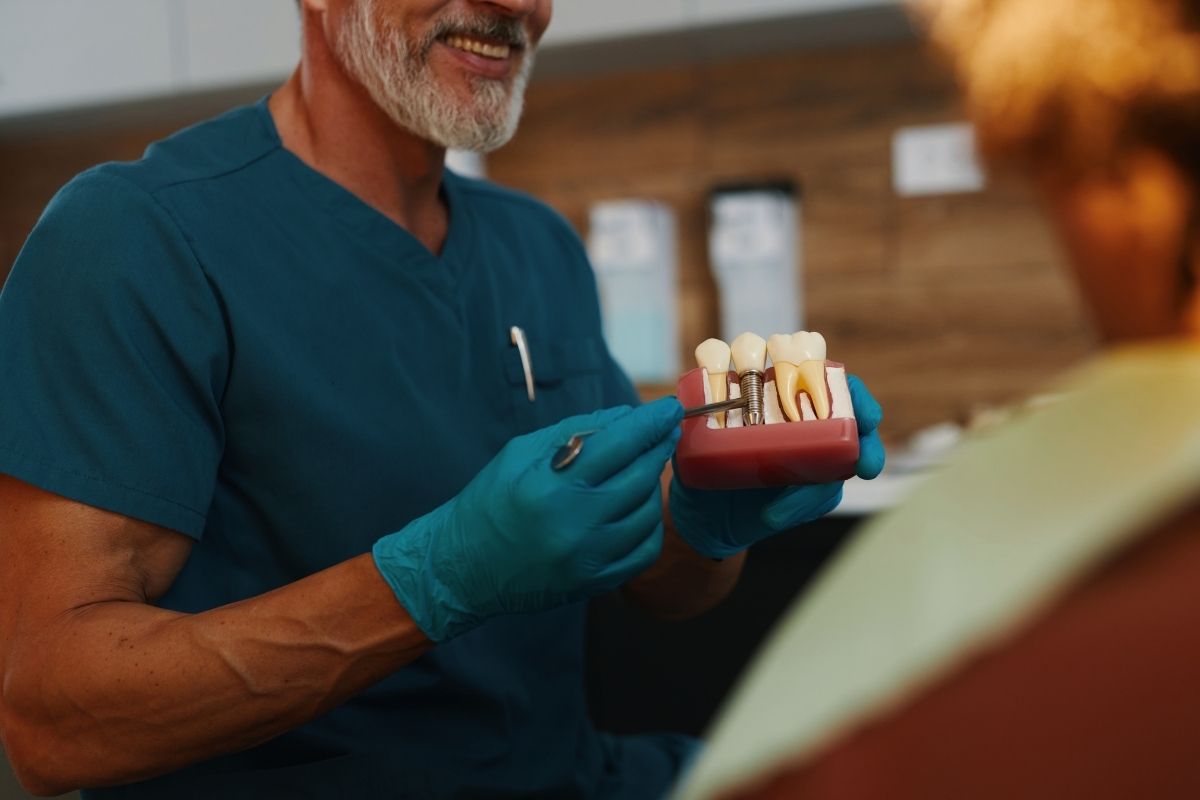
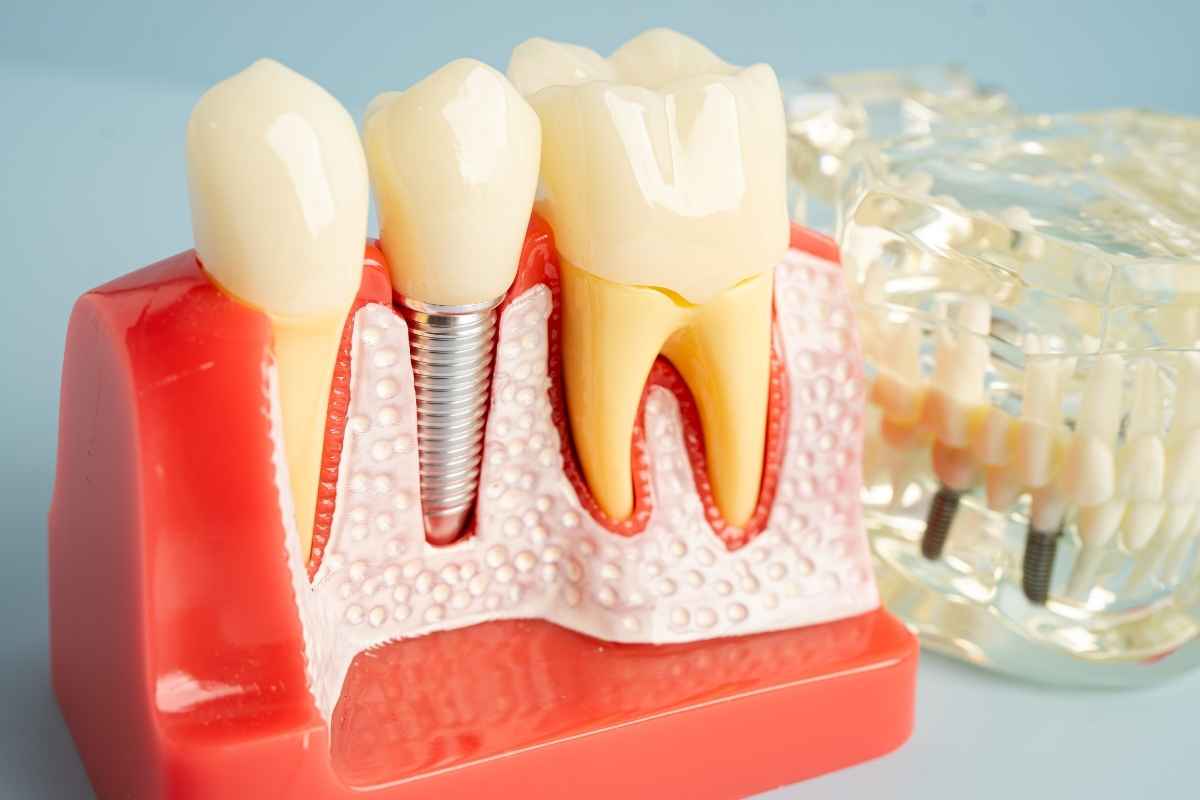
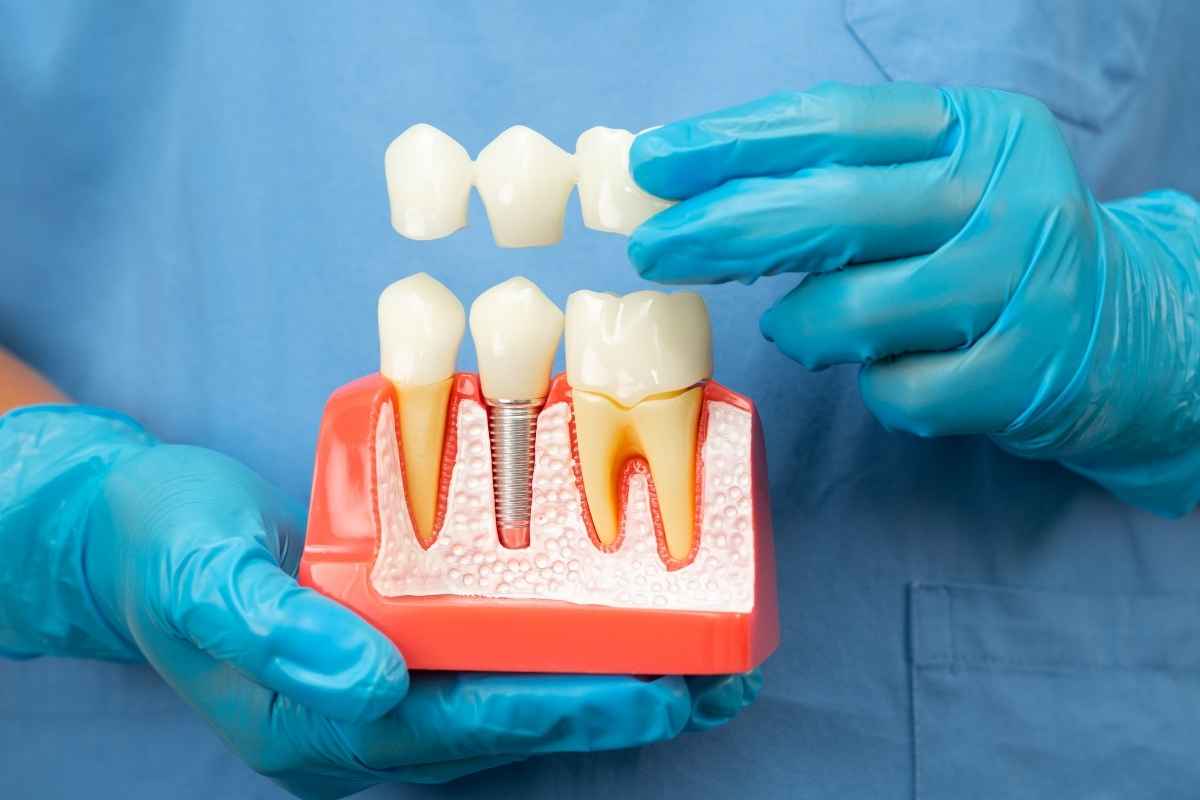
A dental implant has a small post that goes into the bone. The bone joins with this post over time. This joining keeps the implant steady. Your body must have good blood flow, healthy tissue, and enough oxygen for this to happen. When anything slows healing, the implant becomes weak.
Smoking affects all of these steps. The heat, chemicals, and nicotine in smoke make it harder for the bone to stay strong. Smokers often face more problems during healing. This may cause the implant to move or fail.
If you plan to get dental implants Germantown, learning about this risk now can help you decide how to prepare for treatment.
How Smoking Changes the Mouth
1. Slower Blood Flow
Healthy blood flow brings oxygen to the bone and gums. It also brings the cells that help the bone grow around the implant. Smoking makes blood vessels smaller, which slows this flow. When this happens, your bone does not get what it needs to keep the implant firm.
2. Higher Chance of Infection
Smoke weakens the cells that fight germs. When these cells do not work well, the gums can get infected. Implants sit close to gum tissue, so this is a major concern. Gum infection can loosen the bone around the implant and cause pain.
If you smoke and want dental implants Germantown, talk to your dentist about infection risks and how to lower them.
3. Dry Mouth
Smoking makes the mouth dry. Saliva protects teeth and gums. It washes away germs and keeps the tissue moist. When the mouth stays dry, germs grow faster. This raises the chance of gum problems and slows healing after surgery.
4. Bone Loss Over Time
Nicotine affects bone cells. Over time, smokers may lose more bone in the jaw. Dental implants need strong bone to stay in place. Bone loss makes long-term success harder.
5. Slow Tissue Repair
Healthy gums are important for a stable implant. Smoking slows gum repair. If the gums take longer to heal, the tissue around the implant can stay weak. This makes the implant more likely to fail.
Signs Smoking Is Affecting Implant Healing
Some signs are easy to notice. Others require a dental exam. Here are some common things smokers may see:
- Red or swollen gums
- Bleeding while brushing
- Pain that does not improve
- Bad taste in the mouth
- Loose gum tissue
- A “loose” feeling near the implant
If you notice these problems, reach out to your dental team. Early care can prevent bigger issues.
When You Should Stop Smoking for Better Implant Success
Dentists often suggest stopping smoking before and after the implant procedure. Even a short break can help your body heal better. Many patients stop smoking:
- Two weeks before implant surgery
- While the implant heals
- Two weeks after the final crown is placed
This gives the bone and gums time to repair without the stress of smoke and heat. If you smoke now and want dental implants Germantown, talk to your dentist about a plan to help you succeed.
Simple Steps to Protect Your Implant Results
1. Keep Your Mouth Clean
Brush two times a day and clean between your teeth once a day. A clean mouth helps lower the chance of infection. A soft brush is gentle on healing gums.
2. Drink More Water
Water helps keep the mouth moist. It also washes away germs. Smokers often face dry mouth, so sipping water through the day is important.
3. Use a Dentist-Approved Rinse
Some rinses help lower germs in the mouth. Use one your dentist suggests. Do not use strong rinses too often, as they may dry the mouth.
4. Follow All Post-Procedure Instructions
After you get implants, your dentist will give healing steps. Follow them closely. These steps protect the area and help the bone join with the implant.
5. Attend All Checkups
Regular visits help your dentist watch how the implant is healing. Even when you feel fine, the exam can show early changes that need care.
How Maryland Family & General Dentistry Supports Patients
While this article is not promotional, it is worth noting that any dental team guiding you through implant care will look at your full health picture. They will ask about smoking, medical history, and gum health. This helps create a safe and effective treatment plan.
If smoking is part of your life now, your dentist may offer support and steps that improve your chances of success. You do not need to be perfect. Even small changes can help.
Mid-Article Call to Action
If you’re thinking about dental implants Germantown, take a moment to look at your daily habits. Ask yourself how you can support your healing. A simple reach-out to your dentist can help you understand what steps fit your needs.
Why Smokers Still Choose Dental Implants
Many smokers still choose implants because they want strong teeth and better comfort. Implants give better chewing than dentures. They also help protect the bone in the jaw. Even with the risks, some patients still see implants as the best choice.
If you smoke, you are not alone. Your dentist will help you understand what steps can make the treatment safer for you. You can still have good results with the right plan.
Frequently Asked Questions
1. Can smokers get dental implants?
Yes, but the risks are higher. Healing may be slower, and implant failure is more common in smokers.
2. How long should I stop smoking before implant surgery?
Most dentists suggest stopping two weeks before surgery. Even a short break helps the bone heal.
3. What happens if I keep smoking after getting implants?
You may face gum infection, bone loss, slower healing, and a higher chance of failure.
4. Will vaping affect dental implants?
Yes. Vaping still has nicotine, heat, and chemicals that slow healing.
5. How do I know if my implant is failing?
Look for pain, swelling, bleeding, or a loose feeling. Contact your dentist if you notice changes.
6. Can dry mouth from smoking hurt my implants?
Yes. Dry mouth makes it easy for germs to grow, which raises infection risk.
7. Can quitting smoking help my implant last longer?
Yes. Stopping smoking or reducing it helps protect the bone and gums.
Conclusion
Dental implants give many people a strong, natural way to replace missing teeth. If you smoke, understanding how it affects healing can help you make the best choices for your mouth. The steps you take now can help protect the implant and support long-lasting results.
If you live in Germantown and want to learn more about treatment, reach out to your dental team. Ask questions. Share your habits. A simple talk can help you understand the best plan for safe and strong healing.