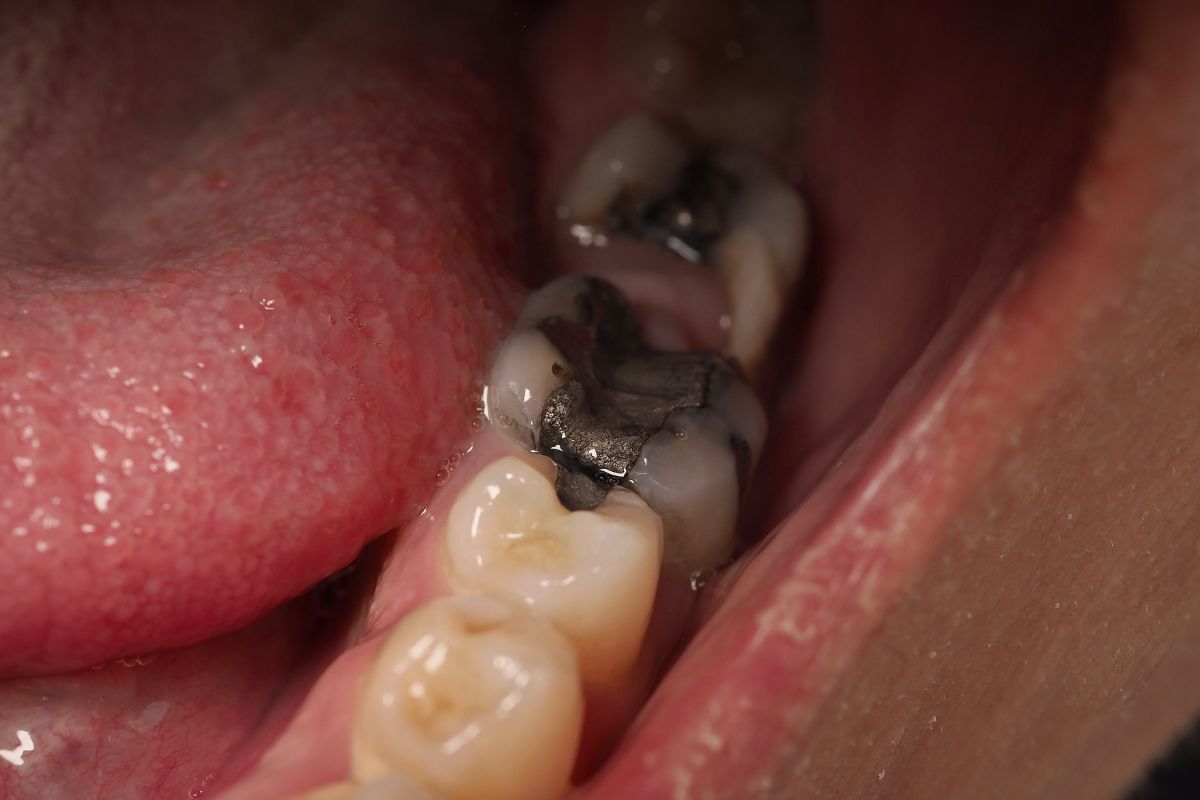



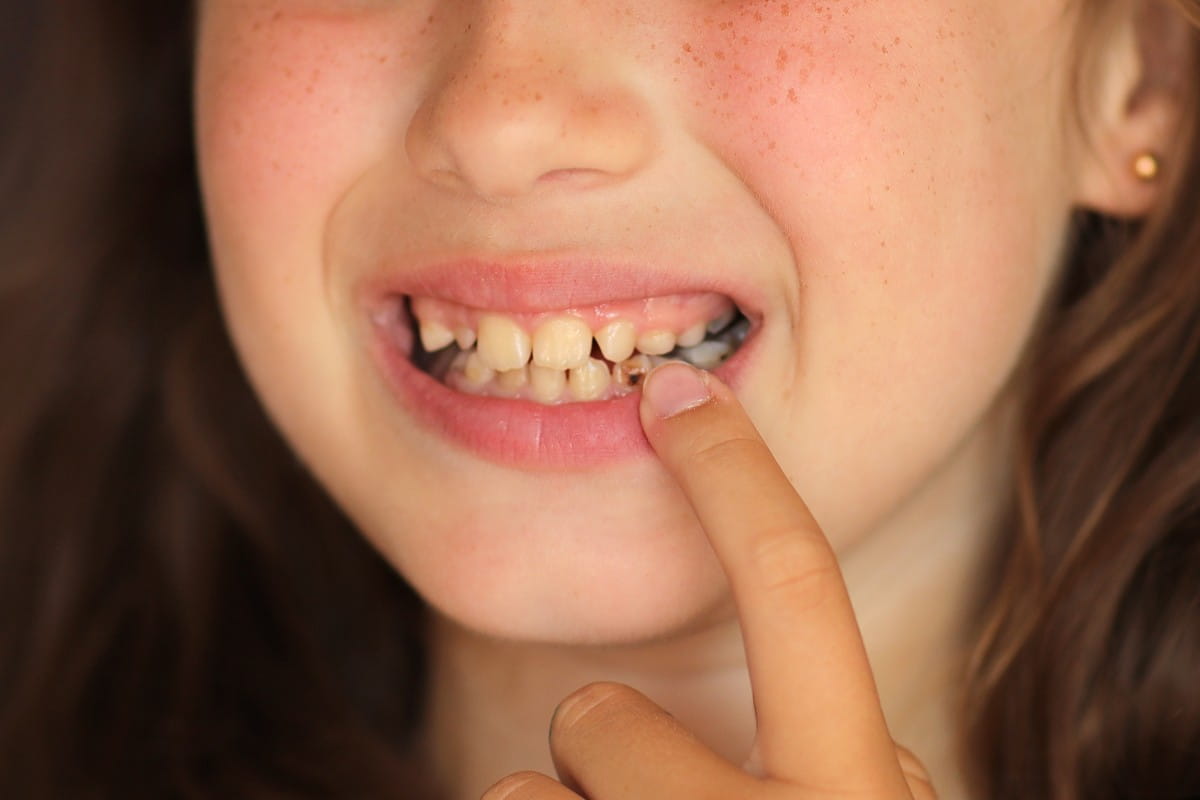
Tooth decay is one of the most common dental problems, and Germantown residents are no exception. While tooth decay is preventable, many people still fall victim to it. Understanding the causes of tooth damage and taking preventive measures can help protect your oral health. If you’re noticing any signs of decay or simply want to ensure your teeth stay healthy, scheduling an appointment with an experienced local dentist in Germantown can be a great first step.
In this blog, we’ll explore the top causes of dental decay and how to prevent it, so you can keep your smile healthy and bright for years to come.
Reasons for Tooth Damage And How To Avoid It
1. Poor Oral Hygiene Habits
One of the leading causes of decay is inadequate oral hygiene. When you fail to brush and floss regularly, plaque—a sticky film of bacteria—builds up on your teeth. This bacterium feeds on sugars from the foods and drinks you consume, producing acids that erode tooth enamel and lead to cavities.
To prevent tooth damage, brush your teeth at least twice a day with fluoride toothpaste and floss daily. Using mouthwash can also help reduce bacteria and prevent plaque buildup. Visiting your dental office in Germantown regularly for cleanings will help ensure your teeth remain free from plaque and tartar.
2. Diet High in Sugars and Starches
What you eat has a significant impact on your oral health. Diets high in sugar and starches contribute to tooth damage because the bacteria in your mouth feed on these foods and release acids that damage tooth enamel. Common culprits include soda, candy, cookies, and even certain carbohydrates, such as white bread and chips.
To reduce your risk of tooth decay, limit sugary snacks and drinks. Opt for healthier choices, such as fruits, vegetables, and whole grains. Drinking water after meals can help wash away food particles and reduce the risk of plaque buildup.
3. Dry Mouth
Saliva plays an important role in protecting your teeth by neutralizing strong acids and cleaning away food particles. A lack of saliva, known as dry mouth, can increase your risk of tooth decay. Dry mouth can be caused by medications, certain medical conditions, or even dehydration.
If you experience dry mouth, drink plenty of water throughout the day to keep your mouth hydrated. Chewing sugar-free gum or using saliva substitutes can also help stimulate saliva production. If dry mouth persists, consult with a Germantown dentist for further guidance and treatment options.
4. Tooth Enamel Erosion
Tooth enamel is the outer protective layer of your teeth that protects from further decay. However, enamel can wear away due to acids from foods and beverages or from acid reflux. Once enamel is gone, it doesn’t regenerate, and your teeth become more susceptible to cavities.
To prevent enamel erosion, avoid acidic foods and drinks, such as citrus fruits, soda, and vinegar-based dressings. If you suffer from acid reflux, consult with your healthcare provider for treatment. Brushing with a soft toothbrush and fluoride toothpaste can also help protect enamel.
5. Lack of Fluoride
Fluoride is a mineral that helps strengthen tooth enamel and prevent damage. It’s commonly found in toothpaste and is often added to public water supplies. Without fluoride, your teeth are more vulnerable to decay.
To ensure your teeth are getting enough fluoride, use a fluoride toothpaste and drink fluoridated water. Your dentist in Germantown MD, may also recommend fluoride treatments if you are at higher risk for cavities.
6. Old Fillings or Dental Work
Over time, fillings, crowns, and other dental work can wear down or become damaged. This can allow bacteria to enter the tooth, leading to decay beneath the restoration. If you have older dental work, it’s important to have it checked regularly by your dentist to ensure it’s still in good condition.
Regular check-ups with your dentist will help identify any issues with existing dental work and allow for timely repairs or replacements. Keeping up with these visits can prevent small issues from turning into major problems.
7. Genetics and Family History
Your genetic makeup can also play a role in your risk of decay. Some people may have naturally weaker enamel or higher levels of cavity-causing bacteria in their mouths, making them more susceptible to decay. If your family has a history of dental issues, you may need to be more diligent about your oral care.
While you can’t change your genetic composition, you can take preventive steps to reduce the risk of damage. Regular visits to your dentist for check-ups, cleanings, and fluoride treatments can help mitigate the impact of genetics on your dental health.
Preventing Tooth Decay: Tips for Germantown Residents
- Brush Twice a Day with Fluoride Toothpaste: Make sure you brush for at least two minutes, focusing on all surfaces of your teeth.
- Floss Daily: Flossing helps remove food particles and plaque from areas where your toothbrush can’t reach.
- Limit Sugary Snacks and Drinks: Reducing your intake of sugary foods can significantly lower your risk of cavities.
- Drink Water After Meals: Water helps wash away food particles and neutralize acids in your mouth.
- Visit Your Dentist Regularly: Schedule regular dental check-ups and cleanings to catch any issues early.
Take Control Of Your Oral Health
Tooth decay is a common but preventable issue that can affect residents of Germantown. By understanding the leading causes of decay and maintaining proper oral hygiene, you can protect your smile and prevent costly dental problems down the road. Regular visits to your dentist in Germantown are crucial to maintaining your oral health and ensuring your teeth remain strong and free from decay.
If you have noticed signs of tooth decay or want to improve your oral care routine, visit our dental office, Maryland Family & General Dentistry, today to schedule an appointment with Dr. Jamaad Abdi. Our team is committed to providing you with comprehensive dental care to help you maintain a healthy, beautiful smile.
FAQs
1. How Can I Tell If I Have Tooth Decay?
Signs of decay include tooth sensitivity, pain when eating or drinking, and visible holes or pits in your teeth. A visit to your dental care professional can provide a full assessment.
2. Is Tooth Decay Preventable?
Yes, dental decay is largely preventable with proper oral hygiene, a healthy diet, and regular dental check-ups. Fluoride treatments can also help protect your teeth.
3. Can Tooth Decay Spread?
Yes, if left untreated, tooth decay can spread to other areas of the tooth, leading to infection or even tooth loss. Regular visits to your dentist can help catch and treat decay early.
4. How Often Should I See A Dentist To Prevent Tooth Decay?
It’s recommended to see your dental practitioner at least twice a year for check-ups and cleanings to prevent tooth damage and other dental issues.
5. Can Children Get Tooth Decay?
Yes, children can develop decay, especially if they consume sugary foods and drinks. Parents should ensure their children brush and floss regularly and schedule routine dental visits.