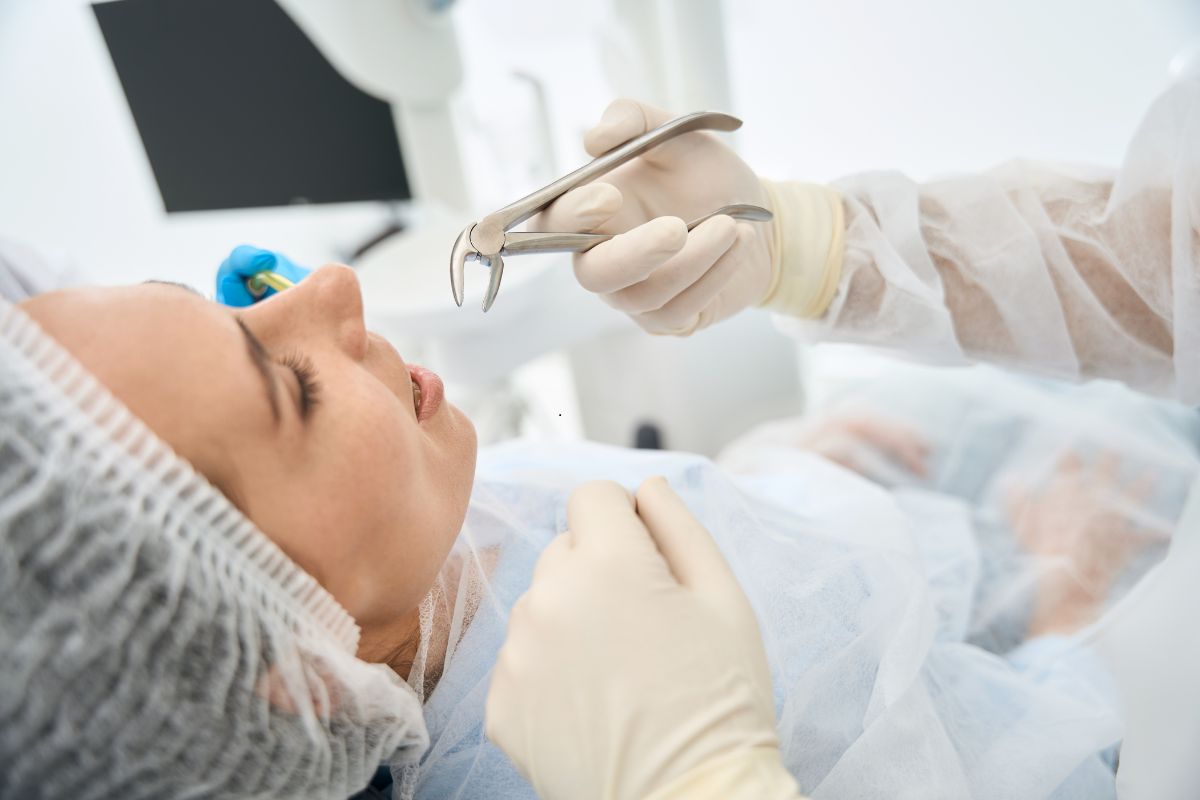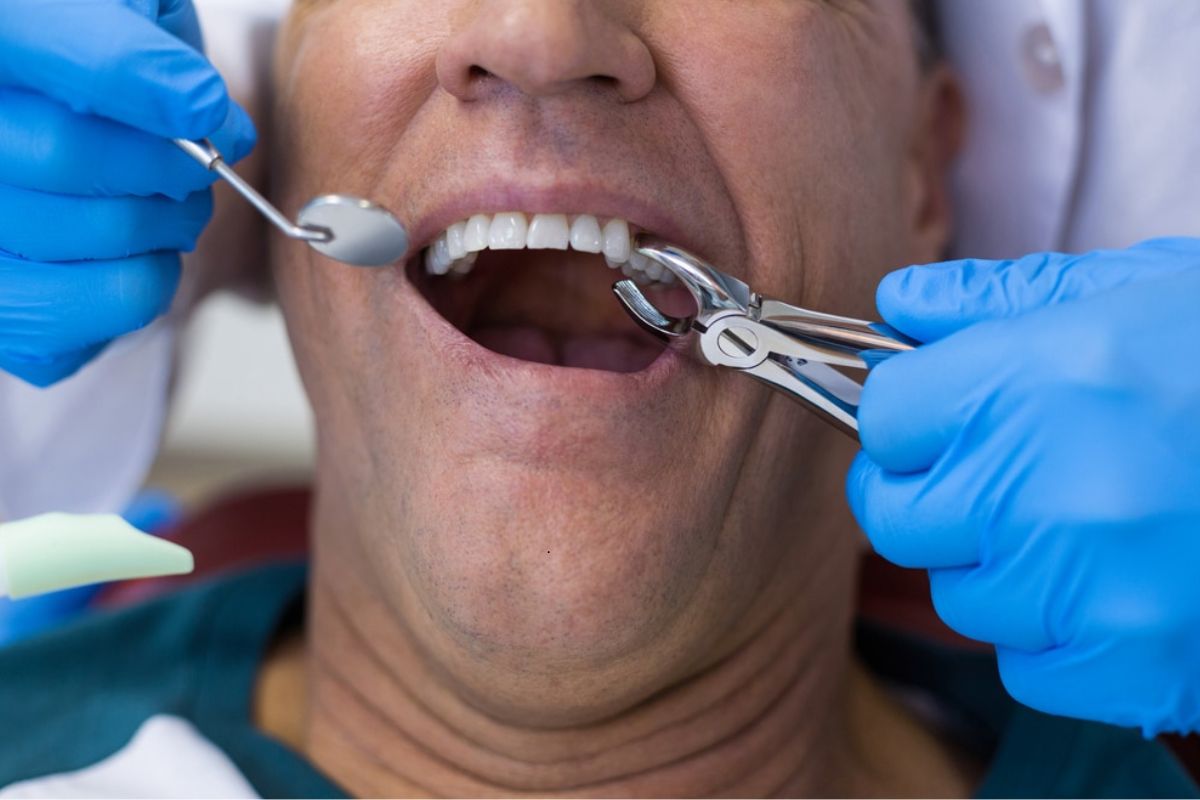



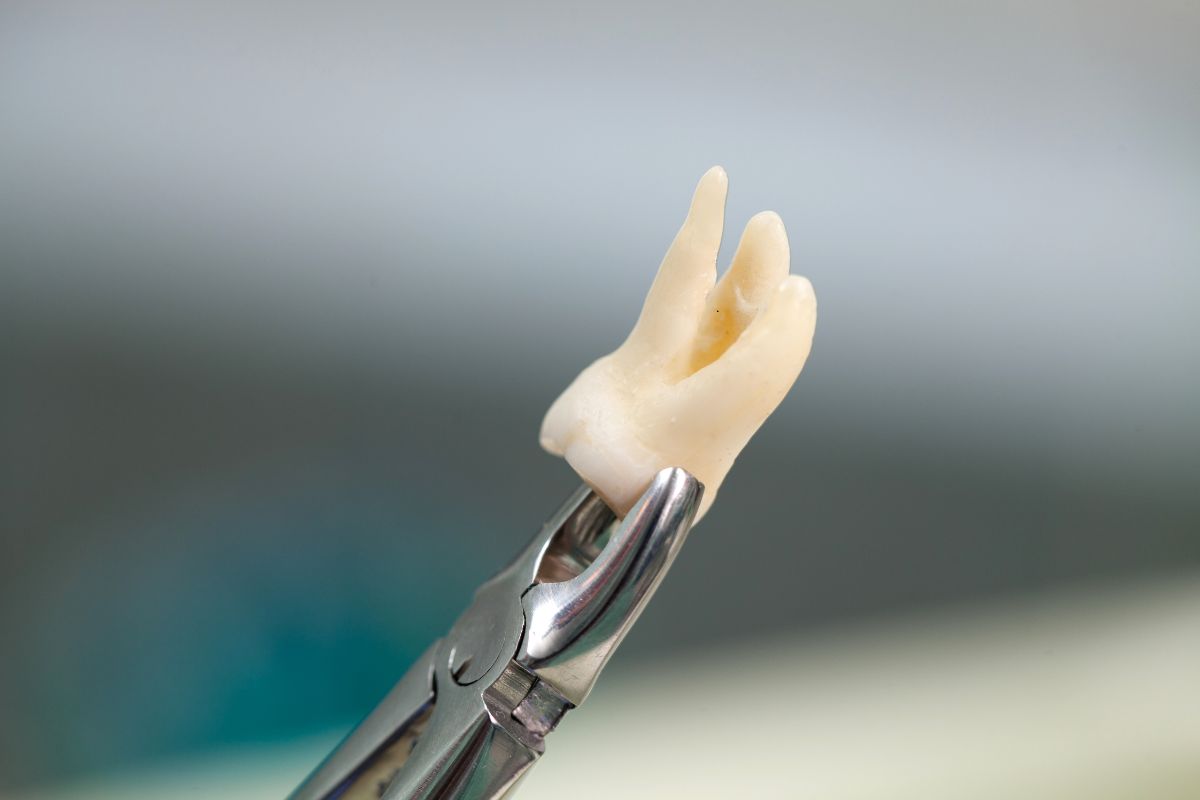
Although having your teeth extracted can be frightening, there are situations when it is essential for your general dental health. Understanding what to anticipate throughout recovery is crucial, regardless of the cause, which varies from overcrowding, decay, or impacted wisdom teeth.
How you care for yourself following the tooth extractions is just as important as the procedure itself.
The correct aftercare can ensure a seamless and comfortable healing process. This guide will provide insights to help you heal more quickly, control pain and swelling, and uphold good hygiene habits.
The First Few Days: What To Expect
The first few days following a dental exodontia are the most difficult. You might notice swelling and some bleeding, both of which are normal. To reduce swelling, apply a cold compress to your face in the area of the surgery for 15 to 20 minutes.
Keeping your head elevated when you are lying down also reduces swelling.
After a tooth is extracted, blood gathers in the socket, helping the bone heal and rebuild. This process marks the final stage of healing. To allow the clot to form, you must gently bite on a gauze pad. In case of ongoing bleeding, do not hesitate to contact your nearby dentist in Germantown for guidance on what to do next.
Key Tips To Promote Healing After Tooth Extraction Treatment
Every patient wants to recover soon after a tooth or teeth are removed. Indeed, the treatment is abrasive, and it requires time and attention. Here are some useful tips for a quicker recovery:
- Avoid Smoking Or Drinking Using StrawsBoth of these behaviors can disrupt the blood clot and slow healing.
- Eat Gently: Stick to soft, cool foods such as mashed potatoes, yogurt, and smoothies. Skip hot, spicy, or crunchy foods that may bother the surgical area.
- Do Not Touch The Area: It might be tempting to touch the area with your tongue or fingers, but this can raise the risk of infection.
- Stay Hydrated: Drink lots of water. However, refrain from sipping it using a straw that might dislodge the blood clot.
How To Manage Pain And Discomfort
Pain after an extraction is unavoidable. You will likely feel discomfort for the first few days, but it gradually decreases. Over-the-counter pain medications, like ibuprofen, can help reduce pain and inflammation.
However, it is essential to follow the recommended dosage instructions. These are strong medicines that can cause nausea, so avoid having them on an empty stomach.
Preventing Infection: Essential Aftercare
After tooth removal, your immune system needs all the help it can get to prevent infection. Make sure to follow any instructions about mouth rinses or prescribed medications. Saltwater rinses can be beneficial for cleaning the extraction site. They promote healing while keeping the area free of bacteria.
What If The Pain Persists Longer Than Expected?
Seek immediate help from a dental professional. Mild pain and discomfort can occur, but they usually subside within a few days with proper oral care. If you experience pain even after being mindful, you need to watch for infection signs.
If you experience any of the following, it is time to reach out for medical help:
- High fever
- Excessive bleeding that does not stop.
- Severe, sharp pain that worsens over time.
- Pus or unusual drainage from the surgical site.
Healing from tooth extractions like this takes time, and while it might seem uncomfortable at first, it is only temporary. Be patient with yourself and follow the recommended aftercare steps to make the process smoother. With the right care, you will soon be back to your normal routine.