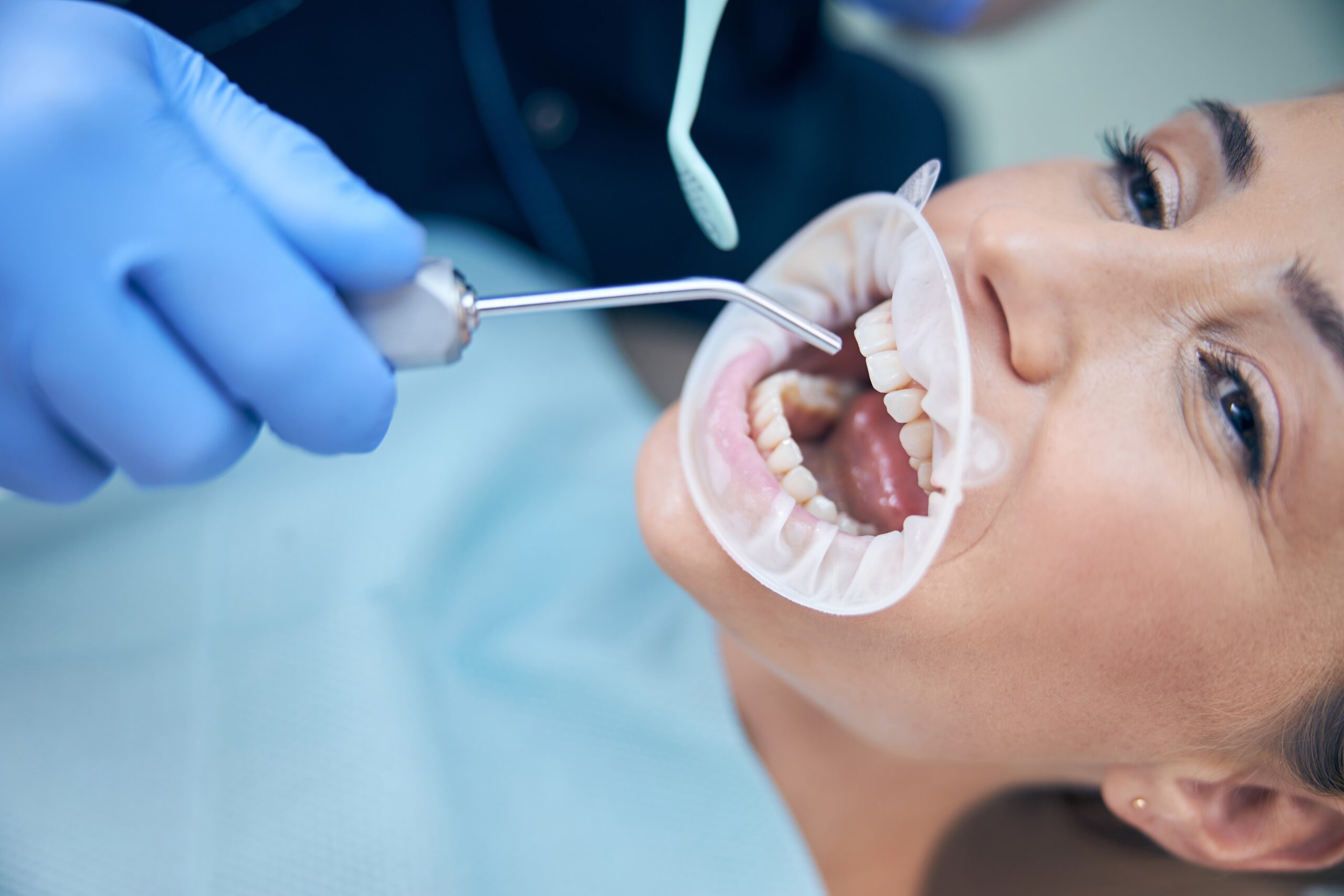




Accidents happen when you least expect them. Whether you took an accidental elbow to the mouth during a weekend pickup basketball game, bit down a little too hard on a popcorn kernel during movie night, or stumbled while walking your dog down the sidewalk, dental injuries can throw your entire day into chaos.
When you look in the mirror and discover a jagged edge, a visible split, or a sharp chip, panic is a natural reaction. Your mind races with questions: Will I lose the tooth? Is it going to hurt? What do I do right now?
Taking the right steps during the critical first few hours makes all the difference in preserving your smile. While your ultimate goal is to get professional help from an experienced dentist, knowing how to manage the situation at home prevents further damage, controls discomfort, and protects your oral health.
Assessing the Damage: Chip vs. Crack
Not all dental injuries are created equal. Before you can decide how to handle the situation, it helps to understand what kind of structural damage your tooth has sustained.
- Chipped Tooth: This is typically the most common and least severe type of break. It usually involves a small piece of the tooth’s enamel breaking off. Unless the chip is deep, it might not hurt much, though the jagged edge can irritate your tongue and inner cheek.
- Cracked Tooth: A crack can range from a minor “craze line” (superficial cracks in the enamel that rarely require treatment) to a deep fracture extending down into the root. Cracks can be tricky because they aren’t always visible to the naked eye, but they often cause sharp pain when you chew or when your tooth is exposed to hot and cold temperatures.
- Fractured Cusp or Broken Tooth: This occurs when a larger piece of the tooth breaks off, often involving the biting surface or a previous filling. These frequently expose the inner layers of the tooth, leading to immediate sensitivity and pain.
Immediate First-Aid Steps: What to Do Right Now
If you have experienced dental trauma, take a deep breath. Try to stay calm and follow these essential first-aid measures before you set foot inside a dental office:
1. Rinse Your Mouth Clean
Gently swish warm water around your mouth to clear away any blood, food particles, or loose debris. If there is bleeding from the gums around the injured area, take a clean piece of gauze or a wet washcloth and apply gentle, steady pressure for about 10 minutes until the bleeding stops.
2. Save Any Broken Pieces
If a significant piece of your tooth broke off, try to find it. Rinse the fragment gently with water (do not scrub it or use soap) and store it in a clean container filled with a little bit of saliva or milk. Bring this piece with you; sometimes, a dentist for chipped or cracked tooth emergencies can use specialized bonding materials to reattach the fragment or evaluate the break more accurately.
3. Manage Pain and Swelling
A facial impact can cause immediate soft-tissue swelling alongside tooth trauma. Place a cold compress or an ice pack wrapped in a cloth against your cheek or jaw near the affected area for 15-minute intervals. If you are experiencing discomfort, over-the-counter pain relievers like ibuprofen can help manage inflammation. Avoid placing aspirin or any other pain medication directly against the sore gum tissue, as chemical burns can occur.
4. Protect Your Tongue and Cheeks
A freshly chipped tooth often leaves behind sharp, razor-sharp edges that can easily slice up your tongue or the inside of your mouth. If you cannot see a professional immediately, cover the sharp edge temporarily with a small piece of sugar-free chewing gum or dental wax to create a safe barrier.
What NOT to Do When a Tooth is Damaged
In the heat of the moment, it is easy to make mistakes that can inadvertently worsen a dental injury. Keep these critical warnings in mind:
- Do not ignore it, even if it doesn’t hurt: Teeth do not heal themselves. Enamel cannot regenerate. Even a small chip can leave the inner layers of your tooth vulnerable to bacteria, leading down the road to painful decay or a deep infection.
- Do not chew on the affected side: Avoid testing out the tooth or putting any pressure on it.
- Do not use harsh tools or glues: Never attempt a DIY fix using household super glue, adhesives, or makeshift files. These substances are toxic and will ruin the tooth structure, making professional restoration much harder.
Why Professional Comprehensive Dental Care Matters
Many people make the mistake of waiting until a minor ache turns into a throbbing toothache before seeking help. However, early intervention is the key to saving your natural tooth.
When you experience structural damage, the protective outer shell of enamel is compromised, opening a doorway for oral bacteria to reach the sensitive pulp chamber inside. Left untreated, a minor crack can deepen, spread, and eventually require invasive procedures like root canal therapy or even an extraction.
Timely dental care helps catch and treat the underlying issue correctly. Depending on the severity of the damage, professional treatments can range from simple cosmetic dental bonding and smooth contouring for minor chips to sturdy dental crowns or porcelain veneers designed to restore both the look and function of your bite.
When Is a Broken Tooth a True Dental Emergency?
While any chip or crack warrants prompt attention, certain symptoms mean you need immediate, emergency care. Call right away or head to a professional if you notice:
- Severe, throbbing pain that does not subside.
- Swelling in your face, jaw, or gums.
- A fever or a foul taste in your mouth, which can signal an abscess or infection.
- A tooth that feels loose, wobbles, or is pushed out of alignment.
Protect Your Smile Today
A broken or cracked tooth can throw off your day, but you don’t have to face it alone. Expert guidance and compassionate treatment can put you back on the path to a healthy, confident smile.
If you are dealing with a dental injury, don’t wait for the problem to get worse. We invite you to visit our dental office for a thorough evaluation and gentle, personalized solutions tailored to your unique smile.
Take the first step toward relief and book an appointment with the team at Maryland Family & General Dentistry today!
Frequently Asked Questions
1. Can a chipped tooth heal itself naturally?
No. Unlike skin or bone, tooth enamel does not contain living cells and cannot regenerate. Once a piece of enamel chips off or a crack forms, it requires professional restoration to seal and protect the tooth.
2. How soon do I need to see a professional after breaking a tooth?
You should schedule an evaluation as soon as possible—ideally within 24 to 48 hours. Quick action minimizes the risk of infection, prevents the crack from worsening, and often makes the repair process simpler and more affordable.
3. What treatments are available for a cracked tooth?
The treatment depends entirely on how deep and severe the crack is. Minor cracks and chips are often fixed quickly with tooth-colored composite bonding. More substantial cracks or weakened teeth usually benefit from a custom dental crown that holds the tooth together and shields it from daily chewing forces.
4. Will the procedure to fix a chipped tooth hurt?
Most routine procedures for fixing chips, such as dental bonding or placing a crown, are virtually painless. Local anesthetics are used when reshaping or preparing a tooth so that you remain completely comfortable throughout your appointment.