



There is very little that can ruin your morning quite like sitting down to enjoy a warm, comforting cup of coffee and a crisp bagel, only to be struck by a sharp, electric jolt of pain the moment your teeth come together. Or maybe it happens later in the day during lunch, turning a simple bite of an apple or a sandwich into an exercise in caution.
If you have ever winced mid-bite, you are definitely not alone. Dental pain has a clever way of disrupting our routines, and discomfort that flares up specifically when pressure is applied is one of the most common complaints we hear at our practice.
When a tooth hurts exclusively when you bite down, it is essentially trying to send you a message. Teeth don’t just ache randomly; every type of twinge, pressure sensitivity, or sharp shock points toward a specific underlying issue. Ignoring these whispers, or hoping they will magically vanish on their own, rarely works out. In fact, what starts as a minor inconvenience can quickly escalate into a dental emergency if left untreated.
Let’s take a closer look at what your teeth might be trying to communicate and why it’s time to check in with a trusted professional.
The Anatomy of a Tooth Ache: Why Pressure Hurts
To understand why a tooth hurts when pressure is applied, it helps to look at how teeth are structured. Beneath the hard, outer layers of enamel and dentin lies the pulp chamber, home to living nerves and blood vessels. Surrounding the root of the tooth is a specialized cushion of tissue called the periodontal ligament, which helps anchor the tooth in your jawbone and acts as a shock absorber when you chew.
When you feel a sharp pain upon biting down, it usually means one of two things:
- The internal structure of the tooth (like the nerve or a microscopic fracture) is being stressed.
- The supporting tissues around the root are inflamed or bruised, making any downward pressure painful.
Because teeth lack the ability to tell us exactly what is wrong in words, they use pain as their primary signaling system. Let’s decode some of the most common causes behind that bite-triggered ache.
Common Culprits: What’s Causing That Sharp Pain?
1. A Cracked or Fractured Tooth (Cracked Tooth Syndrome)
One of the most frequent causes of sharp pain upon biting down is a crack in the tooth structure. These cracks can happen for various reasons: chewing on hard items like ice or popcorn kernels, teeth grinding (bruxism) while you sleep, or even a sudden impact.
The tricky thing about cracks is that they are often invisible to the naked eye. When you bite down, the pressure forces the microscopic fracture lines to open up slightly, irritating the nerve inside. The moment you release the bite, the crack snaps shut, causing a sharp, quick flash of pain.
2. A Worn-Out, Loose, or Damaged Filling
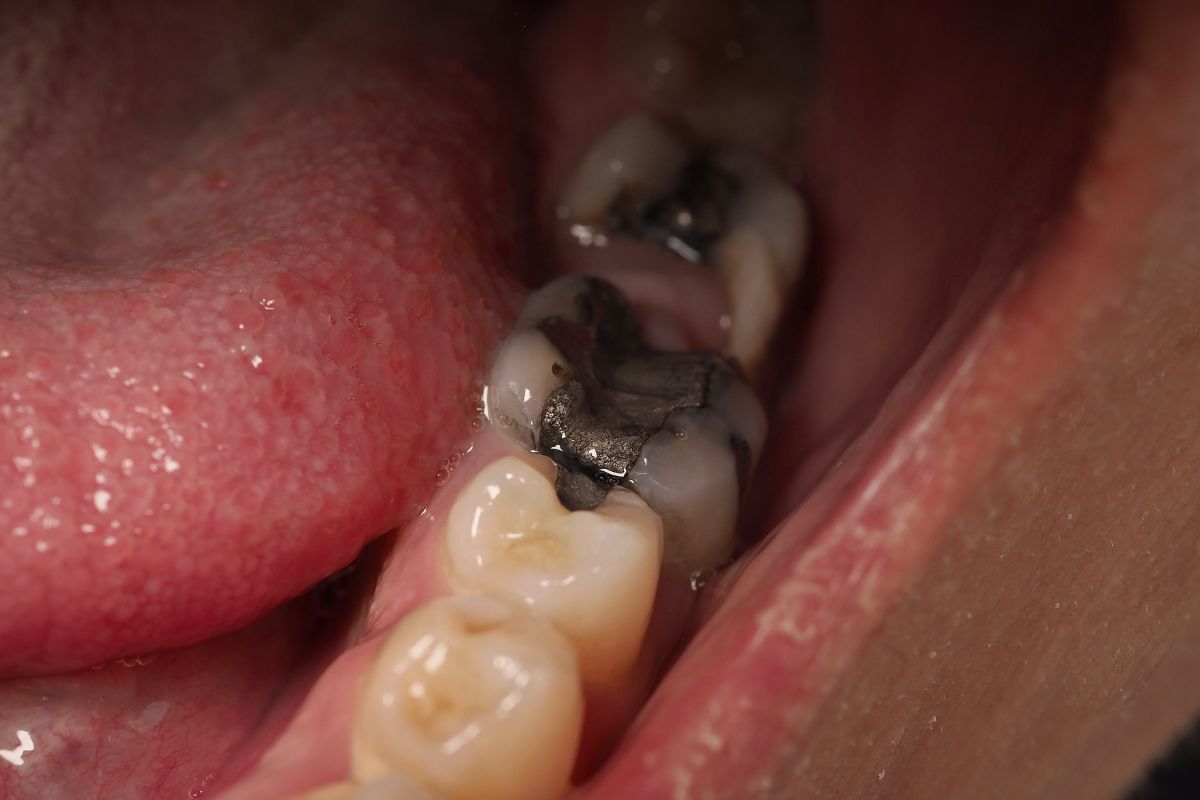
Old dental work doesn’t last forever. Over years of chewing, biting, and temperature changes, fillings can weaken, develop microscopic gaps, or even shift slightly. When this happens, bacteria can seep underneath the restoration, or the filling itself can put uneven pressure on the underlying tooth structure. If you feel a sharp jolt right on top of an existing filling, it’s a strong sign that the restoration needs to be evaluated or replaced.
3. Tooth Decay or a Hidden Cavity
While many cavities cause a lingering ache or sensitivity to sweets and cold temperatures, deep or structural decay can weaken the integrity of the tooth. When a cavity compromises a cusp (the pointy chewing surface of a molar), the remaining tooth structure may bend under the force of biting, triggering a sharp pain response from the nerve below.
4. An Abscess or Underlying Infection
If the pulp inside your tooth becomes infected due to untreated decay or trauma, it can eventually die and form a pocket of pus (an abscess) at the tip of the root. This infection causes the surrounding bone and periodontal ligament to become severely inflamed. Because the ligament is swollen, any downward pressure forces the tooth deeper into its socket, resulting in a distinct, throbbing, or sharp pain when you bite.
5. Teeth Grinding and Clenching (Bruxism)
Many people grind or clench their teeth at night without even realizing it. The immense, sustained pressure placed on the teeth during sleep can bruise the periodontal ligaments or cause hairline fractures over time. If your teeth feel sore, sensitive, or sharp when biting down first thing in the morning, bruxism could very well be the culprit.
Temporary Comfort vs. Real Solutions
When you are dealing with dental discomfort, it is completely natural to look for quick fixes. While you wait to see a professional, here are a few safe steps you can take at home:
- Stick to soft foods: Avoid hard, crunchy, sticky, or very hot and cold foods that might trigger the pain.
- Chew on the opposite side: Give the sensitive area a break by shifting your chewing to the other side of your mouth.
- Over-the-counter relief: Non-steroidal anti-inflammatory drugs (NSAIDs) like ibuprofen can help manage localized inflammation and discomfort temporarily.
However, it is vital to remember that these are purely temporary band-aids. A cracked tooth won’t heal itself, a deep infection won’t clear up without medical intervention, and a faulty filling will only deteriorate further. Seeking out professional dental care is the only way to get to the root of the problem and protect your smile.
Why You Shouldn’t Wait to See a Professional
It’s easy to adopt a “wait-and-see” attitude, especially if the pain comes and goes or only happens with certain foods. Unfortunately, dental issues rarely resolve on their own.
A small, manageable crack can quickly split all the way down to the root, turning a simple crown or bonding procedure into a situation where the tooth can no longer be saved. Similarly, a minor localized inflammation can evolve into a painful abscess that requires emergency intervention.
Getting evaluated early doesn’t just save you from prolonged discomfort, it also saves you time, stress, and potentially more extensive dental procedures down the road. Partnering with a skilled dentist ensures that you receive an accurate diagnosis using advanced diagnostic tools, so you can get back to eating, laughing, and living pain-free.
Experience Compassionate Dentistry Close to Home
If you are tired of second-guessing every bite you take, it’s time to let the experts take a look. Whether you need a simple adjustment, a new filling, or targeted dentist for pain relief, having a trusted dental home makes all the difference.
For residents throughout the area looking for comprehensive, gentle, and patient-centered solutions, we invite you to visit our dental office. At Maryland Family & General Dentistry, our experienced team is proud to serve families and individuals with two convenient practice locations in Silver Spring, MD and Germantown, MD. From routine preventative visits to diagnosing tricky toothaches, we are here to ensure your smile stays healthy, strong, and comfortable.
Don’t let a minor twinge turn into a major headache. Take control of your oral health today and book an appointment with our friendly team!
Frequently Asked Questions
1. Why does my tooth hurt when I bite down, but feel fine the rest of the time?
This is a classic sign of either a hairline crack (often called cracked tooth syndrome) or mild inflammation in the periodontal ligament. When you aren’t applying pressure, the tooth isn’t being stressed, so it remains quiet. The pain only triggers when the pressure forces the fracture lines to open or irritates the inflamed ligament.
2. Can a tooth heal itself if the pain goes away?
Unfortunately, no. Teeth do not have the ability to regenerate enamel or repair deep structural damage on their own. If the pain suddenly disappears, it can sometimes mean the nerve inside the tooth has died (necrosis). While the sharp pain might stop temporarily, the underlying infection or issue is still present and will likely return with greater intensity.
3. How does a dentist figure out which tooth is causing the pain?
Dentists use a combination of diagnostic techniques, including visual examinations, high-resolution digital X-rays, transillumination (shining a specialized light through the tooth to reveal cracks), and specialized bite tests where you bite down on a small plastic tool to isolate the exact tooth causing trouble.
4. What treatments are available for a cracked or painful tooth?
Treatment depends entirely on the underlying cause. A minor crack or worn filling might only require a new filling or a protective dental crown. If the crack has reached the inner nerve, a root canal procedure may be necessary to save the tooth and relieve the infection.
5. How can I schedule an appointment with Maryland Family & General Dentistry?
Booking an appointment is simple and convenient! You can reach our Silver Spring or Germantown offices directly by phone, or visit our website at mfgdentistry.com to request your visit online. We look forward to helping you smile comfortably again!