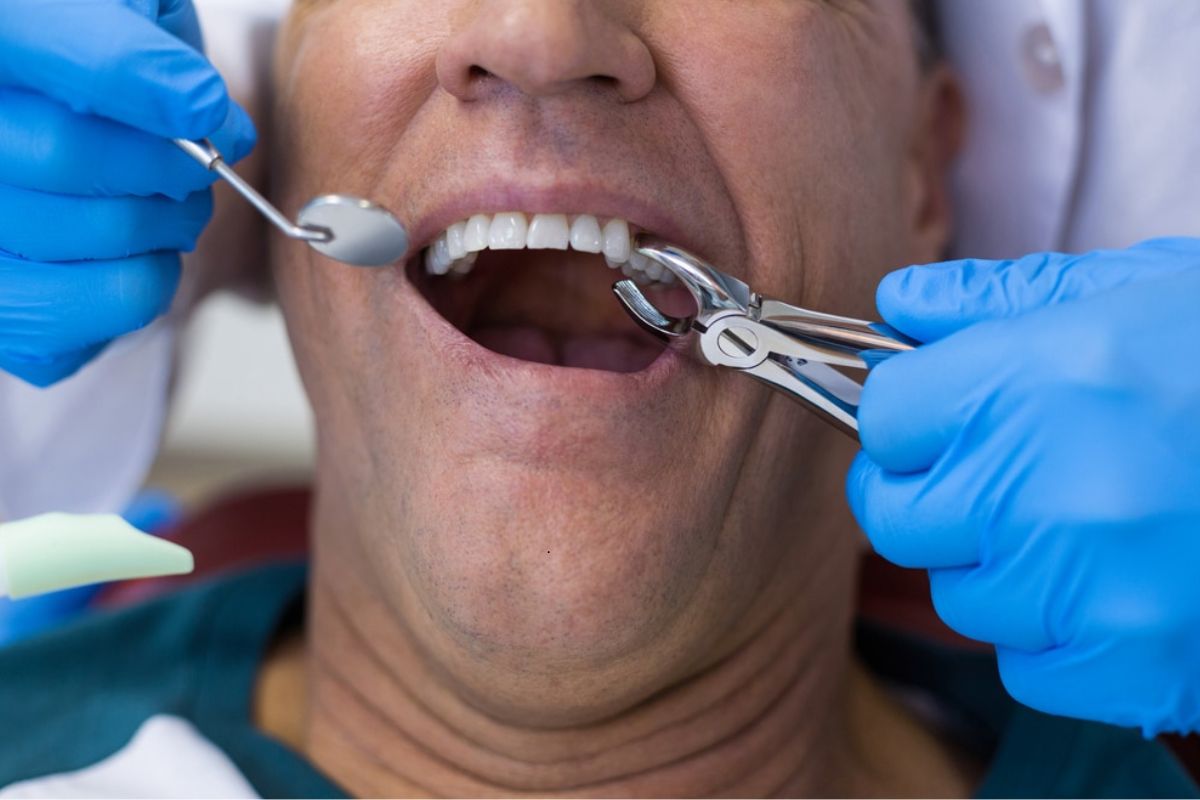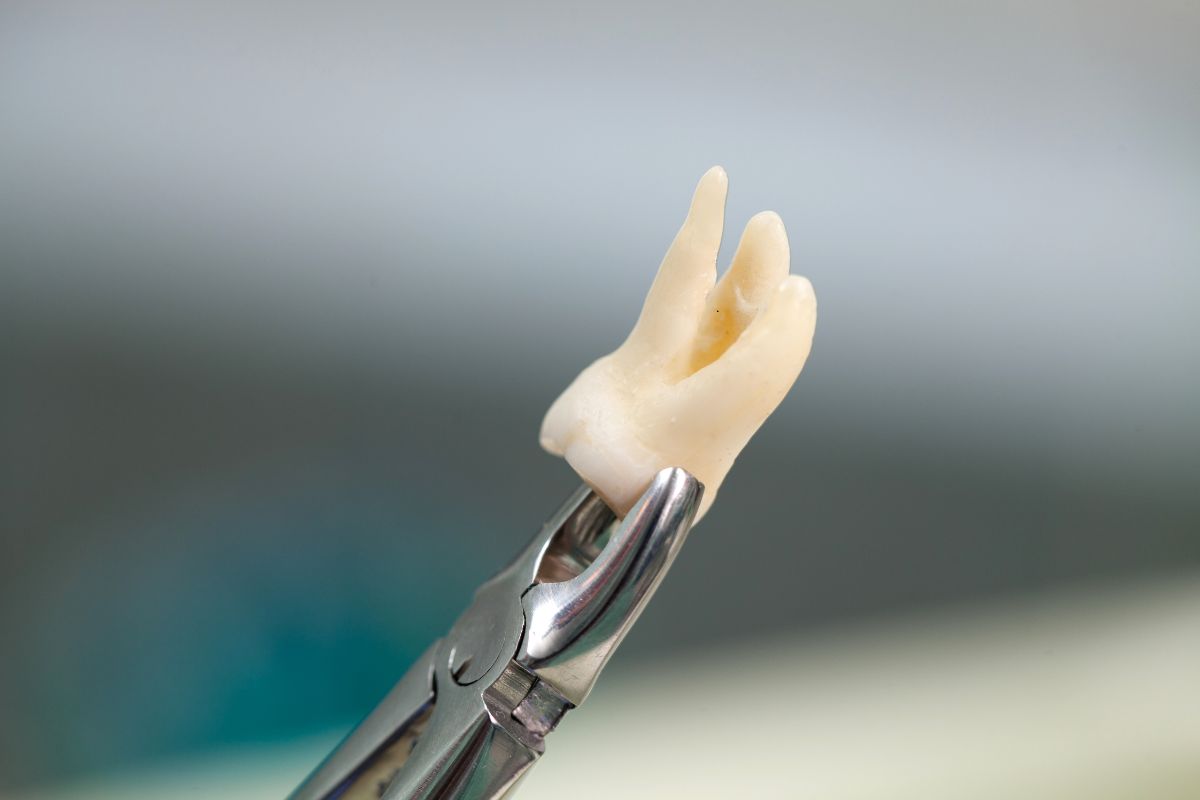



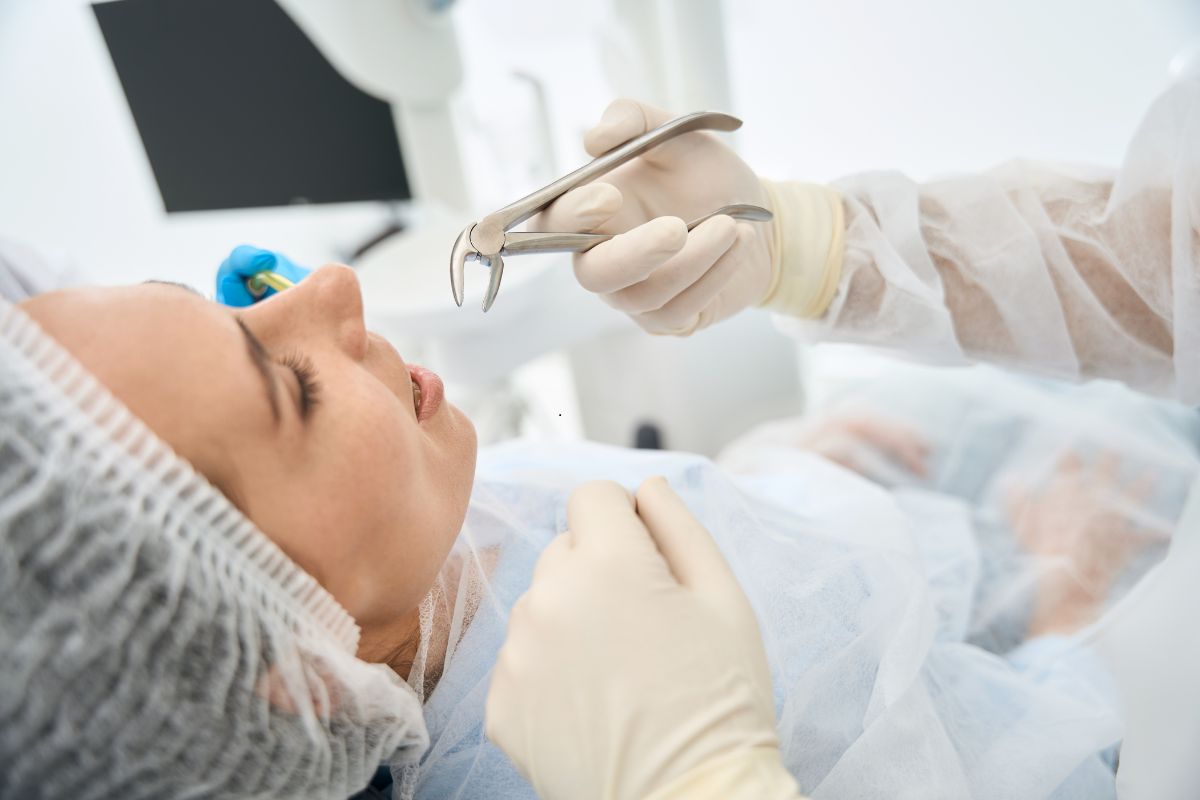
Tooth extractions are sometimes necessary to protect your oral health, whether due to severe decay, infection, or impacted wisdom teeth. For many Germantown residents, the thought of a tooth removal can be overwhelming. However, understanding the recovery process and knowing what to expect afterward can make the experience smoother. At Maryland Family and General Dentistry, we are committed to providing gentle care and guiding patients through every step of their healing journey.
This guide outlines a practical recovery timeline after tooth extractions Germantown, along with tips to promote comfort and prevent complications.
The First 24 Hours After a Tooth Extraction
The initial day after your procedure is the most critical. Your body will begin the natural healing process, and following your dentist’s instructions is essential.
- Bleeding Control: Slight bleeding or oozing is normal. Biting gently on a gauze pad helps form a blood clot, which is vital for healing. Avoid spitting forcefully or using straws, as these actions may dislodge the clot.
- Pain Management: Your dentist may recommend over-the-counter pain relievers or prescribe medication for more complex extractions. Applying a cold compress to the outside of your cheek can also reduce swelling.
- Diet Considerations: Stick to soft foods such as yogurt, mashed potatoes, applesauce, or broth. Hydrate well, but avoid hot beverages and alcohol.
Many patients in Germantown find that with proper care, the first day sets the tone for a smooth recovery.
Days 2–3: Reducing Swelling and Managing Discomfort
During the second and third days, swelling often peaks but then starts to subside. This is a normal part of your body’s healing response.
- Continue using cold compresses for 15–20 minutes at a time.
- Switch to warm saltwater rinses (after the first 24 hours) to keep the extraction site clean.
- Gradually add more soft foods like scrambled eggs, smoothies, or oatmeal.
- Avoid smoking, as it can delay healing and increase the risk of dry socket.
Patients who undergo tooth extractions in Germantown at Maryland Family and General Dentistry often report noticeable improvement within this time frame.
Days 4–7: Signs of Progress
By the end of the first week, many people notice significant progress. While tenderness may remain, pain should be minimal.
- Healing Tissue: The extraction site will begin to fill with granulation tissue, an important step toward full recovery.
- Oral Hygiene: Continue brushing and flossing carefully, avoiding the extraction site. Rinsing with warm saltwater after meals helps prevent infection.
- Activity Levels: Light exercise may be resumed, but avoid strenuous workouts that could disrupt healing.
Most Germantown patients are able to return to work or school within this period, provided they follow their dentist’s care instructions.
Week 2: Returning to Normal
At this stage, your mouth should feel much closer to normal. Discomfort should be minimal, swelling gone, and the gums healing well.
- You may gradually reintroduce firmer foods, such as pasta or soft bread.
- Persistent pain or swelling should be reported immediately, as it could indicate infection.
- Continue maintaining good oral hygiene and attending follow-up appointments if recommended.
At Maryland Family and General Dentistry, we check in with patients after extractions to ensure healing is on track and to provide additional guidance if needed.
Weeks 3–4: Near Complete Healing
By the end of the first month, most tooth extraction sites are nearly fully healed. The gums close up, and normal oral function is restored. If a tooth was removed to prepare for dental implants or another restoration, this is often when the next stage of treatment is scheduled.
Long-Term Care After Tooth Extractions
Recovery doesn’t end once the site has healed. Maintaining long-term oral health requires:
- Regular Checkups: Routine visits allow your dentist to monitor healing and overall oral health.
- Restorations if Needed: If a permanent tooth was extracted, a replacement option such as a bridge, implant, or partial denture may be recommended to preserve your bite alignment.
- Healthy Habits: Brushing twice daily, flossing, and limiting sugary foods all contribute to lasting oral health.
At Maryland Family and General Dentistry, we tailor tooth replacement solutions to fit each patient’s needs, ensuring both functionality and a confident smile.
When to Call Your Dentist
While most extractions heal without issue, it’s important to be aware of warning signs that require prompt attention:
- Severe or worsening pain beyond the first few days
- Prolonged bleeding that doesn’t stop after applying pressure
- Fever, chills, or signs of infection
- Swelling that worsens instead of improving
If any of these symptoms occur, contact Maryland Family and General Dentistry immediately for care.
Final Thoughts
Recovering from a tooth extraction doesn’t have to be stressful. By understanding the recovery timeline and following your dentist’s instructions, you can heal quickly and comfortably. Residents seeking tooth extractions in Germantown can rely on Maryland Family and General Dentistry for compassionate care, clear guidance, and long-term oral health solutions. Your smile deserves professional attention—schedule your consultation today to learn more about extractions and recovery in Germantown, MD.