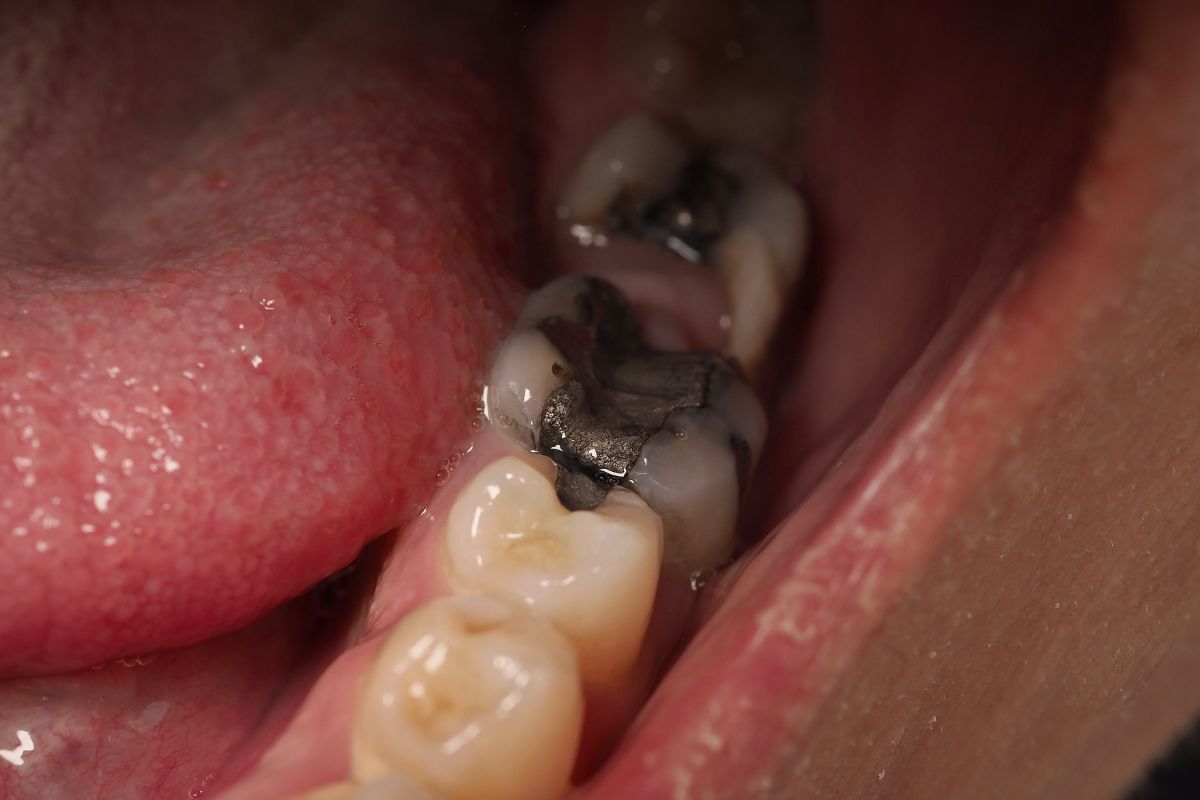



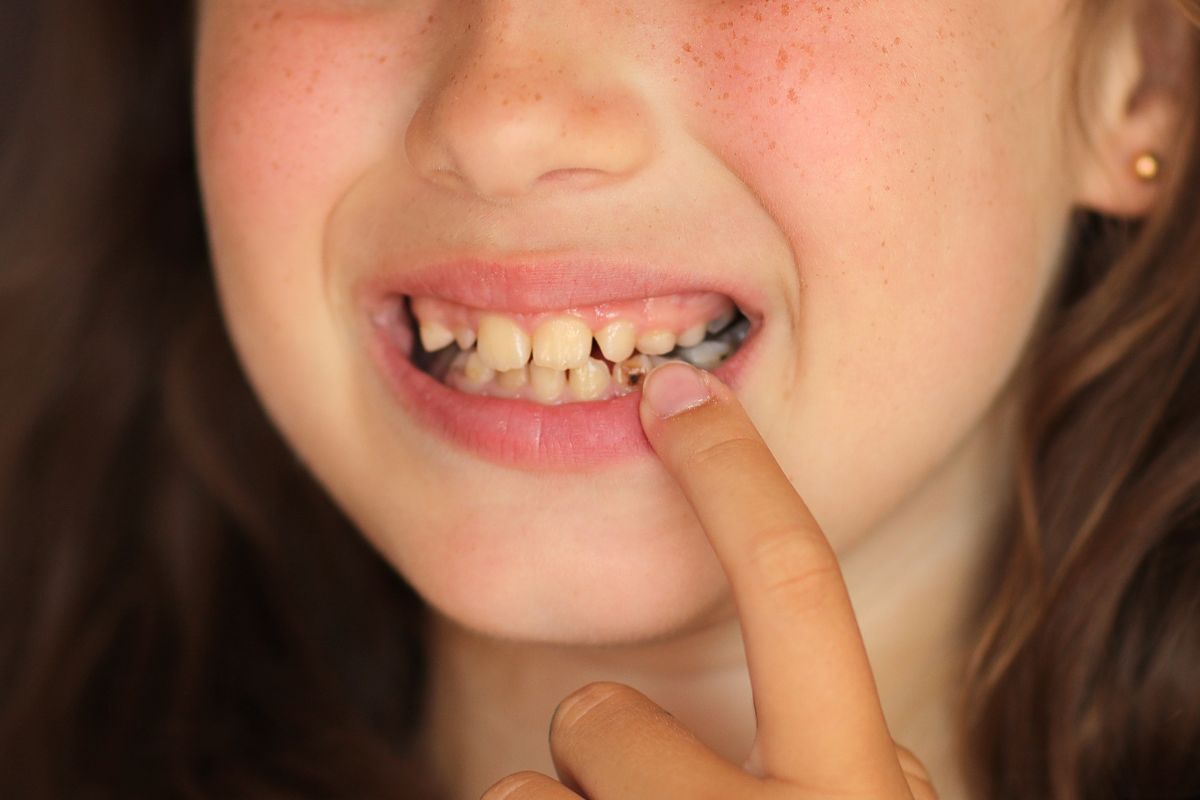
Have you ever wondered why some people seem to get cavities more often than others, even with similar oral hygiene habits? The key could be in your genetic makeup. Genetics plays a significant role in your overall oral health, including your susceptibility to caries and other dental issues. While brushing and flossing are essential for maintaining healthy teeth, your genetic makeup can affect how your teeth respond to bacteria, how your enamel develops, and how your body fights off infections in the mouth.
If you’re in Germantown and have concerns about your oral health, understanding the genetic factors that impact cavities is essential. A reputed dentist in Germantown can offer personalized insights into your specific oral health risks and help you develop a preventive plan to maintain your smile.
What Role Do Genetics Play in Cavities?
When it comes to caries, genetics can influence several factors that affect your tooth health. For example, the strength and quality of your enamel, the composition of your saliva, and how your body responds to bacteria can all be inherited traits.
1. Enamel Strength and Composition
Enamel is the protective outer layer of your teeth, and it plays a crucial role in preventing decay. If your enamel is thin or weaker due to genetic factors, your teeth are more vulnerable to decay. Some people may naturally have stronger enamel, while others may have softer enamel that wears down more easily. This can increase the likelihood of developing caries.
2. Saliva Composition and Its Impact on Cavities
Saliva is vital for oral health because it helps wash away food particles and neutralize acids in the mouth. However, the composition of your saliva can vary based on your genetics. People who have saliva with lower levels of calcium and phosphate may be more prone to tooth decay. These minerals help remineralize the enamel, and without them, your teeth may not repair themselves as effectively, making you more susceptible to cavities.
3. Immune System Response and Oral Health
Your immune system also plays a role in your oral health, and genetics influence how your body defends against bacterial infections in the mouth. If your immune system is naturally weaker or less effective at responding to oral bacteria, you might have a higher risk of developing gum disease and cavities. Genetic factors can affect how your body produces antibodies and responds to harmful bacteria, thereby influencing your susceptibility to dental issues.
Can You Control Your Genetics When It Comes to Cavities?
While you can’t change your genetics, there are still plenty of things you can do to protect your teeth. For example, even if you’re genetically predisposed to softer enamel or a weaker immune system, regular dental visits and a good oral hygiene routine can still go a long way in preventing dental caries.
1. Regular Dental Check-ups
Routine visits to a local dentist in Germantown are essential for detecting early signs of cavities and other dental issues. Professional cleanings help remove plaque buildup that can contribute to tooth decay. Regular check-ups also allow your dentist to monitor the condition of your enamel and advise you on preventive measures.
2. Using Fluoride Products
If you have weaker enamel due to genetic factors, using fluoride toothpaste and mouthwash can help strengthen your enamel. Fluoride helps remineralize enamel and can prevent tooth decay from forming, even if you’re more prone to decay. Your dentist may recommend fluoride treatments during your visits to help protect your teeth.
3. Dietary Choices
Your diet plays a significant role in your oral health. Eating a balanced diet rich in calcium, vitamins, and minerals can help support strong enamel. Reducing intake of sugary foods and acidic beverages can also help prevent cavities. If you’re genetically predisposed to weaker enamel or a higher risk of cavities, it’s better to limit sugary snacks and drinks that contribute to tooth decay.
How Can a Dentist Help with Genetics and Cavities?
A trusted dentist in Germantown can help you understand your genetic risk factors and provide personalized advice on how to minimize the impact of genetics on your oral health. With the proper guidance, you can take proactive steps to protect your teeth, whether you’re dealing with weak enamel, dry mouth, or other genetic factors that increase your risk of dental caries.
By working with a dental professional, you can receive treatments such as fluoride varnish, dental sealants, or specific oral hygiene products designed to help combat your unique genetic risk factors.
Prioritize Your Oral Health and Prevent Cavities
Genetics can affect your risk of getting cavities, but that doesn’t mean you’re without control. With the proper care and professional guidance, you can protect your teeth and prevent tooth decay, even if you have a genetic predisposition to cavities. Regular dental check-ups, good oral hygiene, and preventive treatments like fluoride and dental sealants can help reduce the impact of genetic factors.
Book Your Appointment Today
Are you worried about cavities or other dental issues caused by your genetics? Book an appointment with Maryland Family & General Dentistry today. Let us help you keep your smile healthy and bright with personalized care and expert advice.
FAQs
- Can genetics cause cavities?
Yes, your genetics can affect the strength of your enamel, the composition of your saliva, and how your immune system responds to bacteria, all of which can increase the risk of dental decay. - Can I prevent cavities if I have weak enamel?
While you can’t change your genetics, using fluoride toothpaste, eating a balanced diet, and visiting your dentist regularly can help protect your teeth from decay. - How can I strengthen my enamel?
Using fluoride products, eating calcium-rich foods, and avoiding sugary snacks can help strengthen enamel and prevent cavities. - Can cavities be hereditary?
Yes, certain genetic factors can make you more prone to cavities, such as the strength of your enamel and the composition of your saliva. - What should I do if I have frequent cavities?
If you experience frequent damage, visit your dentist for advice. They may recommend fluoride treatments, sealants, or changes to your oral hygiene routine. - Are there any treatments for weakened enamel?
Yes, treatments such as fluoride varnish, sealants, and remineralization therapy can help protect weakened enamel and prevent cavities. - Can a dentist fix cavities caused by genetics?
Yes, a dentist can fill cavities and provide preventive treatments to help reduce future risk, even if genetics play a role in your oral health.