



The saying “you are what you eat” applies strongly to your smile. Poor dietary habits don’t just affect your waistline, but they can also directly harm your teeth and gums. National studies reveal that 13.2% of children have untreated cavities, while over 25% of adults between the ages of 20 and 64 struggle with tooth decay.
Among older adults, more than 13% face complete tooth loss. These numbers prove that your food choices matter as much to your mouth as to your body. Want to learn more? Keep reading this blog till the end.
Why Nutrition Matters for Dental Health?
Oral problems often develop silently. Without early detection and balanced nutrition, issues like cavities, gum disease, and enamel erosion progress quickly. Nutrition fuels the body through macronutrients (carbohydrates, proteins, fats) and micronutrients (vitamins, minerals). A deficiency can weaken teeth and gums while also making eating painful.
Your mouth relies on a balanced diet to support everyday functions like chewing, speaking, and even smiling confidently. A well-rounded diet enhances saliva production, strengthens enamel, and lowers the risk of oral disease.
How Does a Poor Diet Affect Your Teeth and Gums?
Following an improper diet impacts your oral health in many significant ways, and some of them are as follows:
Tooth Decay
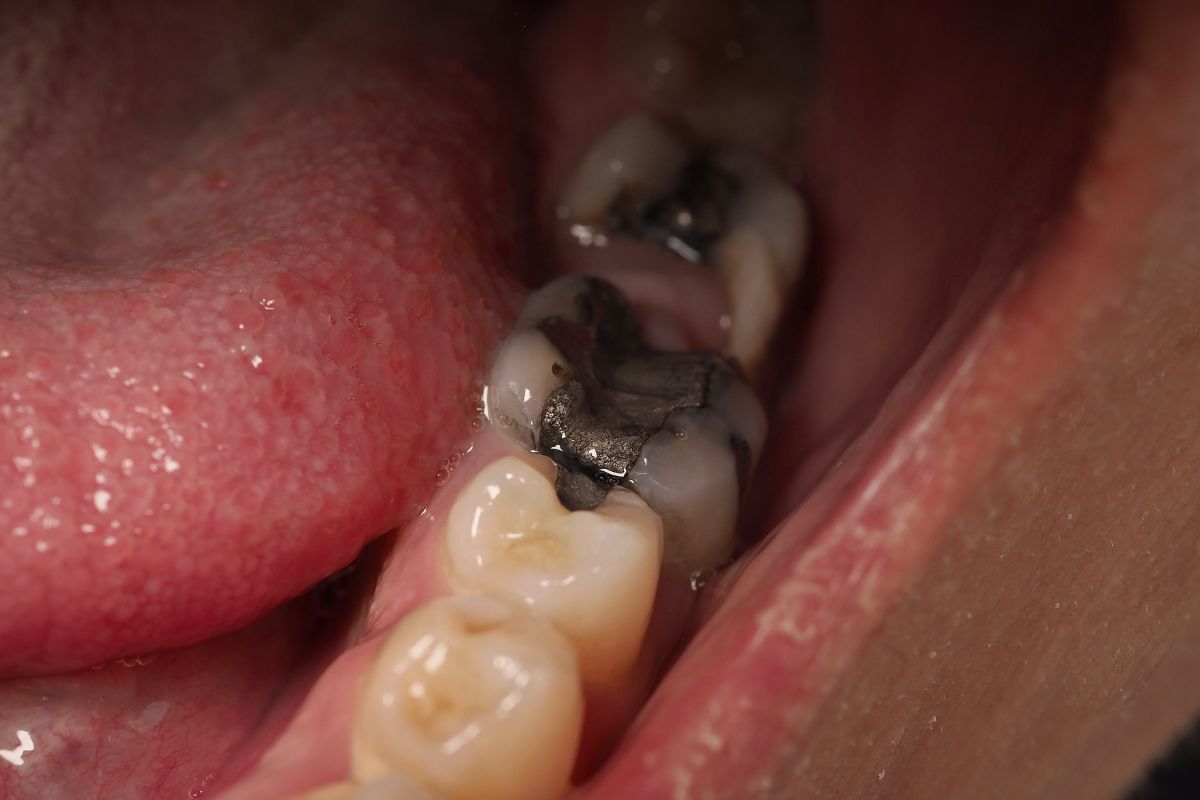
Sugary and acidic foods play a major role in cavities. When bacteria in the mouth break down sugar, acid is released. This acid erodes the protective enamel, leaving teeth vulnerable to decay. Sticky sweets, sodas, processed snacks, and citrus fruits all contribute to enamel breakdown. Without good oral hygiene, cavities expand and may require fillings or more advanced treatment.
Gum Disease
Poor diet is strongly linked to gingivitis and periodontal disease, which affect nearly 1 billion people globally. Symptoms vary from bleeding gums to bad breath and tooth mobility. Gum disease does not stop at the mouth. It raises the possibility of heart disease, stroke, and other health problems diabetes. Regular professional care and a balanced diet rich in vitamins and minerals reduce the chance of gum complications.
Enamel Erosion
Acidic foods, carbonated beverages, and even medical conditions like acid reflux erode the enamel. Once it thins, sensitivity and tooth decay often follow. Drinking water and milk after acidic meals neutralizes acids, offering a protective effect.
Which Foods Should You Add to Your Diet for Better Oral Health?
Balanced nutrition can strengthen teeth, protect gums, and restore enamel. A dentist will often recommend the following:
- Calcium-rich foods: Yogurt, cheese, fortified tofu, almonds, and leafy greens rebuild enamel.
- Protein sources: Fish, poultry, and eggs supply phosphorus, which protects teeth.
- Fruits and vegetables: High in water and fiber, they stimulate saliva flow and naturally cleanse teeth.
- Water: The ultimate mouth-cleanser. Fluoridated water adds extra cavity protection.
Simple Tips for a Healthier Smile Through Diet
To ensure a healthy smile, here are the tips you need to follow:
- Limit sugary snacks and replace them with crunchy vegetables.
- Drink fluoridated water instead of sodas or juices.
- Eat cheese or dairy products after meals to neutralize acids.
- Maintain consistent brushing and flossing to remove lingering plaque.
- Schedule professional cleanings twice a year for preventive care.
Your diet has a direct impact on your oral health. Nutrient-rich foods strengthen enamel, protect gums, and reduce your risk of cavities and tooth loss. However, sugary, acidic, and processed foods can speed up damage and disease.
Consulting with us ensures you maintain a balanced approach to nutrition and oral care. Make dietary choices that support both your overall wellness and your smile’s longevity.
FAQs
What vitamins are most important for healthy teeth and gums?
Calcium, phosphorus, and vitamin D strengthen enamel and bones. Vitamin C supports gum health and helps prevent inflammation.
Can changing my diet reverse gum disease?
A balanced diet supports gum healing, but professional treatment is necessary. Diet alone cannot reverse gum disease once it has advanced.
What are the best snacks for good oral health?
Crunchy vegetables, cheese, nuts, and plain yogurt are tooth-friendly snacks. They stimulate saliva and help neutralize acids.
How much sugar is safe for my teeth?
There’s no “safe” level for frequent sugar snacking. Limiting sugary foods and drinks to mealtimes reduces acid attacks on enamel.