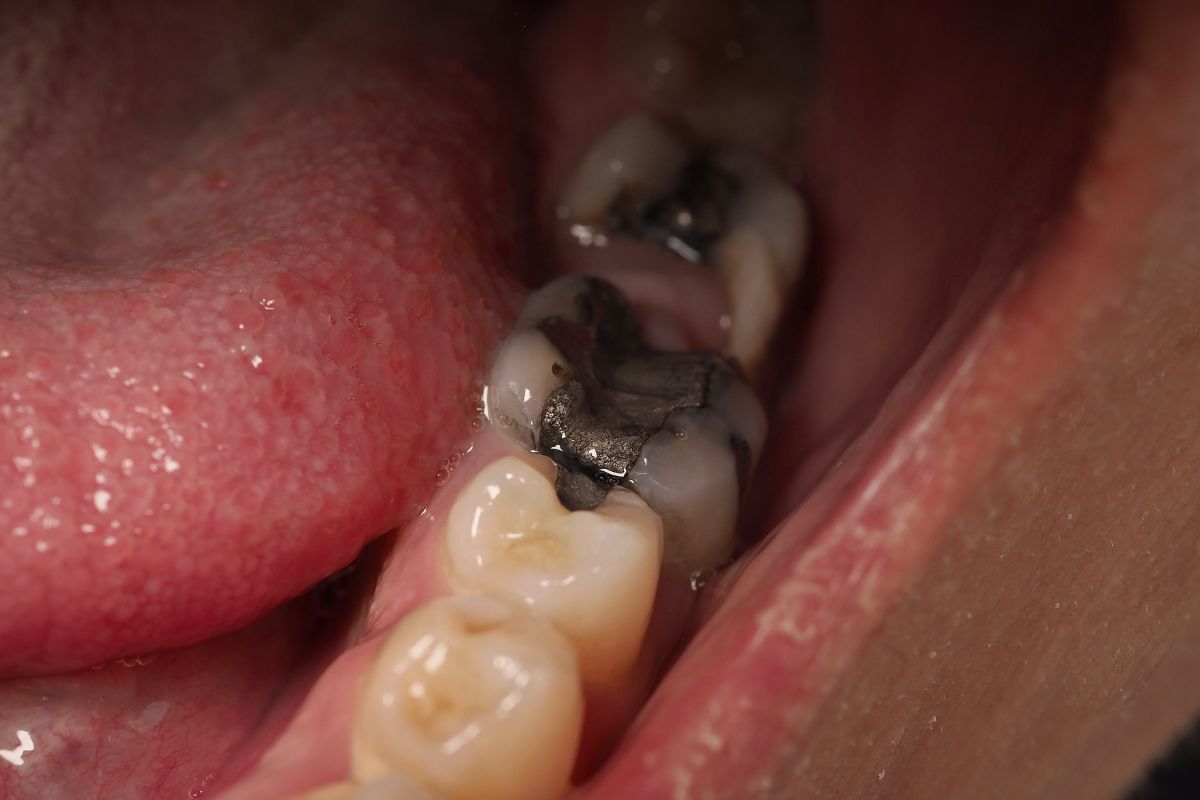



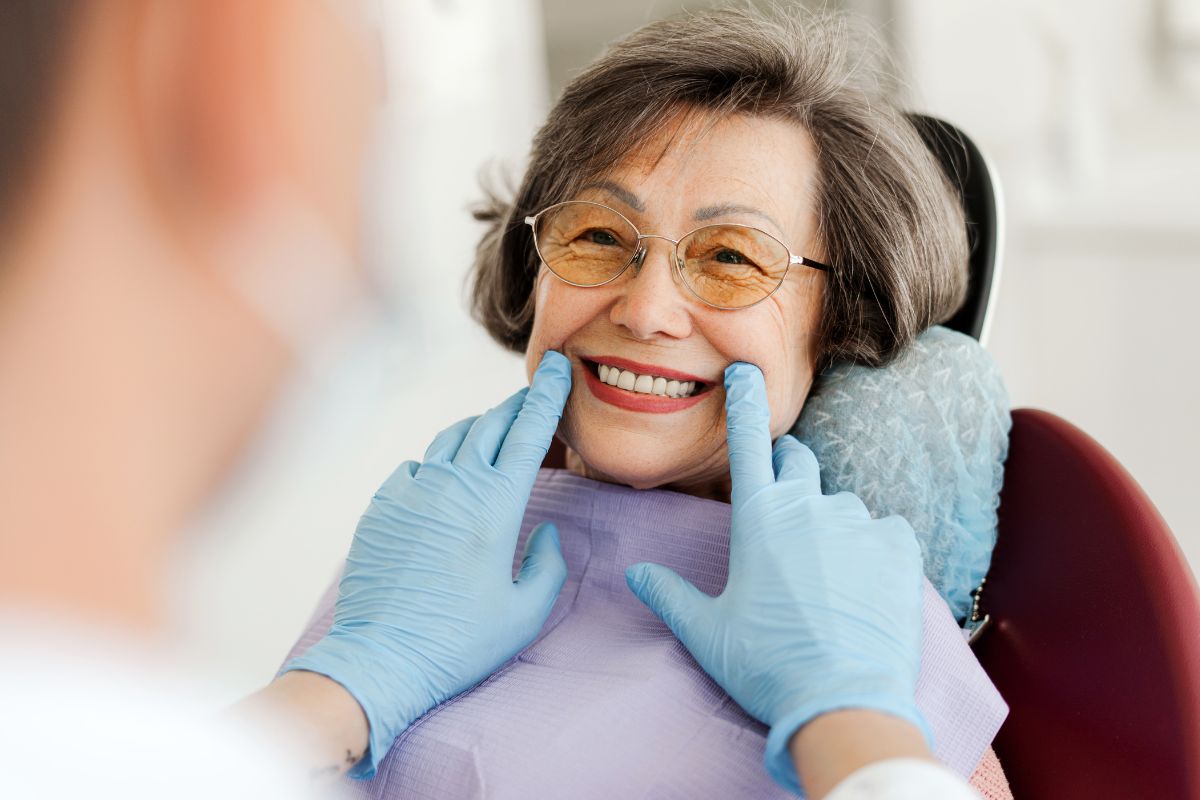
As you get older, caring for your mouth becomes even more important. Your teeth, gums and overall health are closely tied to how well you care for your smile. Many people are surprised to learn that oral issues can grow faster with age, which is why regular visits to a dentist Germantown should be a steady part of your routine. When you understand how aging changes your oral health, you can take simple steps that keep your teeth strong, your gums healthy and your body in better shape.
How Aging Affects Your Oral Health
Aging brings changes to your body, and your mouth is no different. Your teeth may become weaker over time. Your gums may pull back a bit. Saliva flow can drop, especially if you take daily medicines. These shifts make your mouth more open to plaque, cavities and gum infections. Many older adults think these issues are normal, but they are not. They can be managed with the help of a trusted Germantown dentist.
When you understand how these age-related changes work, you can act early. Simple habits like brushing, flossing and dental checkups help prevent bigger issues later on.
Why Gum Health Needs More Care
Gum problems can grow faster with age. Gum disease often starts without pain, so many people do not notice it early. When your gums get inflamed, they can bleed when you brush. They may swell or feel tender. If untreated, gum disease can damage the bone that holds your teeth in place.
Older adults have a higher risk because their immune system weakens with time. Medicines can also dry out your mouth, which raises your risk even more. Regular cleanings at your local dentist Germantown help stop gum disease before it spreads.
Healthy gums are key for strong teeth. They also help you maintain a healthy bite and allow you to eat foods you love without discomfort.
The Link Between Oral Health and General Health
Your mouth is connected to the rest of your body. When you have ongoing gum infections, harmful bacteria can enter your bloodstream. Studies link poor oral health to heart problems, diabetes issues, lung infections and even certain types of inflammation.
These links matter for older adults who may already have health issues. Caring for your mouth makes it easier to manage many other parts of your health. When your smile is healthy, you can eat balanced meals, speak clearly and stay more confident in social settings.
If you notice bleeding gums, pain when chewing or changes in your bite, schedule a visit with a Germantown dentist. Early care supports both oral and overall well-being.
Tooth Loss Is Not a Normal Part of Aging
Many people think losing teeth is a natural part of getting older. This is not true. With good daily care and regular checkups, you can keep your natural teeth for life. Tooth loss is often caused by untreated decay or gum disease, both of which can be prevented.
If you lose a tooth, it can affect how you chew, speak and smile. It can also change your face shape over time. This is why older adults should take tooth pain or sensitivity seriously. Seek help early from your local dentist Germantown so you do not risk long-term issues.
Dry Mouth Can Raise Your Risk for Decay
Dry mouth is one of the most common oral issues among older adults. It is often caused by daily medicines for blood pressure, allergies, pain or anxiety. Without enough saliva, your mouth cannot wash away food particles. This leads to faster plaque buildup and a higher chance of cavities.
Signs of dry mouth include a sticky feeling, trouble chewing dry foods and frequent thirst. Drinking more water, avoiding tobacco and choosing sugar-free gums can help. But if dryness continues, your Germantown dentist can guide you on safe products and treatments.
How Dental Checkups Protect Your Oral Health as You Age
Routine dental visits become more important as you grow older. Checkups help spot early decay, gum issues, mouth sores and other concerns. Cleanings remove plaque and tartar that brushing cannot reach. Your dentist also checks for signs of oral cancer, which becomes more common with age.
If you have not seen a dentist in a while, take a moment to schedule an appointment with a trusted Germantown dentist so you can stay ahead of issues that often grow silent with age.
Checkups also help you adjust your oral habits. You may need a softer toothbrush, a new mouth rinse or a change in brushing technique. These small steps protect your teeth for years to come.
Nutrition and Oral Health as You Age
Eating well is key for your body and your smile. Many older adults avoid certain foods because of tooth pain, loose teeth or gum discomfort. This can lead to poor nutrition. Healthy teeth and gums help you enjoy fruits, vegetables and proteins that support strong bones and better immunity.
Limit sugary snacks, sticky candies and acidic drinks. These foods raise your risk of cavities and enamel wear. Drink plenty of water throughout the day. If chewing is hard, ask your dentist about safe solutions.
Dentures, Bridges and Dental Restorations Need Ongoing Care
If you wear dentures, bridges or crowns, routine care is important. Dentures that do not fit well can lead to sores, infections or trouble chewing. Bridges and crowns can wear down or crack with time. Your dentist checks these during your regular visits to make sure they still work well.
Clean your dentures daily. Remove them at night to allow your gums to rest. Never ignore soreness or rubbing spots. Good care keeps these appliances comfortable and helps you enjoy your meals better.
Mental and Emotional Benefits of a Healthy Smile
Aging brings many changes, but your smile can still stay bright. When your mouth feels healthy, you feel more confident. You smile more, engage with others and enjoy your day without worrying about pain or bad breath. Oral health plays a strong role in your quality of life.
Conclusion
Oral health becomes more important with age. Small issues can grow faster, and your mouth becomes more open to plaque, decay and gum problems. With daily care, smart food choices and routine checkups, you can keep your natural teeth and protect your overall health.
Take action today and schedule a visit with Maryland Family and General Dentistry to keep your smile strong, bright and healthy at every age.
FAQs
1. Why is oral health important for older adults?
Aging increases the risk of gum disease, cavities and dry mouth, so daily care and regular checkups help prevent serious issues.
2. How often should seniors see a dentist?
Most older adults need checkups every six months, though some may need visits more often based on their oral health.
3. Can older adults still keep all their natural teeth?
Yes. With good brushing, flossing and routine dental care, you can keep your natural teeth for life.
4. Why is dry mouth common with age?
Many daily medicines reduce saliva flow, leading to dry mouth, which raises the risk of decay and gum issues.
5. What foods help improve oral health in seniors?
Fresh fruits, vegetables, dairy, proteins and plenty of water help support strong teeth and gums.
6. Does oral health affect overall health?
Yes. Poor oral health is linked to heart problems, diabetes issues and higher risk of infections.
7. Are dentures safe for long-term use?
Yes, as long as they are cleaned daily and checked regularly to make sure they fit well.